
The Strategic Soul of Aichi
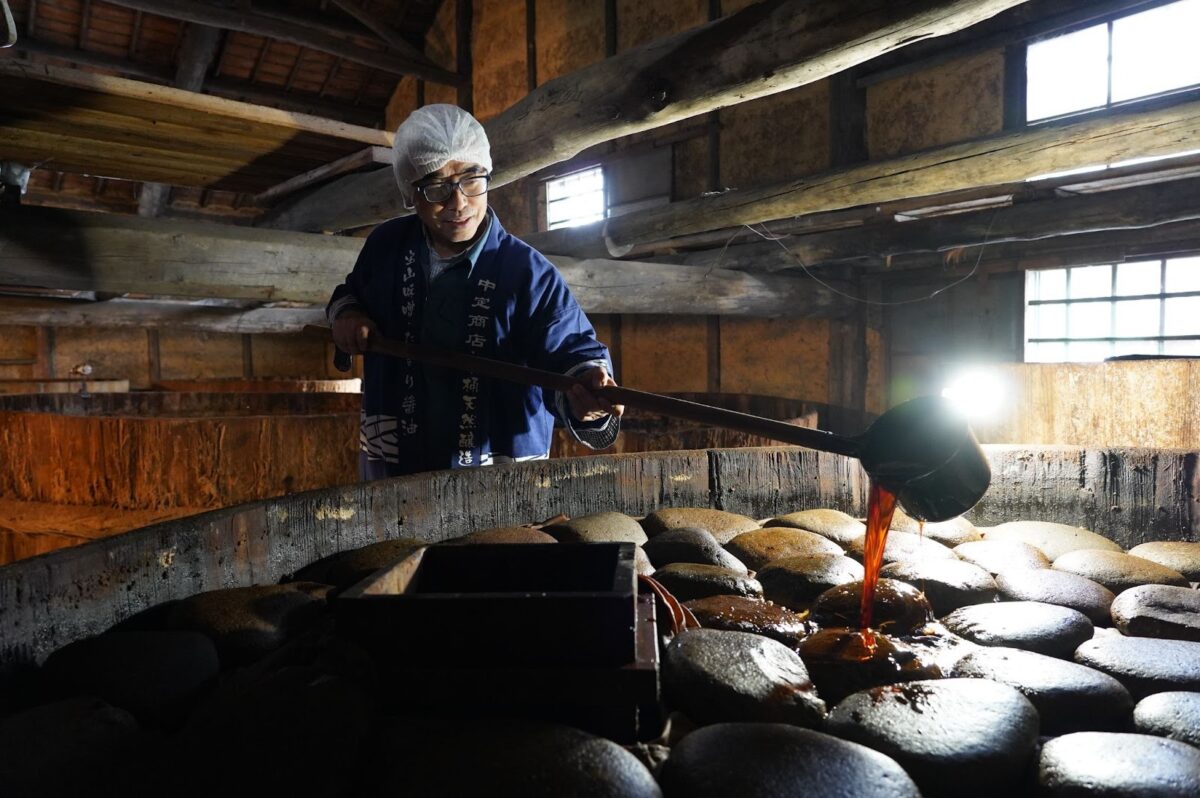
Aichi’s soul will not be discovered a lot in grand sights, however extra within the deep, resonant umami of its fermented meals: a taste cast by the samurai class. In the course of the intense Sengoku and Edo intervals, fermentation was extra than simply taste; it was a strategic necessity, a “energy bar” for warriors on lengthy campaigns. This navy want instantly birthed the “crimson meals tradition” that Aichi is widely known for in the present day.
The values of self-sufficiency and frugality had been centered across the samurai class, shared all through Edo society, and this social background fostered a producing tradition that prevented losing uncooked supplies or by-products.
One instance of that is the approach used to rework sake lees, a former by-product, into high-quality vinegar. One of these interdependent manufacturing might be thought of an emblem of the concepts of rationality and coexistence that had been deeply rooted in society on the time.
Japan’s “Fermentation Powerhouse”: an ideal steadiness of technique and surroundings
- Strategic Logistics: The shut commerce relationship with the Tokugawa shogunate in Edo was important. Environment friendly coastal delivery, aided by favorable seasonal winds, assured a dependable provide of miso, soy sauce, vinegar, and sake as important provisions and tribute. This cemented the area’s prosperity and affect.
- Excellent Local weather: Heat, humid climate and pure water from the Kiso, Ibi, and Nagara rivers created the right surroundings for koji, a particular sort of mildew which is the spine of fermentation, to thrive.
- The Three Pillars: This synergy perfected the Aichi staples: Mame Miso (crimson soybean miso), Tamari Shoyu (soy sauce), and Mikawa Mirin.
At present, this storied previous is savored in each chew of “Nagoya-meshi,” and in lots of dishes beloved throughout Japan. Dishes like miso-katsu, hitsumabushi, and miso-nikomi udon usually are not simply native fare; they’re daring, layered expressions of a tradition formed by centuries of fermentation and samurai self-discipline. Even globally well-known meals like sushi hint their roots again to the preservation and flavoring methods perfected on this samurai-influenced period. Within the case of sushi, whereas it has an especially lengthy historical past going again many centuries, the “edomae” fashion that many get pleasure from in the present day was closely influenced by aichi’s fermentation trade. Aichi’s attraction reveals itself by means of this heritage of taste, celebrating innovation, resourcefulness, and aware heritage.
A Timeline of Aichi Fermentation
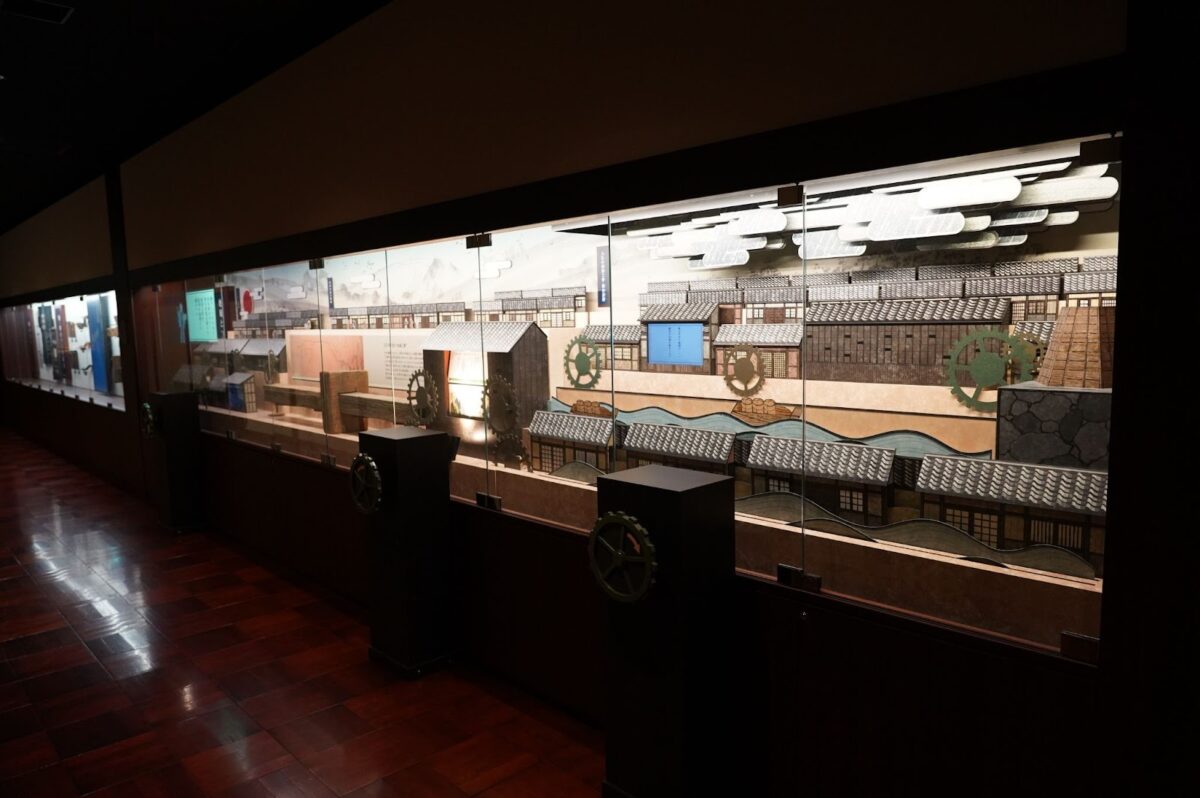
Uncover how the fermentation trade developed within the scope of the tradition and economic system of the instances, and the way some producers nonetheless exist and thrive in the present day.
Sengoku Interval (1467–1615)
The Sengoku Interval, typically referred to as the “Warring States Interval,” was an period of intense civil conflict and social upheaval in Japan. Centralized authority collapsed, leaving highly effective regional navy governors (daimyō) to always combat one another for management, resulting in a interval the place navy necessity, together with environment friendly meals preservation, grew to become paramount. This tumultuous time ended with the reunification of Japan by key figures like Oda Nobunaga, Toyotomi Hideyoshi, and Ieyasu Tokugawa setting the stage for the Tokugawa Shogunate.
Nobunaga Oda (1534–1582)
A robust Japanese daimyō identified for initiating the unification of Japan through the late sixteenth century.
Hideyoshi Toyotomi (1537–1598)
A samurai who rose from peasant origins to grow to be some of the vital figures in Japanese historical past, succeeding Oda Nobunaga and finishing the unification of Japan.
Tokugawa Ieyasu (1543–1616)
A robust daimyō and strategic chief who emerged victorious after Toyotomi Hideyoshi’s loss of life, establishing the Tokugawa Shogunate and ushering in additional than 250 years of political stability in Japan.
From Samurai Rations to “Nagoya-meshi”
The Energy of Fermentation: The distinctive, long-fermented Mame Miso generally known as “Hatcho Miso” was greater than only a seasoning; it was a foundational factor of strategic success and longevity in Japan.
A Energy Bar for Leaders and Troopers
Longevity by means of Food regimen: Shogun Tokugawa Ieyasu, who lived to the outstanding age of 75 (in comparison with a median life expectancy of 40 or much less on the time), attributed his well being and “supply of victory” to a frugal weight-reduction plan centered on brown rice and Hatcho Miso. He continued to have his most well-liked miso shipped to him even after relocating to Edo.
Strategic Navy Ration (Hyo-ryo): In the course of the Sengoku interval, Miso was the best navy meals. Its composition (made primarily from soybeans and salt) ensured sturdiness and resistance to excessive temperatures, making it secure for lengthy campaigns. Troopers carried miso-dama (miso balls), a conveyable, high-protein, and salt-rich ration that might be immediately dissolved in scorching water for soup; one thing that is perhaps seen as a predecessor to trendy prompt meals.
Conventional Origin and Manufacturing
The Identify: “Hatcho” derives from the situation the place it originated: Hatcho village (now Okazaki Metropolis, Aichi), located precisely eight (pronounced “ha” on this case) cho (about 870 meters) west of Okazaki Fort, Ieyasu’s birthplace.
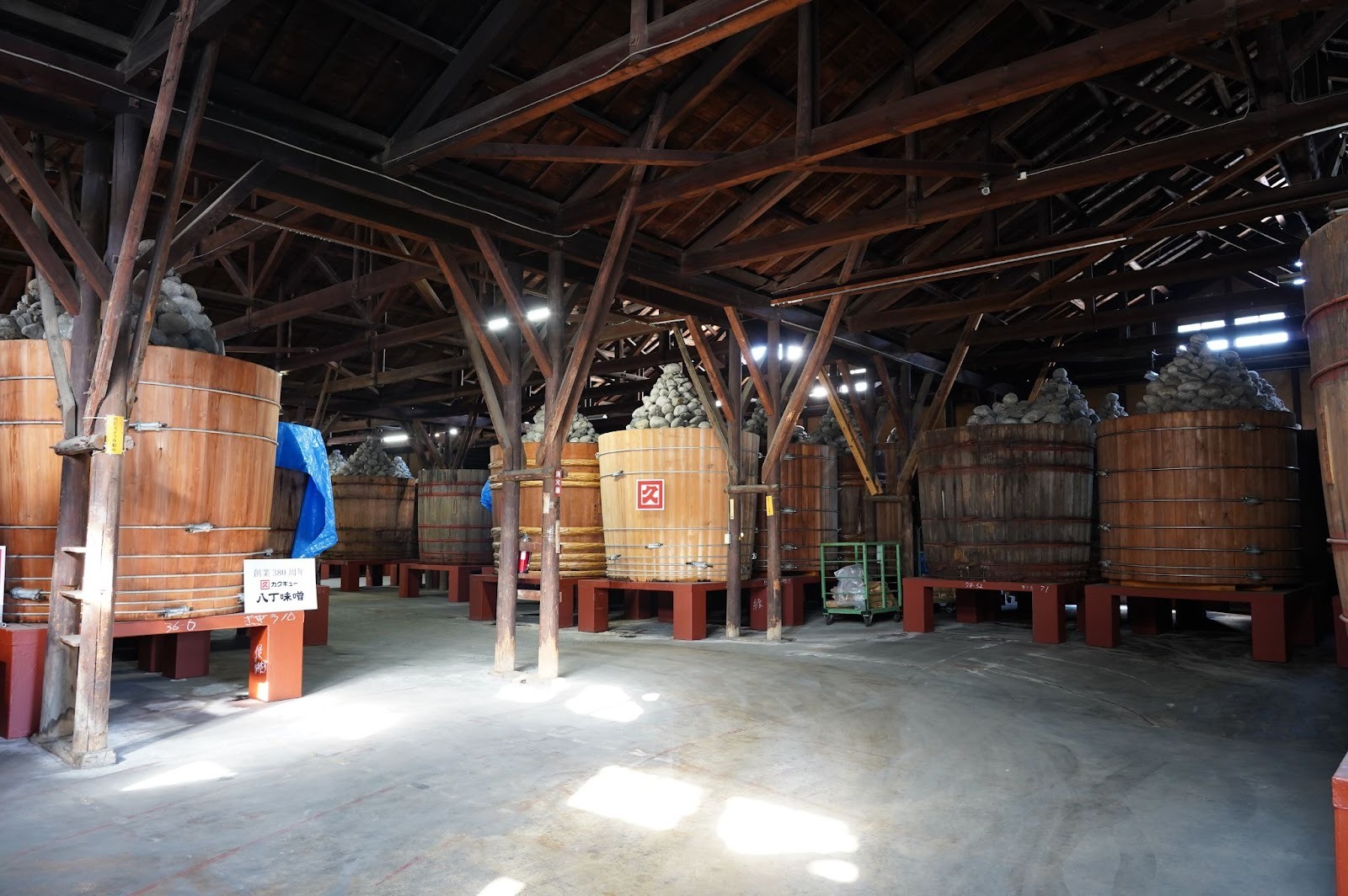
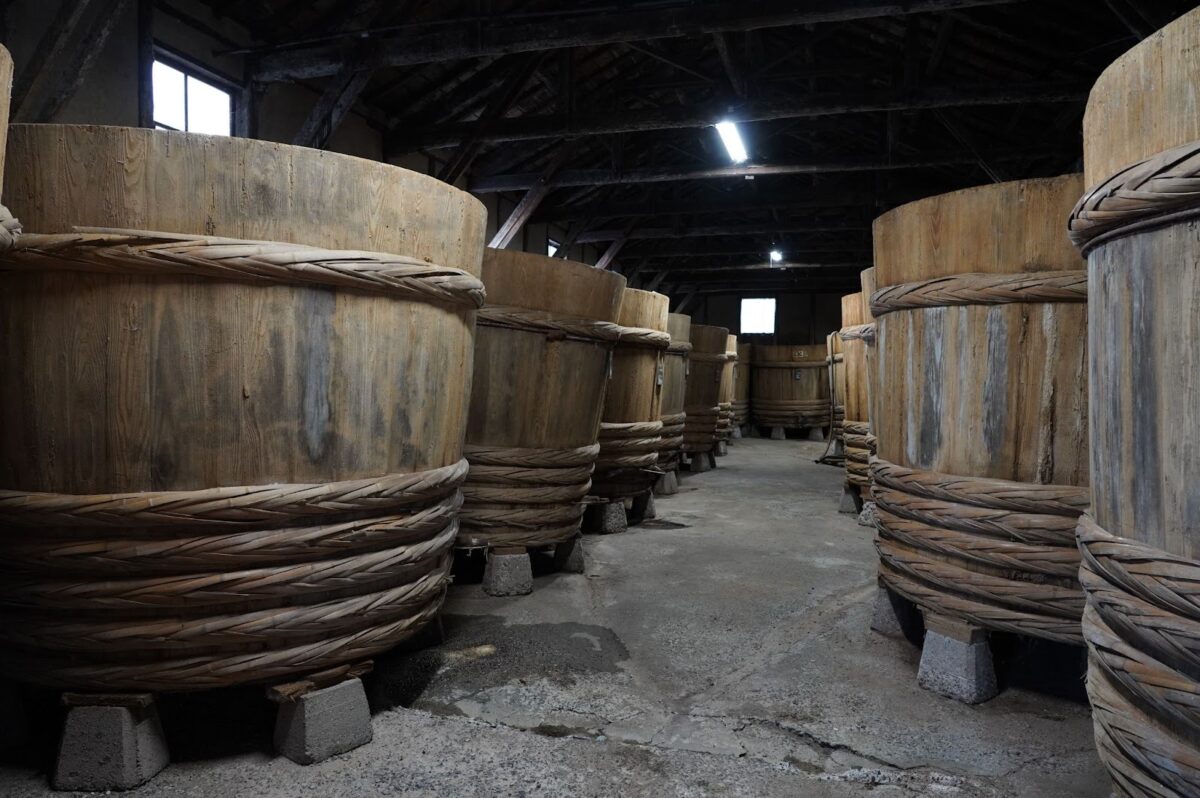
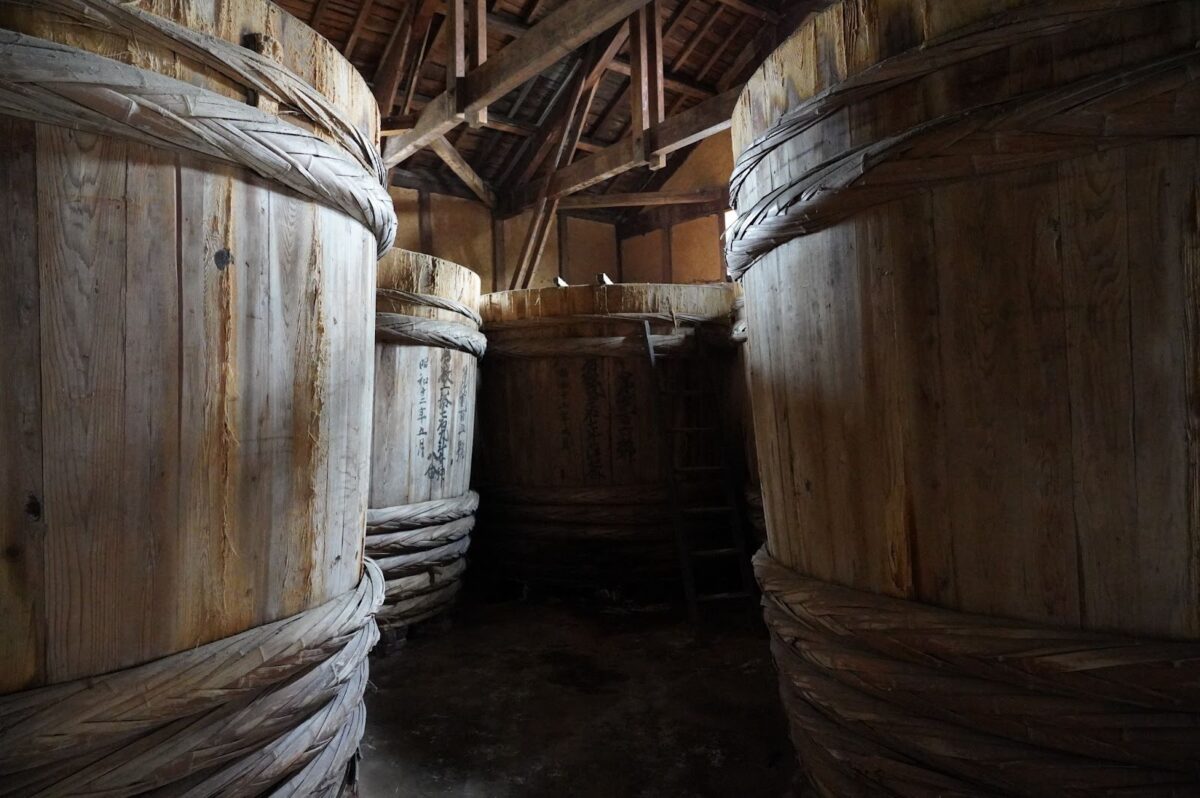
Distinctive Technique: This Mame Miso makes use of solely soybeans and salt (no rice or barley). It’s aged for about over 2 years in huge cedar vats, with its floor meticulously weighed down by hand-stacked river stones to make sure air exclusion and a dense, concentrated consequence.
Fashionable Legacy and World Recognition
Hatcho Miso stays a strong image of Aichi Prefecture’s “crimson meals tradition.” Its distinctive stability and dietary worth have led to its use as a staple in varied methods. At present, this high-nutrition pure meals is gaining worldwide consideration throughout Europe and America, testifying to its enduring relevance.
Finally, the depth and dietary basis supplied by this distinctive fermented meals formed not solely Aichi’s native delicacies (like Miso-katsu and Miso-nikomi Udon) but in addition had a delicate but profound affect on Japan’s historical past.
Edo Interval (1603–1868)
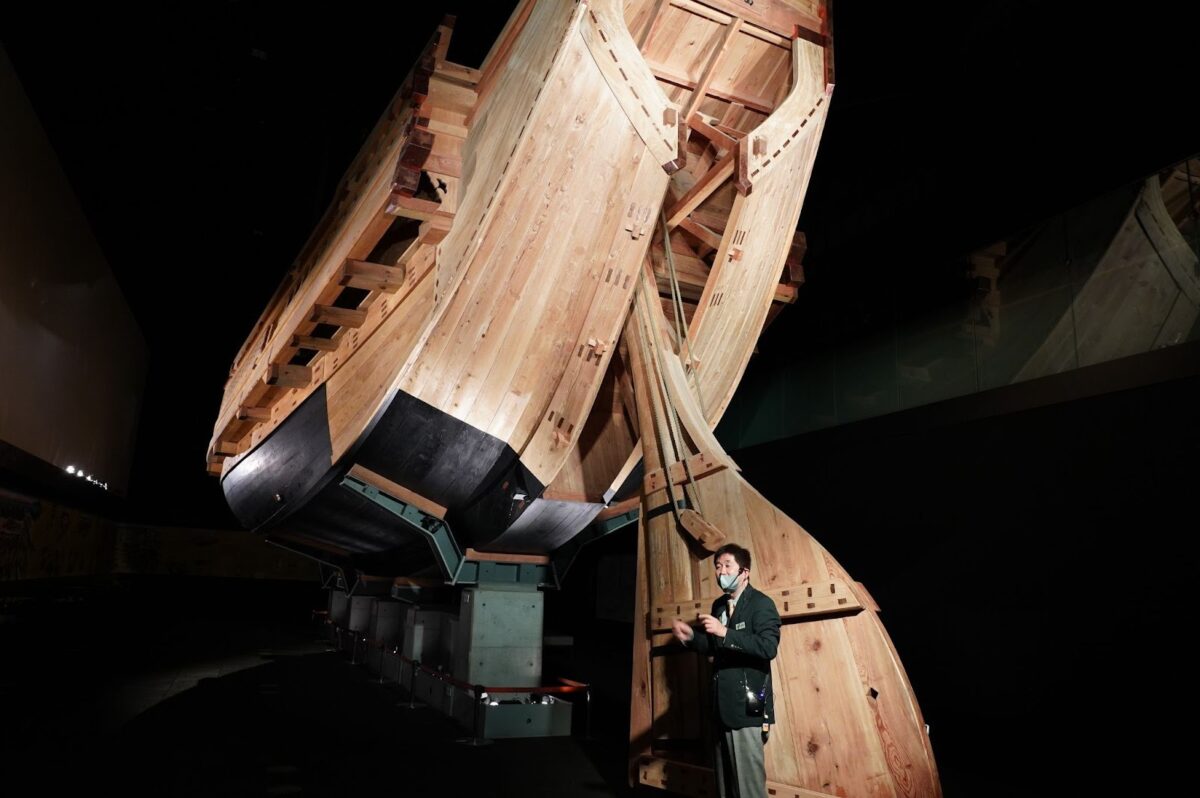
Because the nation moved from conflict to long-term stability below the Tokugawa Shogunate, Aichi’s fermented meals transitioned from navy rations to pillars of a flourishing service provider tradition.
This era marked an period of strict isolation and unprecedented home peace following the unification of Japan by the Tokugawa Shogunate. This lengthy interval of stability allowed for the flourishing of a inflexible social construction, a vibrant city service provider tradition, and the event of refined arts and delicacies in Japan’s main cities This accelerated the shift of fermented meals from primarily navy provisions to broadly traded business commodities.
Tokugawa Ieyasu: The Architect of Fermentation Tradition
When speaking about fermentation and the edo interval, it’s crucial to learn about Ieyasu Tokugawa, born in Mikawa, who embodied the area’s relationship with meals. Ieyasu lived to 75 years outdated, almost double the standard life expectancy of 30–40 which was largely credited to his disciplined weight-reduction plan of straightforward, fermented meals. His thrifty and environment friendly nature influenced a manufacturing fashion that targeted on concentrated, dependable flavors.
Edo-era producers you possibly can go to in the present day
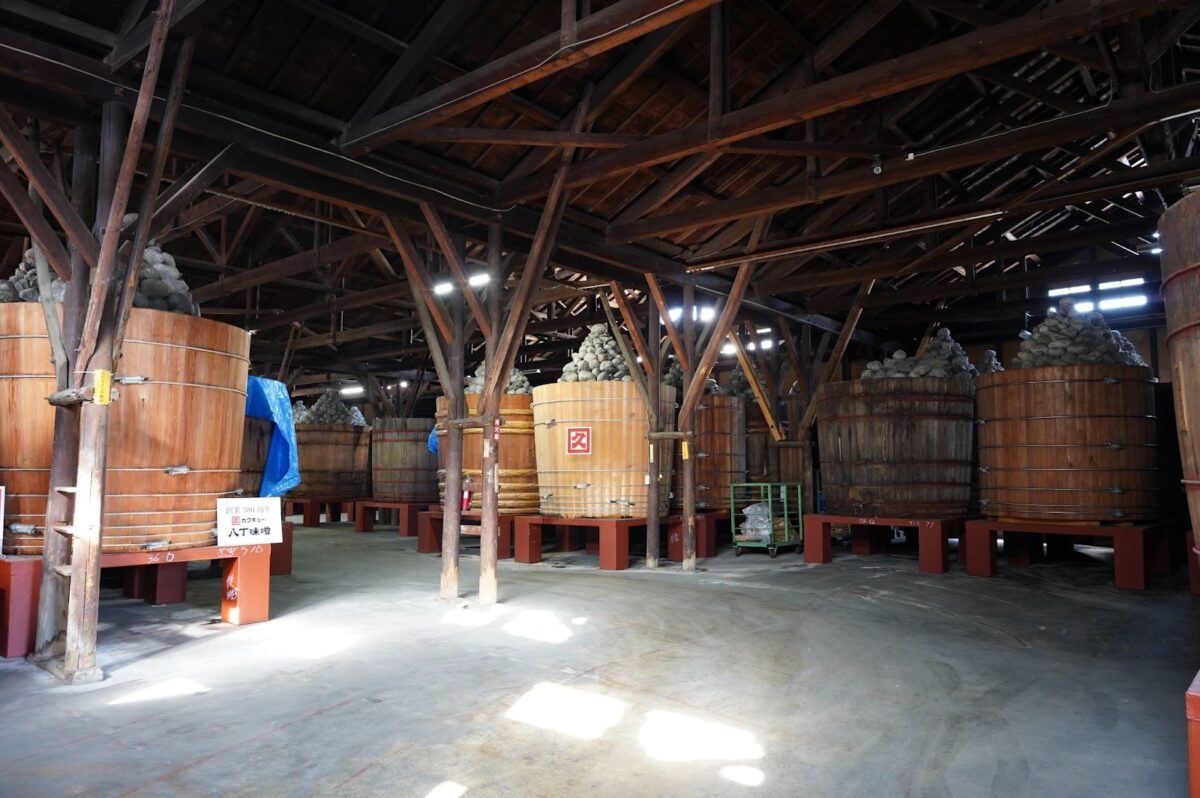
Kakukyu Hatcho Miso Conventional Brewery (1645)
Positioned precisely eight cho (870m) from Okazaki Fort, this proximity to the middle of Tokugawa energy established its credentials early. Kakukyu is the standard-bearer for Hatcho Miso, a darker, richer number of soybean paste that’s aged for no less than two summers.
Web site
Tackle: 69 Hatcho-cho, Okazaki Metropolis, Aichi Prefecture
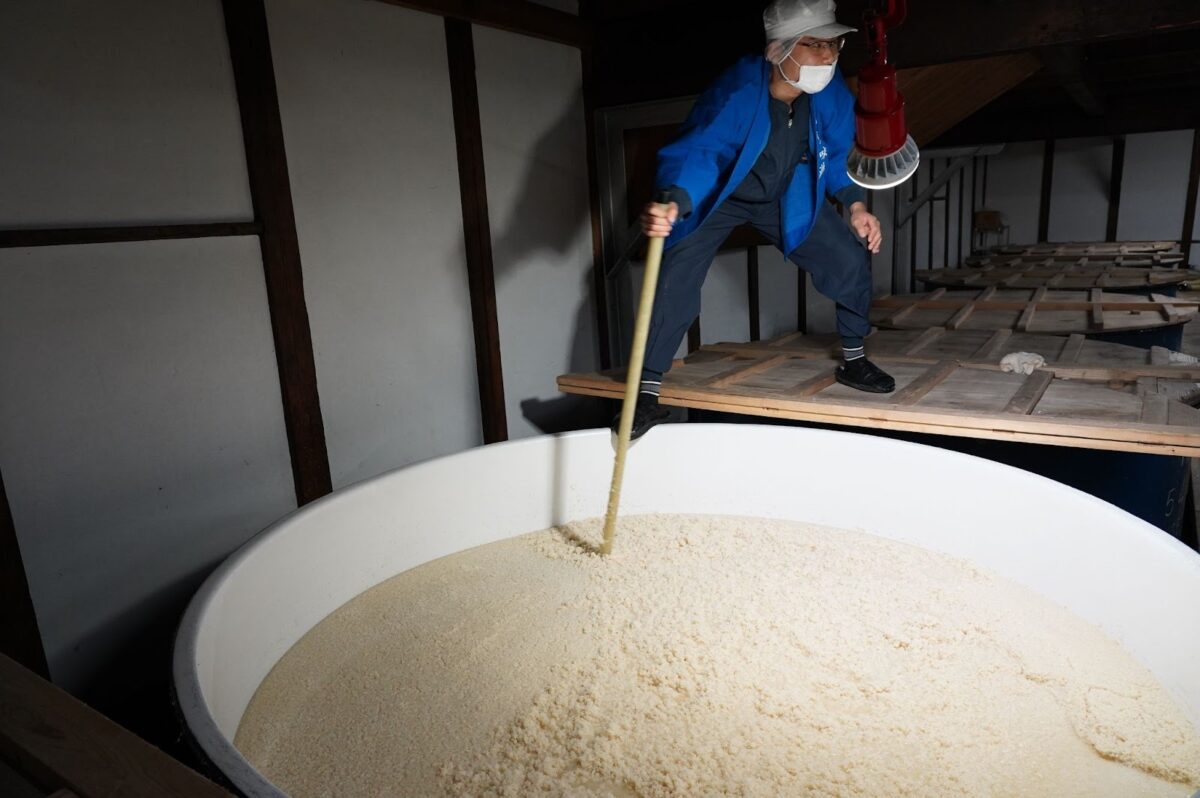
Kokonoe Mirin (1772)
As considered one of Japan’s oldest Mirin brewery, Kokonoe has centuries of expertise perfecting the artwork of candy rice wine. Initially an costly beverage in style among the many warrior class, Kokonoe’s manufacturing strategies reworked Mirin into a flexible and important culinary staple.
Web site
Tackle:〒447-0845 Aichi, Hekinan, Hamaderamachi 2-11
Yamashin (1802)
Yamashin is a specialised refiner of Shiro Shoyu (white soy sauce), which makes use of the next proportion of wheat (90%; usually 50%) than soybeans, leading to a lighter coloration and sweeter profile, a hanging distinction to straightforward koikuchi (darkish soy sauce), which generally makes use of roughly equal elements soybeans and wheat. This delicate, amber-colored luxurious was extremely wanted by the Edo higher class.
Web site
Tackle: 3-36 Nishiyama-cho, Hekinan Metropolis, Aichi Prefecture
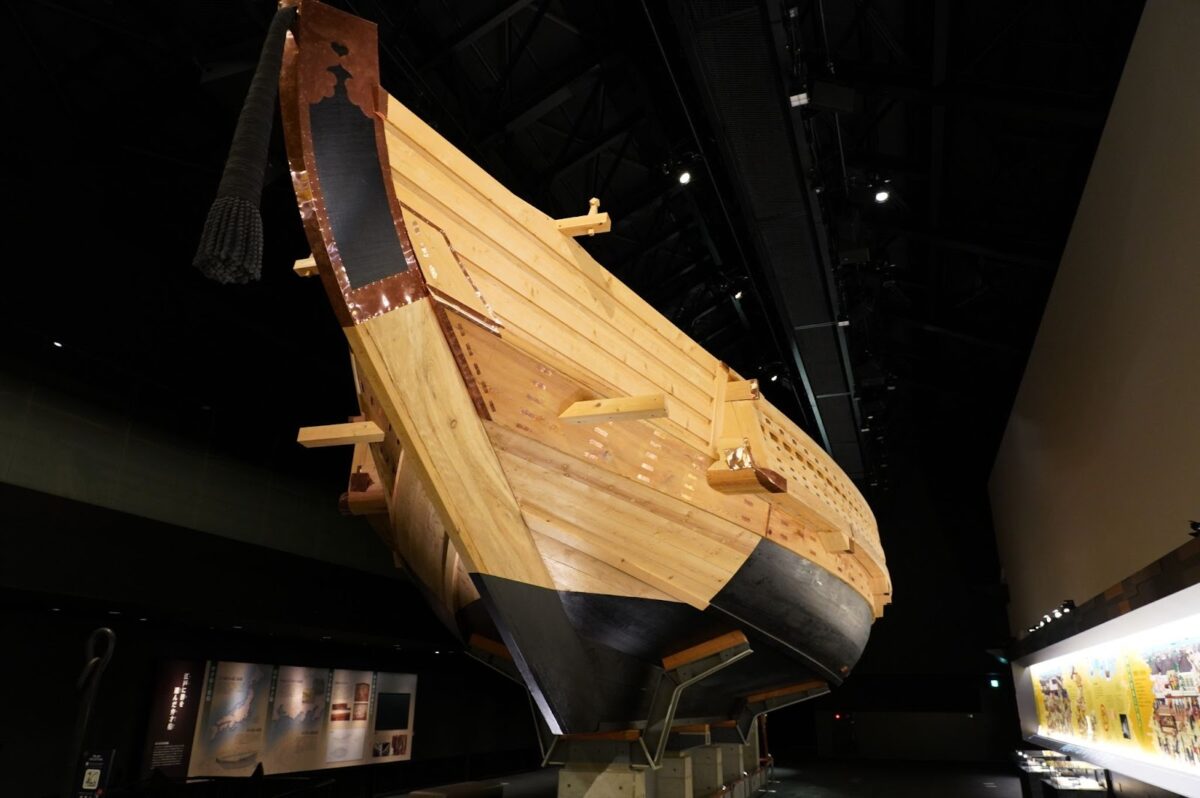
MIZKAN MUSEUM (1804)
Mizkan pioneered the approach of making vinegar from the lees (sediment) left over from sake manufacturing, an environment friendly and flavorful methodology. This high-quality vinegar created from sake lees was a key ingredient that fueled the Edomae Sushi increase within the Shogun’s capital, offering the right steadiness for preserved fish.
Web site
Tackle: 2-6 Nakamura-cho, Handa, Aichi Prefecture
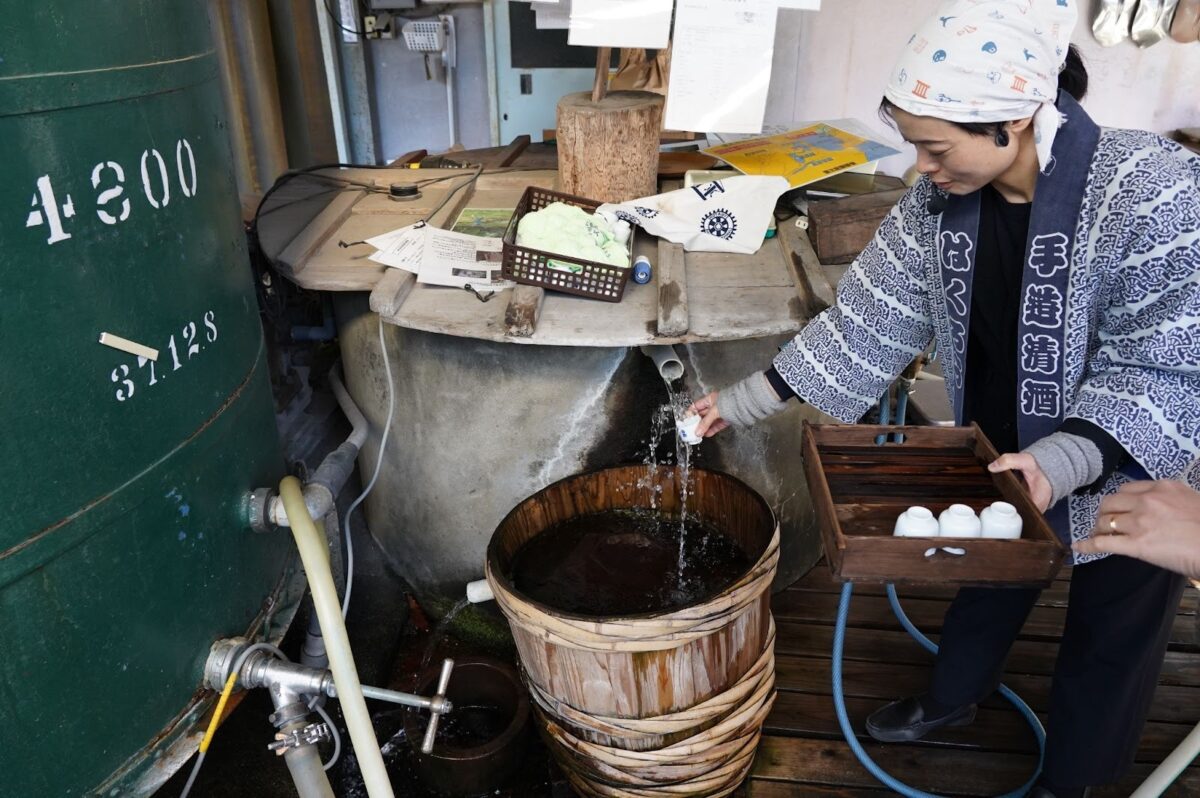
Sawada Shuzo (1848)
Based on the Chita Peninsula, Sawada Shuzo sources “mushy” water from a spring almost two kilometers away by way of a non-public pipeline. Its buildings had been designed to reap the benefits of native wind patterns, and through the Meiji interval the brewery additionally served as a web site for yeast experimentation and improvement. These traditions produced clear, constant sake valued in Edo.
Web site
Tackle: 4-10 Koba-cho, Tokoname Metropolis, Aichi Prefecture
The Service provider Increase
Environment friendly maritime delivery routes, aided by favorable seasonal winds, allowed Aichi to ship huge portions of miso, soy sauce, vinegar, and sake as provide to Edo, linking the regional economic system to the political coronary heart of Japan. This business success fostered the rise of specialised producers (comparable to those talked about above) who developed the methods and requirements that may outline Aichi’s fame for fermented items.
Meiji Interval (1868–1912)
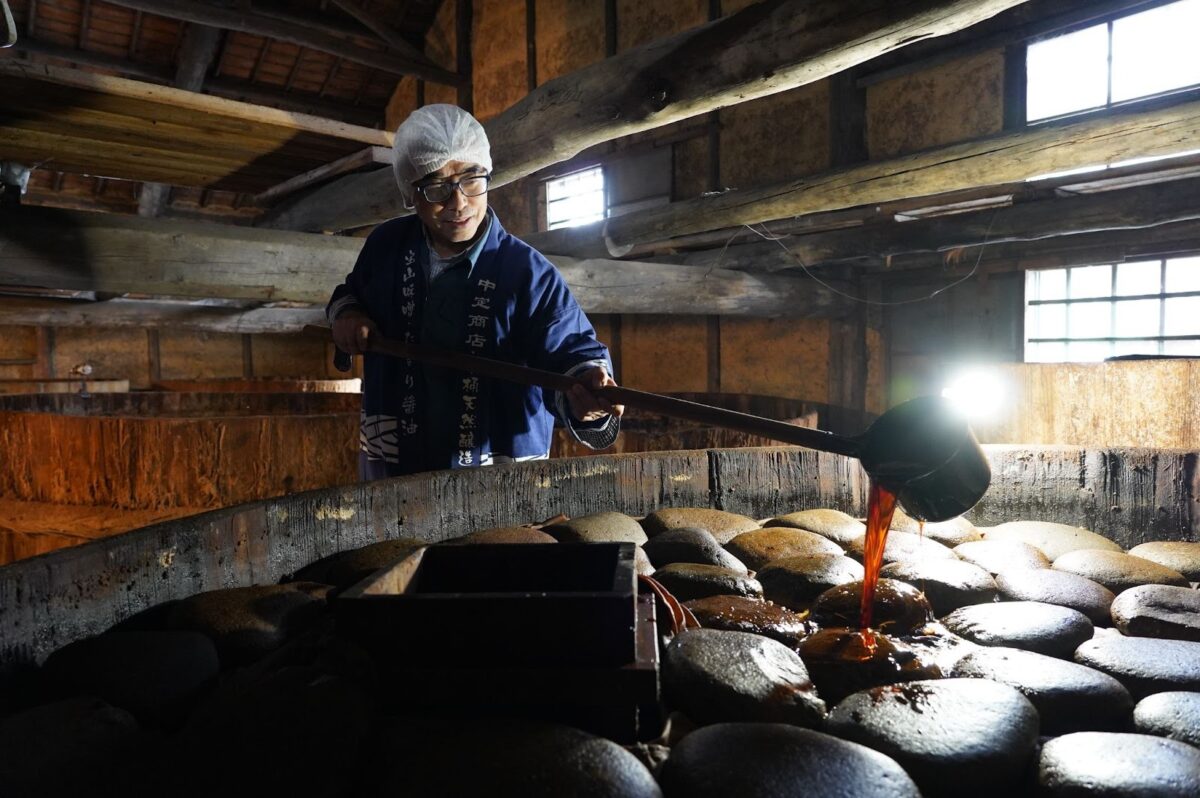
The Meiji Restoration transitioned Japan from feudal rule to a contemporary, centralized state characterised by fast Westernization and industrialization. For the fermentation trade, this era was essential, demanding that producers modernize manufacturing and enterprise buildings whereas fiercely preserving the normal strategies and microbial property important for high-quality miso and soy sauce.
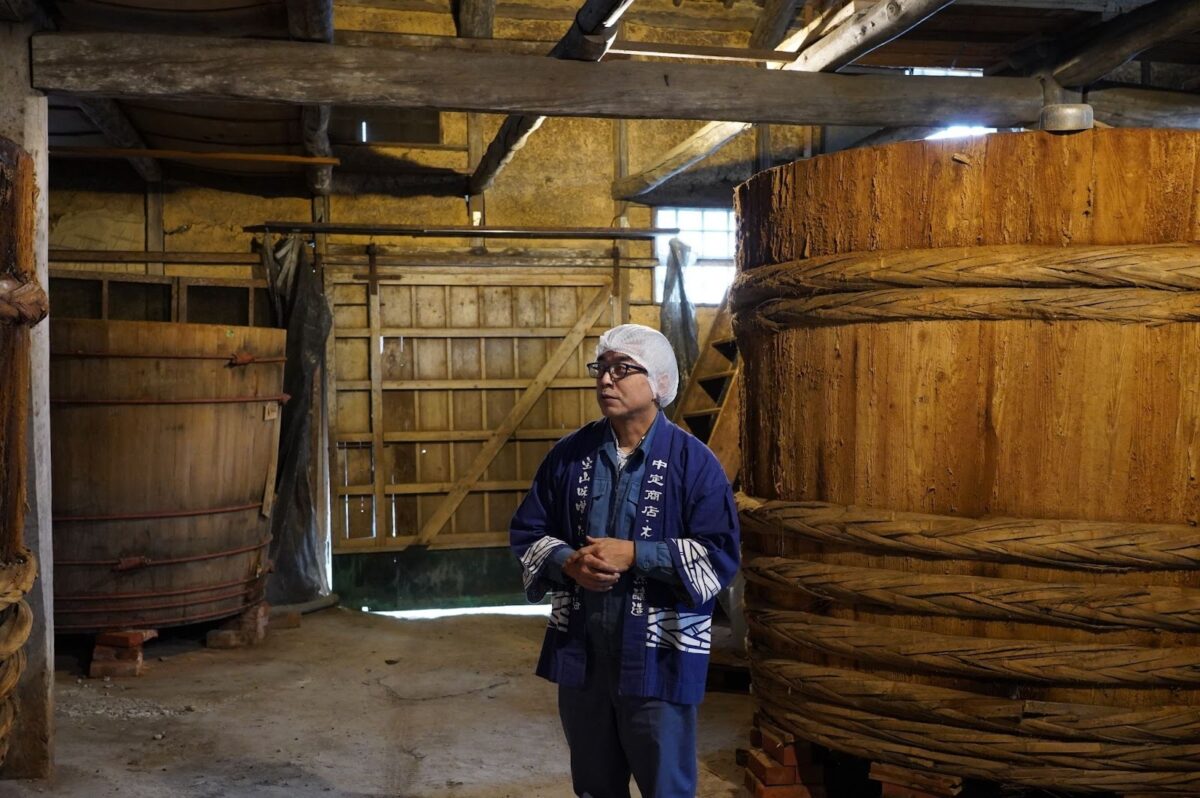
Nakasada Shoten (1879)
Based throughout a pivotal interval of Japan’s modernization, Since its founding, Nakasada Shoten has constructed a historical past by preserving the nation’s conventional fermentation methods and using them within the manufacturing of miso and soy sauce. Nakasada Shoten reuses picket vats initially from historical sake breweries, preserving the ancestral microbes that give their merchandise a “shogunate-era” depth.
Web site
Tackle: 51 Komukae, Taketoyo Metropolis, Chita-gun, Aichi Prefecture
Taisho & Showa Intervals (1912–1989)
A interval of business refinement the place conventional seasonings solidified because the core of Aichi’s regional id, driving the early improvement and specialization of the native fermentation trade.
Heisei & Reiwa Intervals (1989–current)
These eras signify the profitable transition of Aichi’s fermentation heritage from regional craft to a supply of nationwide and worldwide culinary id, specializing in preservation, gourmand refinement, and the aware sourcing of native components.
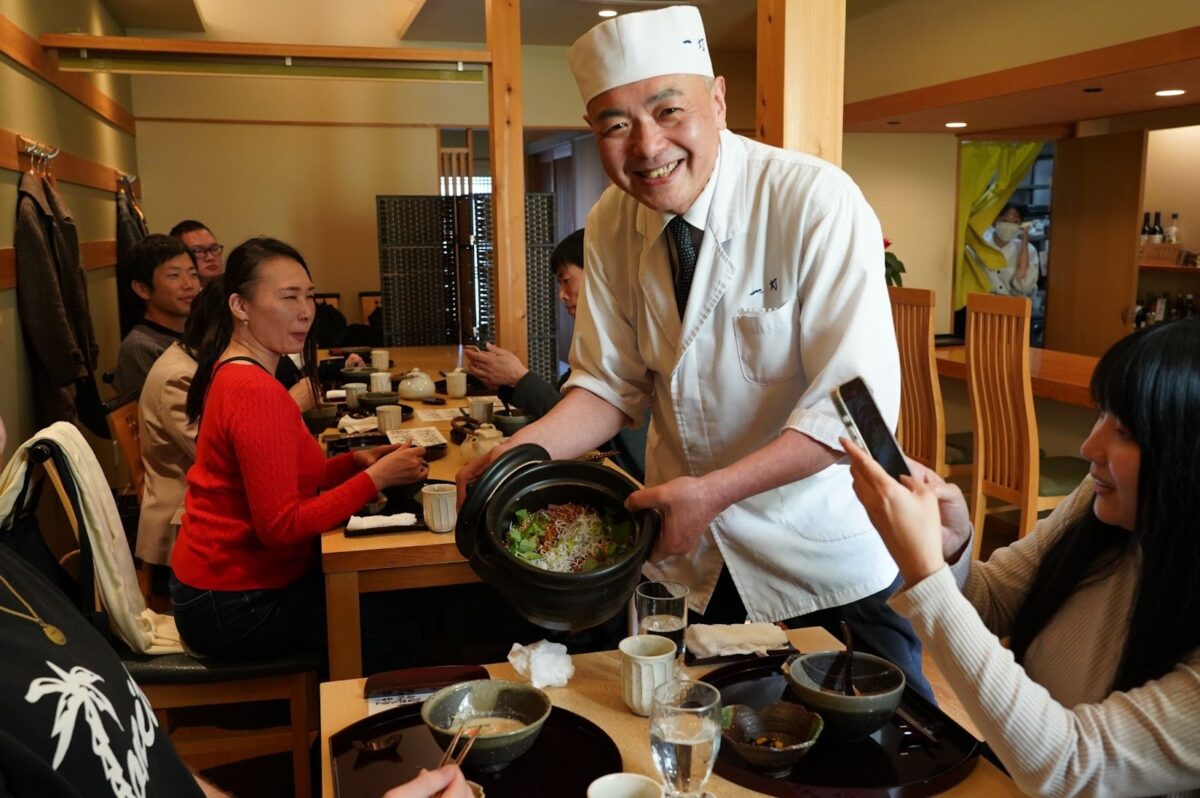
Kobanten Hanare Ittou (2015)
This contemporary institution, situated in Hekinan, is devoted to preserving the regional culinary id of the Mikawa lands. It achieves this by consciously sourcing its components and produce from a community of trusted native producers within the space.
Web site
Tackle: 1-16 Sakuzukamachi, Hekinan Metropolis, Aichi prefecture
The place to Expertise Samurai Fermentation At present
For these wishing to style historical past, these services stay “fortresses of custom” the place the odor of candy mirin and earthy miso creates a direct emotional understanding of the previous.
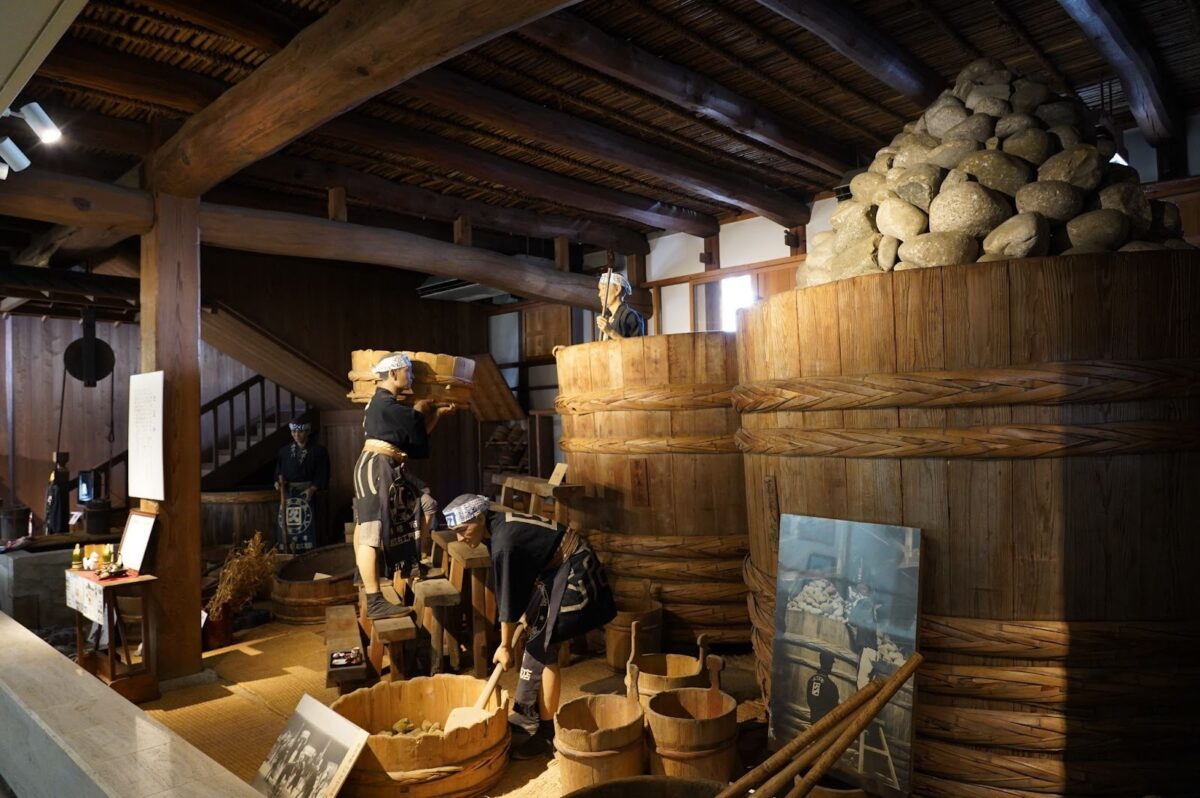
Kakukyu: Hatcho Miso
Based in 1645, Kakukyu is the definitive standard-bearer for Hatcho Miso. Its origin story is actually rooted within the area, having been based precisely eight cho (about 870 meters) from Tokugawa Ieyasu’s birthplace, Okazaki Fort. This miso was a significant, long-lasting ration for the samurai. The power itself is a residing museum, famously sustaining a “steady-as-a-rock” philosophy through the use of huge picket vats weighed down by hand-stacked river stones; a method unchanged because the Edo interval.
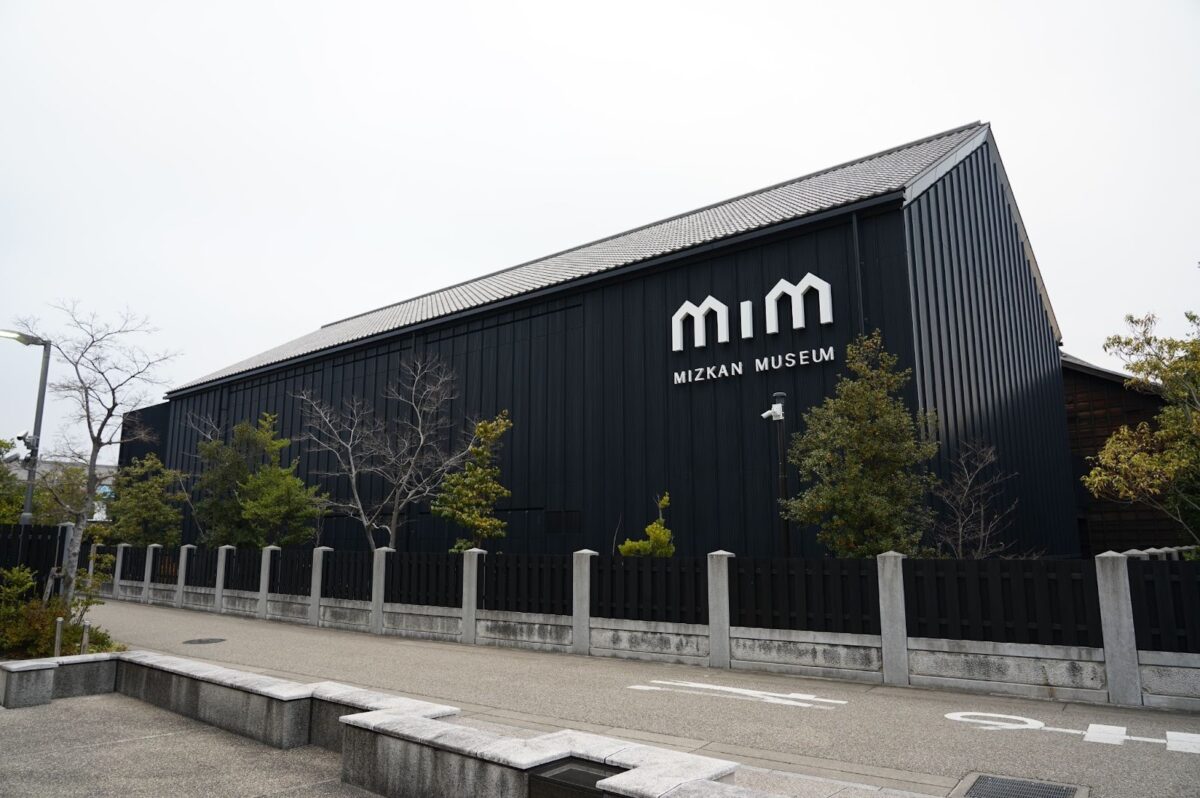
Mizkan: Vinegar
Mizkan, based in 1804, constructed its legacy on reworking sake lees (brewery waste) into high-quality vinegar. This pragmatic innovation fueled the Edomae Sushi increase. The method required an enormous maritime commerce community to ship the product from Aichi to Edo. The Vinegar Museum reveals how this “easy” byproduct was truly a feat of huge engineering that revolutionized the worldwide palate.
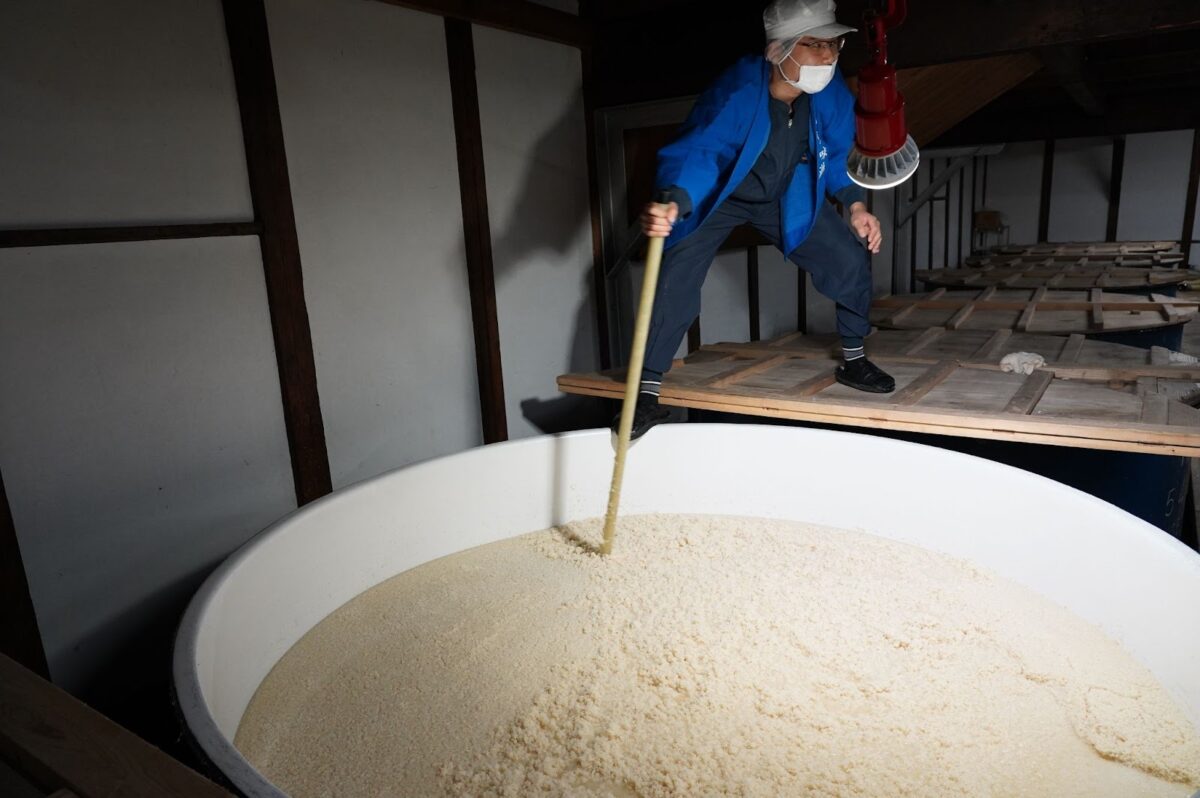
Kokonoe: Mirin
As considered one of Japan’s oldest Mirin brewery, based in 1772, Kokonoe’s product was as soon as a uncommon, costly beverage for the the Aristocracy however is now a culinary staple. The brewery is housed in a 1706-built warehouse, which was truly moved from its unique location to the place it’s now in 1787, the place ancestral microbes give the Mirin its distinctive “shogunate-era” depth. The sensory expertise of the steaming rice and historical past stays with each customer.
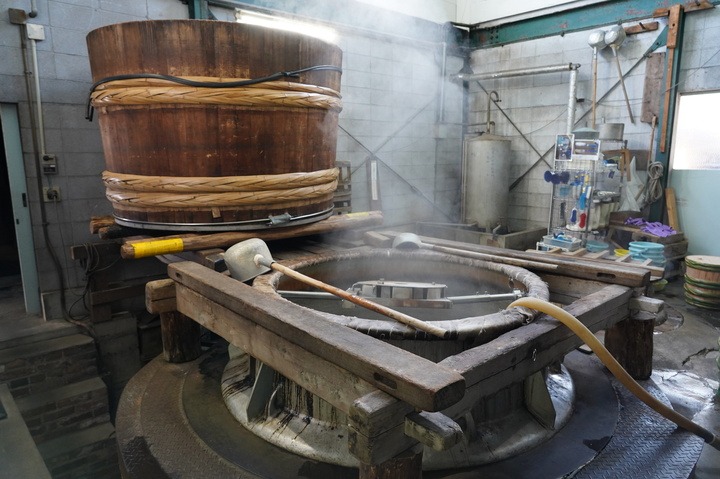
Sawada Shuzo: Sake
Based in 1848, Sawada Shuzo represents the head of Chita Peninsula sake brewing. The brewery operates with a disciplined reverence, using historic instruments and buildings for contemporary manufacturing. It’s led by the eloquent Sixth-generation head, Kaoru Sawada, fastidiously passes on the normal sake brewing methods and fervour of their predecessors.
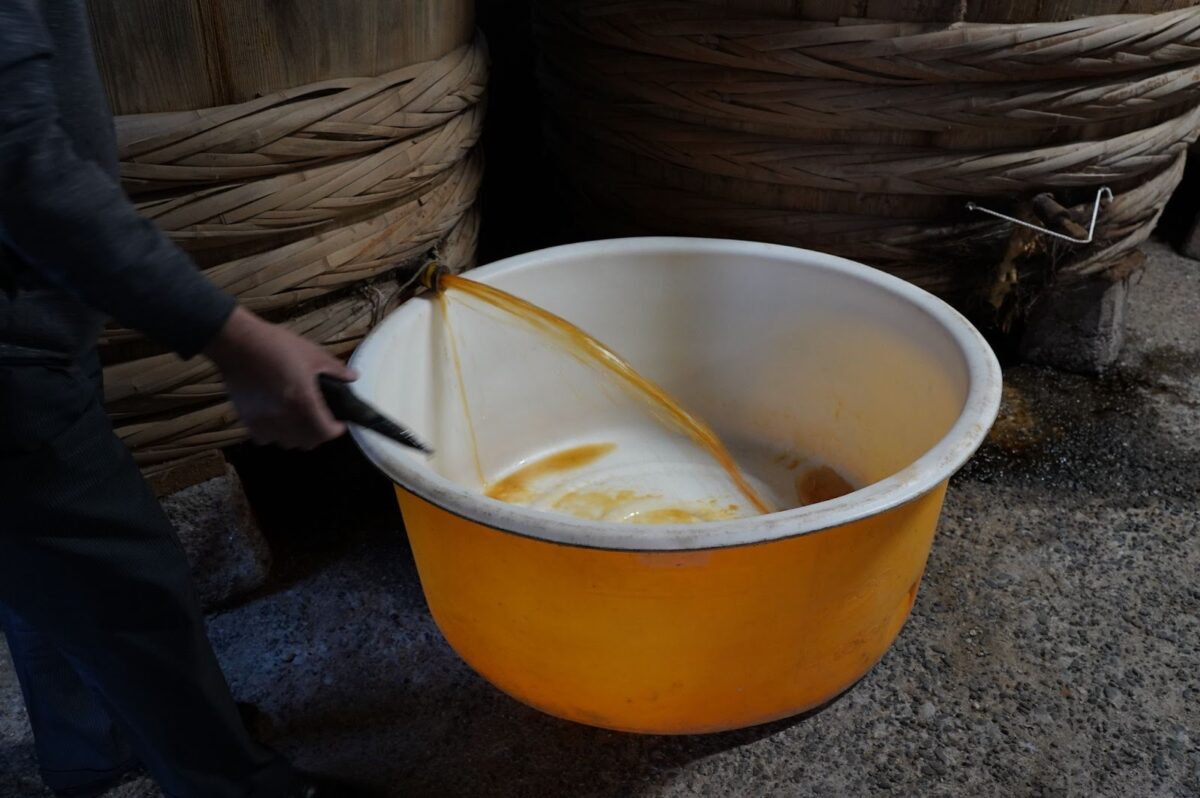
Yamashin: White Soy Sauce
Yamashin, based in 1802, grew to become a number one producer of Shiro Shoyu (White Soy Sauce). This refined condiment suited the aesthetic tastes of the Edo-period’s higher courses by permitting the pure colours of components to shine; additionally a purpose for its worldwide reputation amongst cooks in the present day. Now, energetic chief Mr. Okajima has turned this conventional regional “secret weapon” right into a staple for world cooks in locations like Paris and Milan.
Nakasada Shoten: Miso and Tamari Soy Sauce
The Nakasada firm, established in 1879, carries ahead the self-discipline of the early Meiji transition, sustaining its lineage by means of mukoyoshi (son-in-law adoption). Residence to the Brewing Custom Museum, the ability preserves the “purity” demanded by conventional brewers. The present head, Mr. Nakagawa, blends scientific precision with an ideal, delicate humorousness and charisma.
Kobanten Hanare Ittou: Genuine Restaurant
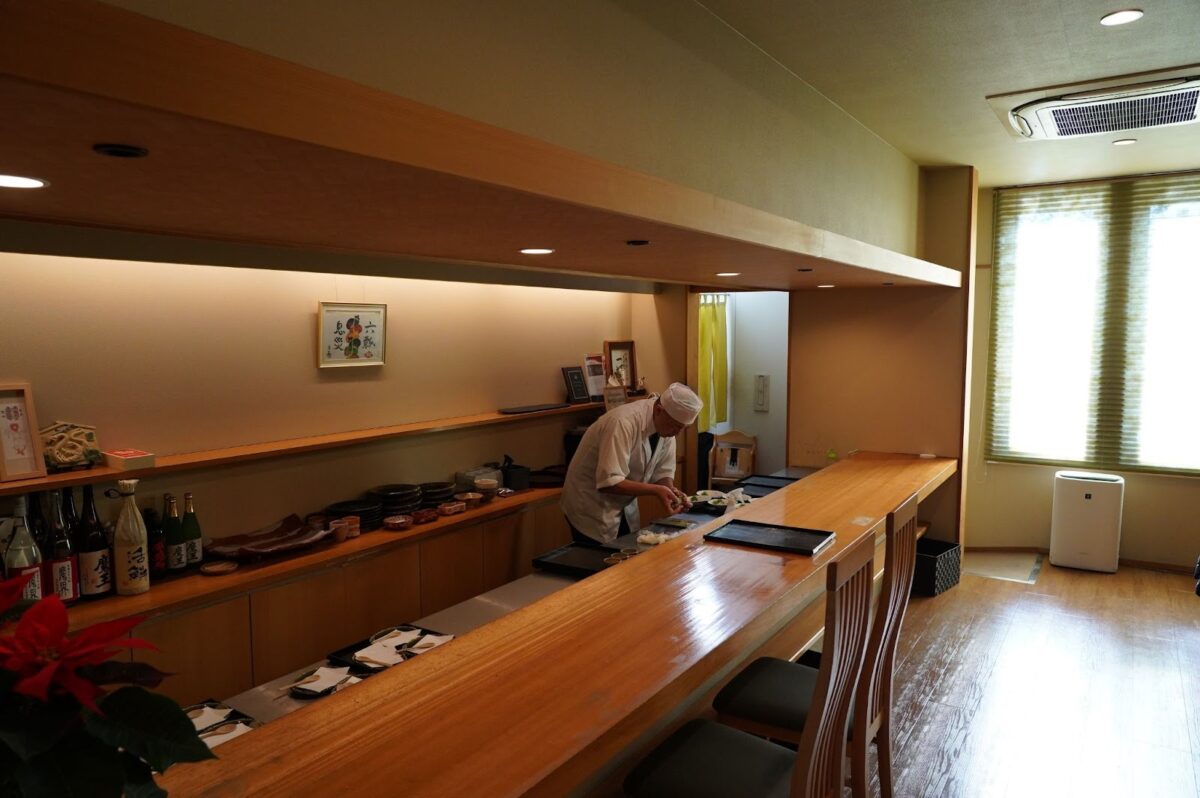
Whereas a contemporary culinary institution, Chef Hayahisa Osada’s work in Hekinan embodies the bushido spirit of service. He sources from native Aichi producers, the identical lands that fed the Mikawa samurai, to create upscale, welcoming dishes that showcase the area’s fermented components and protect native id. Right here you can see many merchandise from the opposite producers listed, like Sawada’s sake or Yamashin’s soy sauce.
Nagoya Fort
Nagoya Fort is an architectural and historic icon of the area, famously identified for its golden shachihoko (tiger-fish) ornaments atop the primary preserve. Initially constructed by Tokugawa Ieyasu within the early Edo Interval, the citadel was a vital navy and political hub. Whereas the primary preserve is a contemporary reconstruction following its destruction in WWII, the Honmaru Palace has been meticulously restored utilizing conventional methods and supplies, providing a shocking glimpse into the luxurious residing quarters of the Shogun’s household and retaining an environment of samurai energy and magnificence.
Tokugawa Artwork Museum
The Tokugawa Artwork Museum homes the private collections of the Owari Tokugawa household, one of many three principal branches of the ruling Tokugawa clan. This treasure trove contains priceless artifacts, comparable to samurai armor, swords, tea ceremony utensils, Noh costumes, and some of the necessary surviving units of the Story of Genji illustrated scrolls. The museum isn’t just a show of artwork; it’s a direct window into the opulent tradition and highly effective heritage of Japan’s ruling navy aristocracy through the Edo interval.
The place to remain
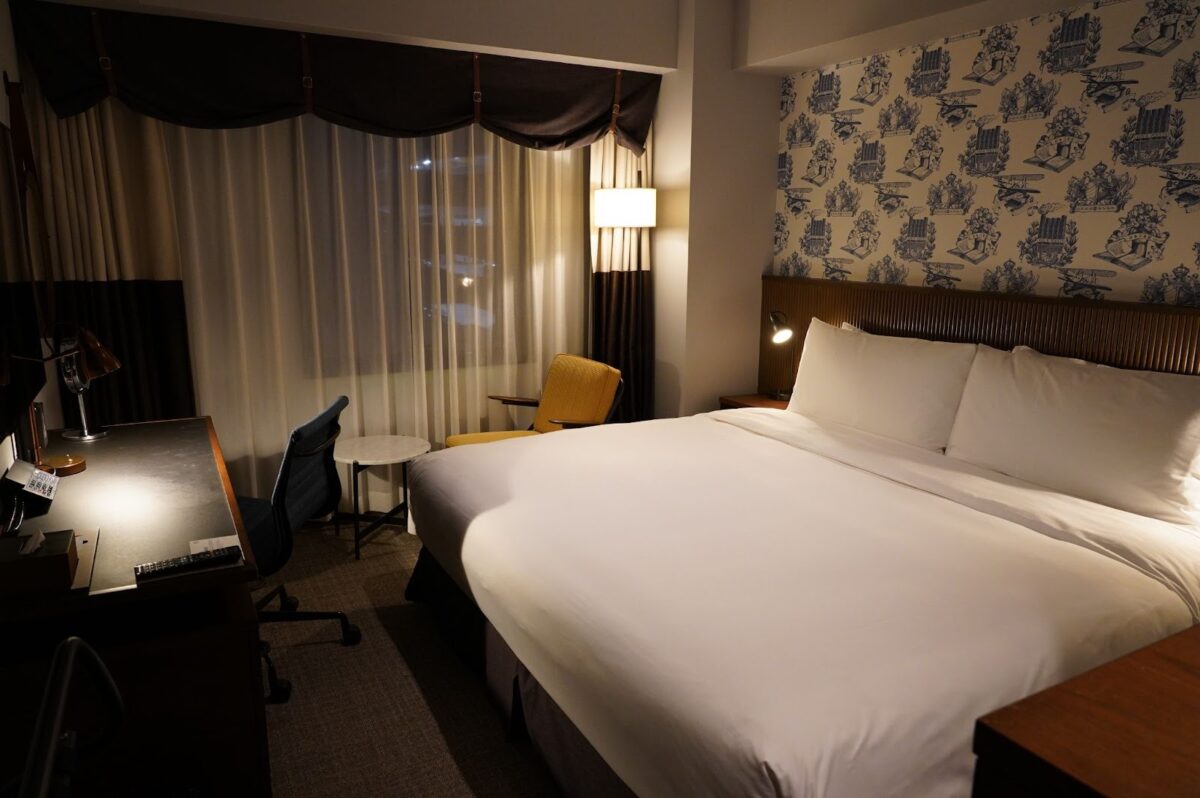
Even sensible concerns help deeper exploration. With Chubu Centrair Worldwide Airport close by, vacationers have easy accessibility. Handy lodging, such because the 4 Factors by Sheraton Nagoya Chubu Worldwide Airport, enable vacationers to simply use it as a base to discover Okazaki, Taketoyo, Handa, Tokoname, Hekinan, and different fermentation-rich areas all through Aichi. The lodge itself elevates the expertise by offering top quality dishes at its on-site restaurant. They’re engaged on menu gadgets that artistically incorporate the flavors of Aichi in distinctive and scrumptious methods; in case you’re fortunate, they are going to be accessible whenever you keep.Aichi,comparable to miso or tamari,in a really fancy, gourmand means, offering a classy and distinctive introduction to the area’s meals tradition.
A One-Day Route By means of Aichi’s Fermentation Historical past
This itinerary is designed as a practical, followable day that connects samurai tradition, fermented meals traditions, and trendy Aichi life. Instances are approximate and versatile, however the circulation displays how fermentation tradition naturally suits into the rhythm of the day.
Morning: Nagoya Fort & Samurai Tradition
9:00–11:00
Begin the day at Nagoya Fort, some of the necessary historic landmarks in Aichi and an emblem of the area’s stability through the Edo interval. The Tokugawa shogunate, which favored long-aged soybean miso, dominated from right here, and the citadel’s historical past offers important context for why fermented meals flourished within the area.
- Discover the citadel grounds and Honmaru Palace exhibitions, which introduce:
- Samurai day by day life
- Meals tradition of the warrior class
- The function of preserved meals like miso in sustaining long-term governance
Entry:
Nagoya Station → Subway (Higashiyama Line to Sakae, switch to Meijo Line) → Nagoya Fort Station
Journey time: lower than 20 minutes
This early cease grounds the day in political stability, time, and preservation; the identical forces that formed Aichi’s fermented meals traditions.
Lunch: Miso-Based mostly Native Delicacies
12:00–13:00
For lunch, select a restaurant that makes use of conventional Aichi-style miso, permitting you to style historical past reasonably than simply examine it.
- Eating places comparable to Kobanten Hanare Itto serve dishes highlighting the depth of soybean miso in addition to different specialties from the world.
- If the afternoon route goes east towards Okazaki, lunch may be taken close to Hatchō with dishes instantly tied to native manufacturing.
Moderately than a culinary detour, this meal acts as a bridge between historical past and lived expertise illustrating how fermented meals moved from samurai necessity to on a regular basis consolation.
Afternoon: Brewing & Fermentation Heritage
14:00–16:30
Select one of the next, relying on curiosity and journey route. Every represents a unique scale of Aichi’s fermentation ecosystem.
Possibility A: Kakukyu Hatchō Miso Village (Okazaki)
A big-scale, traditionally vital producer utilizing conventional stone-weight fermentation strategies. This cease emphasizes:
- Time-intensive manufacturing
- Edo-period continuity
- The institutional weight of fermentation in Aichi
Actions:
- Witness the size of the normal picket fermentation vats and the stone-weight system.
- Take part in a structured tasting of various aged miso varieties.
- Tour the museum and historic buildings explaining the corporate’s 380+ 12 months historical past.
Entry:
Meitetsu Nagoya Station → Meitetsu Line → Higashi-Okaszaki Station, then quick taxi or bus
Possibility B: Brewing Custom Museum and Nakasada Shoten (Taketoyo space)
Excellent for guests staying central, this feature focuses on:
- How soy sauce and miso are symbiotic
- The shared technical foundations of miso, soy sauce, and sake
Actions:
- View reveals detailing the microbiological processes widespread to numerous fermentations.
- See big vats of miso and soy sauce being made, assist pour/redistribute the soy sauce.
Entry:
Meitetsu Nagoya Station → Kowa line → Age Station, then a ten minute stroll
Possibility C: Sawada Sake Brewery (Chita Peninsula)
A extra intimate, hands-on expertise highlighting:
- Water sourced from hills
- Koji care and sensory decision-making
- Sake brewing that preserves conventional manufacturing strategies utilizing picket instruments
Actions:
- Take a guided tour alongside the brewery route, studying concerning the conventional instruments and brewing processes
- Meet the toji (grasp brewer) to debate historical, conventional brewing methods.
- Take part in a comparative tasting of sake.
This afternoon section shifts from political historical past to human-scale craft, displaying how fermentation data is carried ahead by folks reasonably than preserved behind glass.
Entry:
Meitetsu Nagoya Station → Meitetsu Line → Taketoyo station → bus to Koba Station, then a 2 minute stroll
Dinner: Miso-Nikomi Udon or Kishimen
18:00–19:30
Finish the day with a dish locals nonetheless eat often: miso-nikomi udon or kishimen! each deeply tied to Aichi’s local weather and components.
- Thick soybean miso offers heat, depth, and vitality
- Flat noodles mirror regional wheat use
- The meal reinforces fermentation as on a regular basis sustenance, not specialty delicacies
Eating at evening mirrors how these dishes traditionally functioned: dependable, nourishing meals after lengthy days of labor.
Conclusion: Fermentation because the Coronary heart of Aichi’s Cultural Id
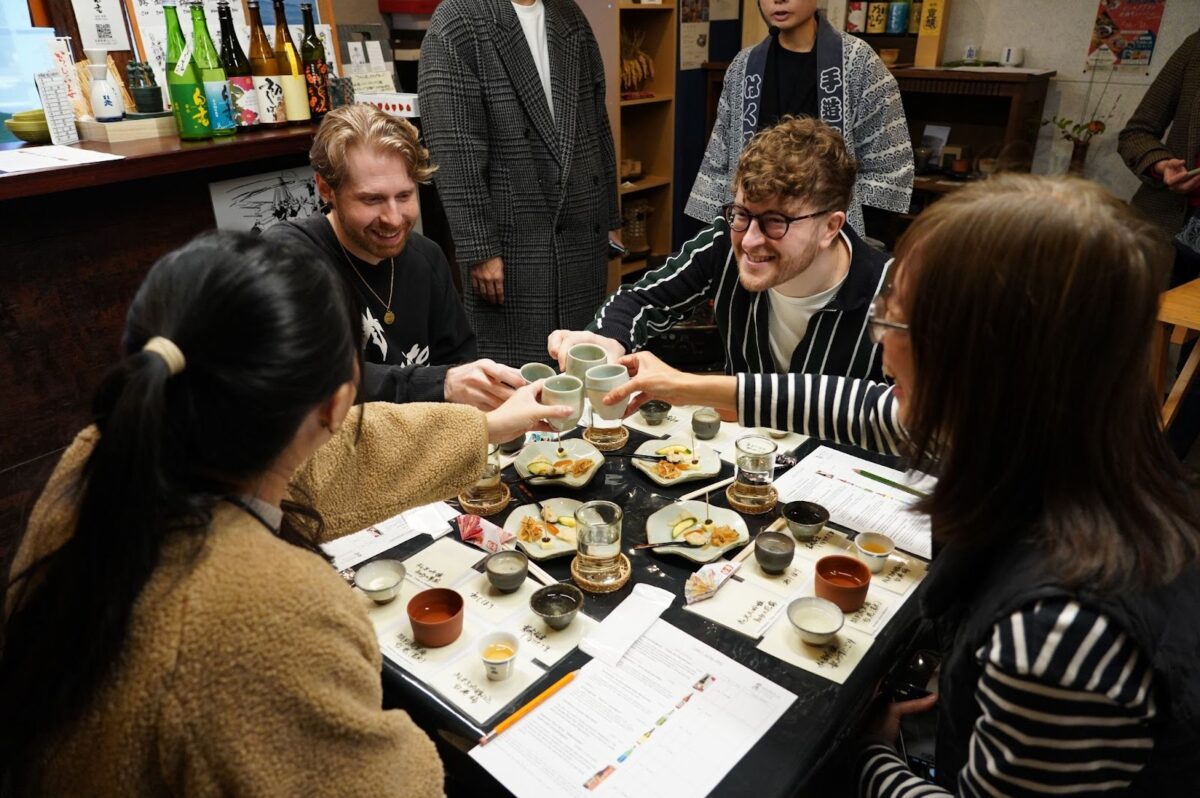
In Aichi, fermentation is a means of referring to time, place, and care, not merely a method for making scrumptious meals. Wood vats that final generations, liquids that deepen in coloration over a long time, and abilities handed by means of fingers reasonably than manuals all testify to a tradition that values endurance over pace and steering over management.
Aichi’s meals tradition can’t be separated from its samurai previous, nor can it’s understood with out partaking the individuals who proceed to hold these traditions ahead. For vacationers in search of a deeper, extra grounded expertise of Japan, one rooted in taste, craft, and residing historical past, Aichi affords one thing quietly extraordinary.
(For these fascinated with exploring the place and how to style these traditions in the present day, a devoted food-focused information builds on this historic basis.)