
Why Nagoya Is a Paradise for Fermentation Lovers
Nagoya is typically described as a metropolis folks go by means of reasonably than cease in, regardless of it being Japan’s 4th largest metropolis. However for vacationers fascinated with meals, that repute shortly turns into onerous to grasp. That is one in all Japan’s most necessary areas for fermented meals, and its culinary identification is deeply formed by centuries of brewing, getting older, and microbial craftsmanship.
Aichi Prefecture produces lots of the fermented staples that underpin Japanese delicacies: miso, soy sauce (together with tamari and white soy sauce), vinegar, sake, mirin, and pickles. These usually are not area of interest specialties, however foundational substances that quietly outline Japanese cooking at each stage. What makes Aichi particular is not only the quantity or number of fermentation, however how visibly alive the tradition nonetheless feels. Many manufacturing websites usually are not preserved relics—they’re working areas, worn by time and use, the place fermentation continues a lot because it has for generations.
For vacationers, this implies Nagoya provides one thing uncommon: the possibility to style historical past not as an idea, however as an on a regular basis observe.
What Makes Nagoya’s Flavors So Distinct?
On the coronary heart of Nagoya’s delicacies is umami, the deep savoriness produced by means of fermentation. This taste comes from the work of microorganisms, particularly koji mould, which transforms starches and proteins into sugars and amino acids. Koji underpins miso, soy sauce, sake, mirin, vinegar, and even many pickles, making it one of many quiet heroes of Japanese meals tradition.
Aichi’s local weather helped fermentation flourish. Heat, humid summers, fertile soil, and easy accessibility to water, salt, rice, soybeans, and wheat created ideally suited situations for brewing. In the course of the Edo interval, the area additionally benefited from stability, robust rice harvests, and proximity to Edo (fashionable Tokyo), permitting massive portions of sake, vinegar, and mirin to be shipped east. Over time, producers realized to repurpose by-products: sake lees grew to become vinegar, miso runoff grew to become tamari soy sauce, and mirin lees had been used for pickling. This all grew to become a symbiotic fermentation ecosystem the place nearly nothing was wasted.
The result’s a taste profile usually described as daring, wealthy, and unapologetically deep. In comparison with the lighter seasoning kinds of different areas, Nagoya delicacies embraces depth, however all the time with stability and objective.
Important Nagoya Meals and How Fermentation Shapes Them
Miso-Based mostly Dishes: Depth Over Delicacy
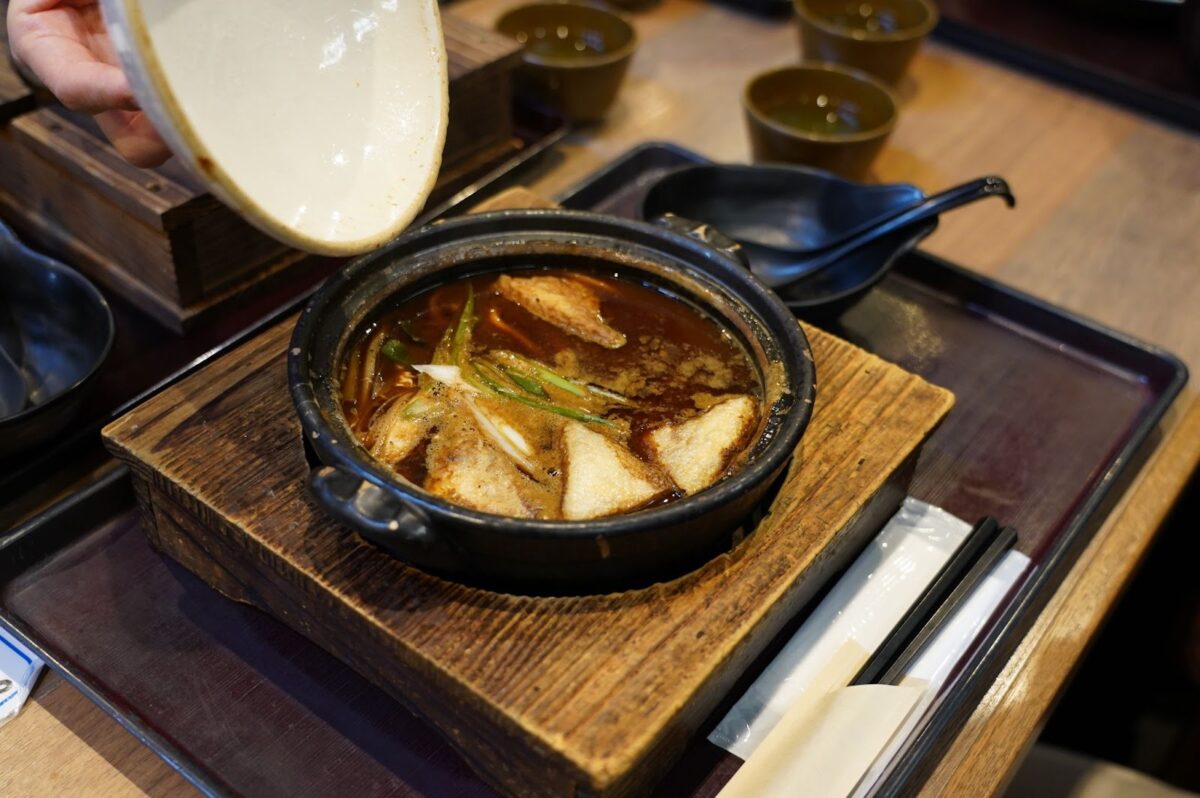
Whereas Japanese meals tends to focus on simplicity and minimalism with taste, miso can truly be contrasting relying on the dish. In case you are a fan of daring taste and issues like dips and sauces, it’s most likely value trying to find dishes that rely upon miso!
Nagoya’s most well-known ingredient is soybean miso, usually aged for 2 years or extra. Lengthy fermentation produces a darkish shade, earthy aroma, and highly effective umami. This fashion of miso was traditionally favored by a robust samurai chief, Tokugawa Ieyasu, who unified Japan and based the Tokugawa shogunate, Japan’s army authorities, in 1603 and its affect nonetheless defines the area’s cooking.
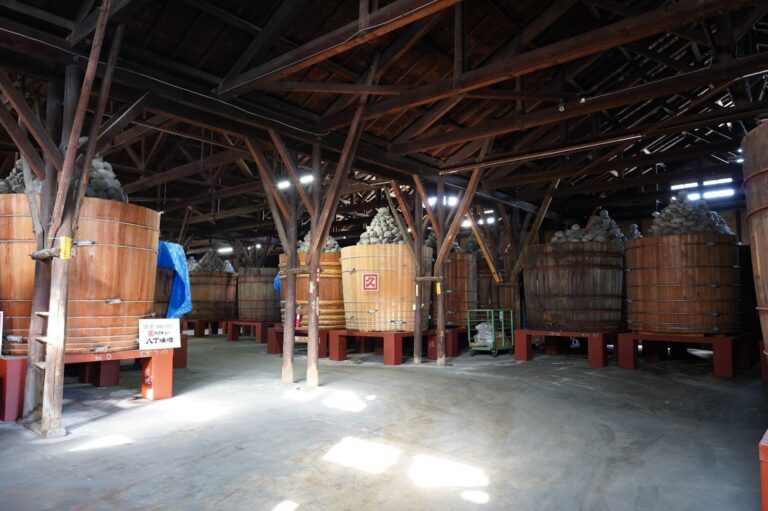
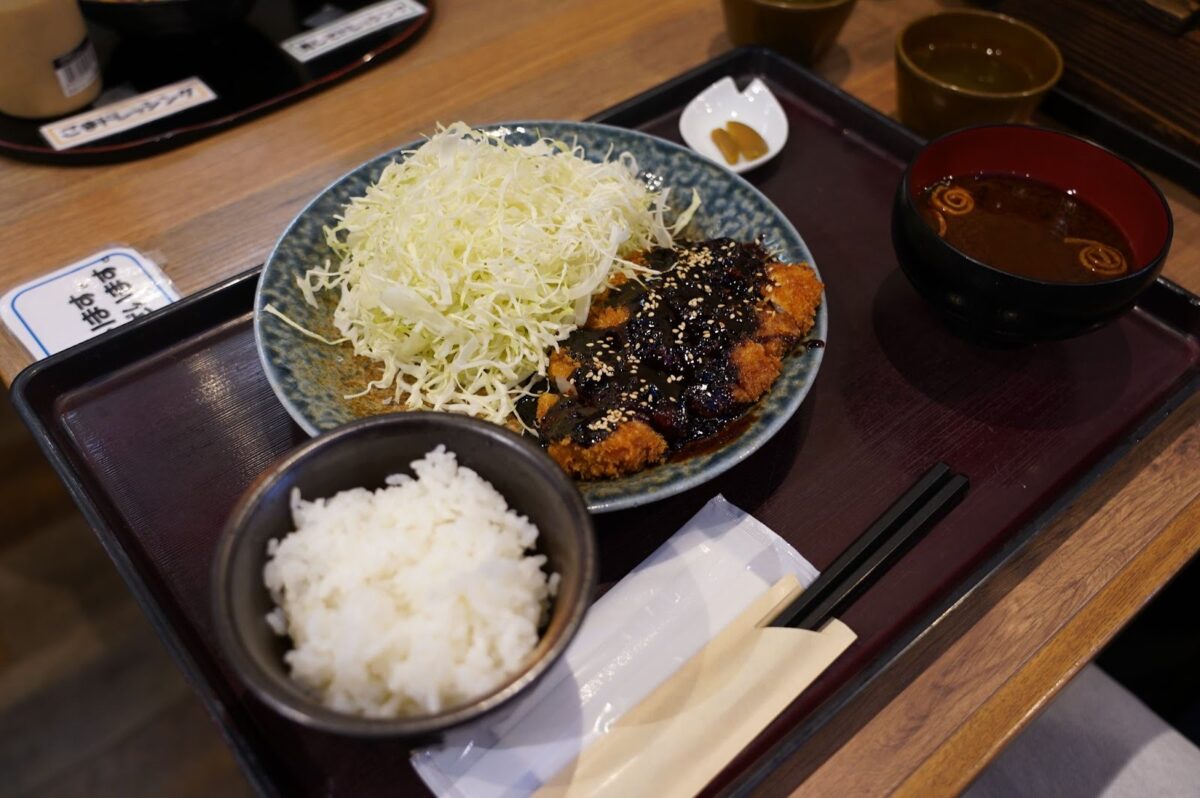
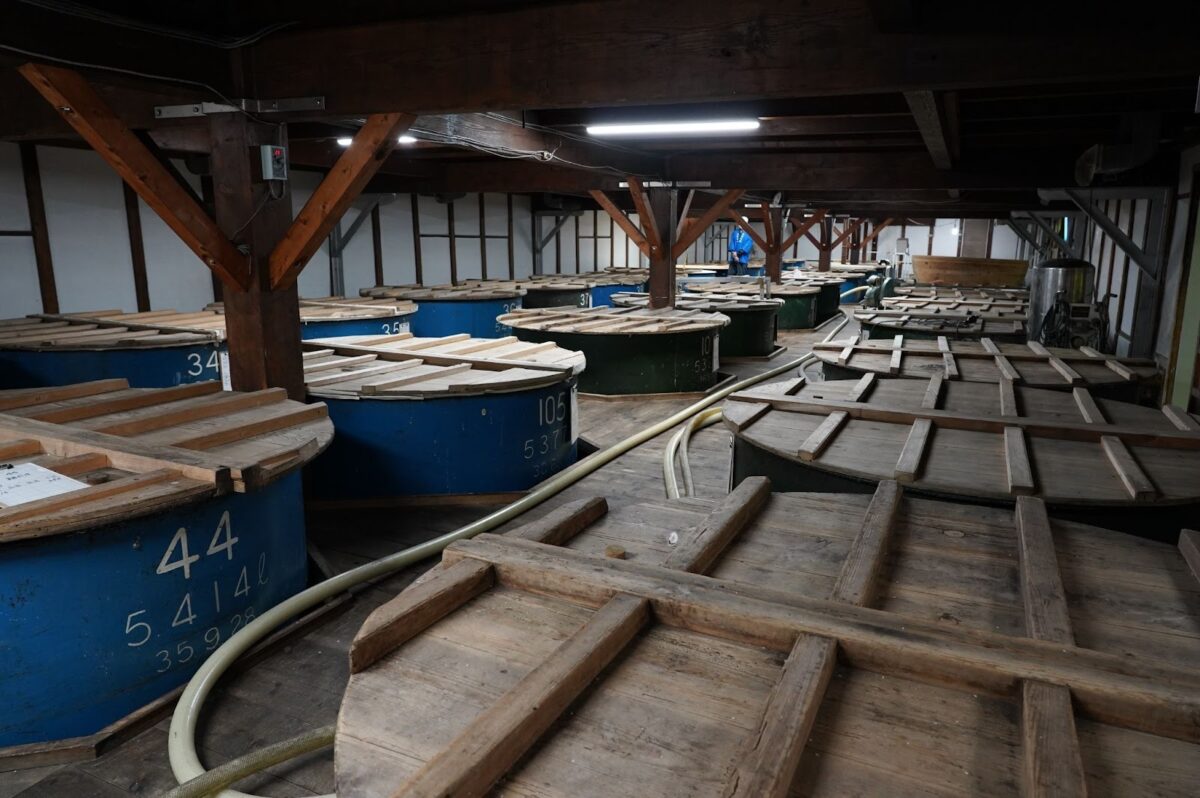
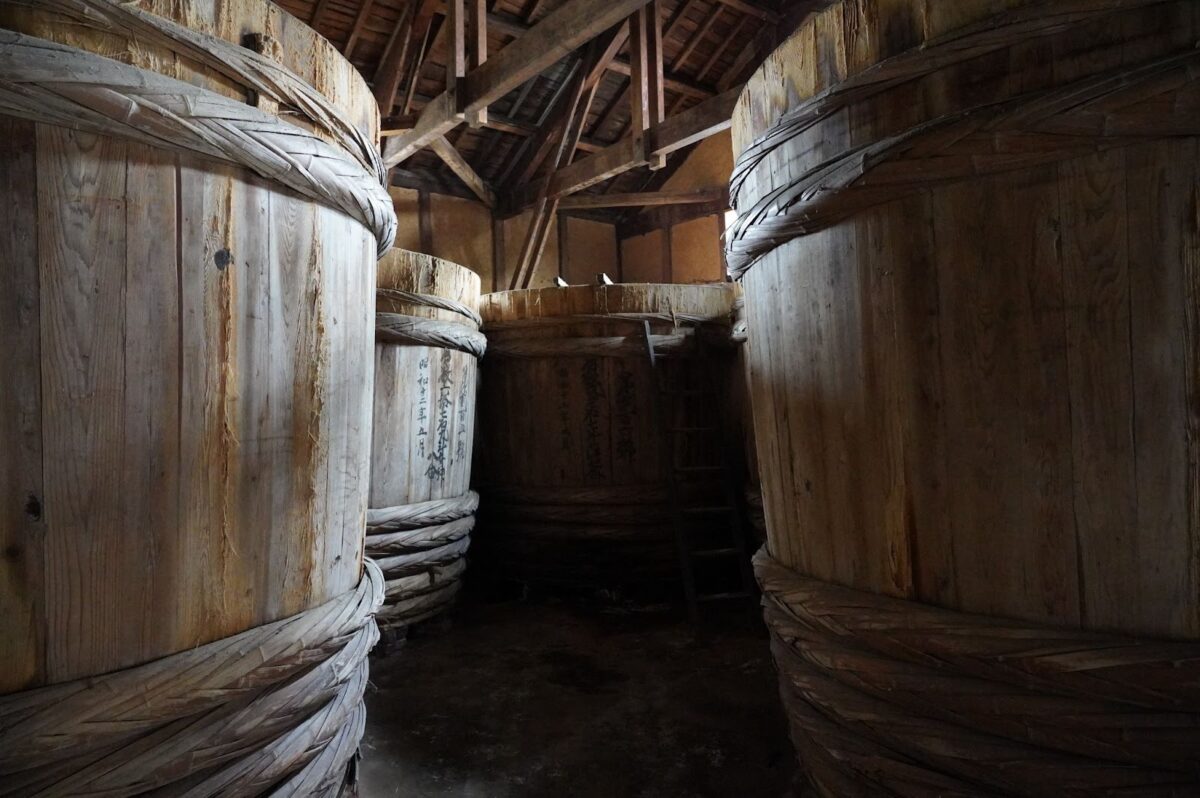
At locations like Kakukyu Hatcho Miso Conventional Brewery in Okazaki, guests can see this course of firsthand: monumental wood vats certain with bamboo rings, weighed down by rigorously stacked stones, quietly fermenting for years. The miso made right here turns into the spine of traditional dishes reminiscent of miso-katsu and miso-nikomi udon.
Consuming miso dishes after seeing how they’re made adjustments the expertise fully. On the Okazaki Kakukyu Hatcho Village Restaurant connected to the Kakukyu Hatcho Miso Conventional Brewery, meals usually are not simply flavored with miso, they’re contextualized by it. Workers and guides clarify the getting older course of casually, generally with humor, making a centuries-old craft really feel approachable reasonably than educational.
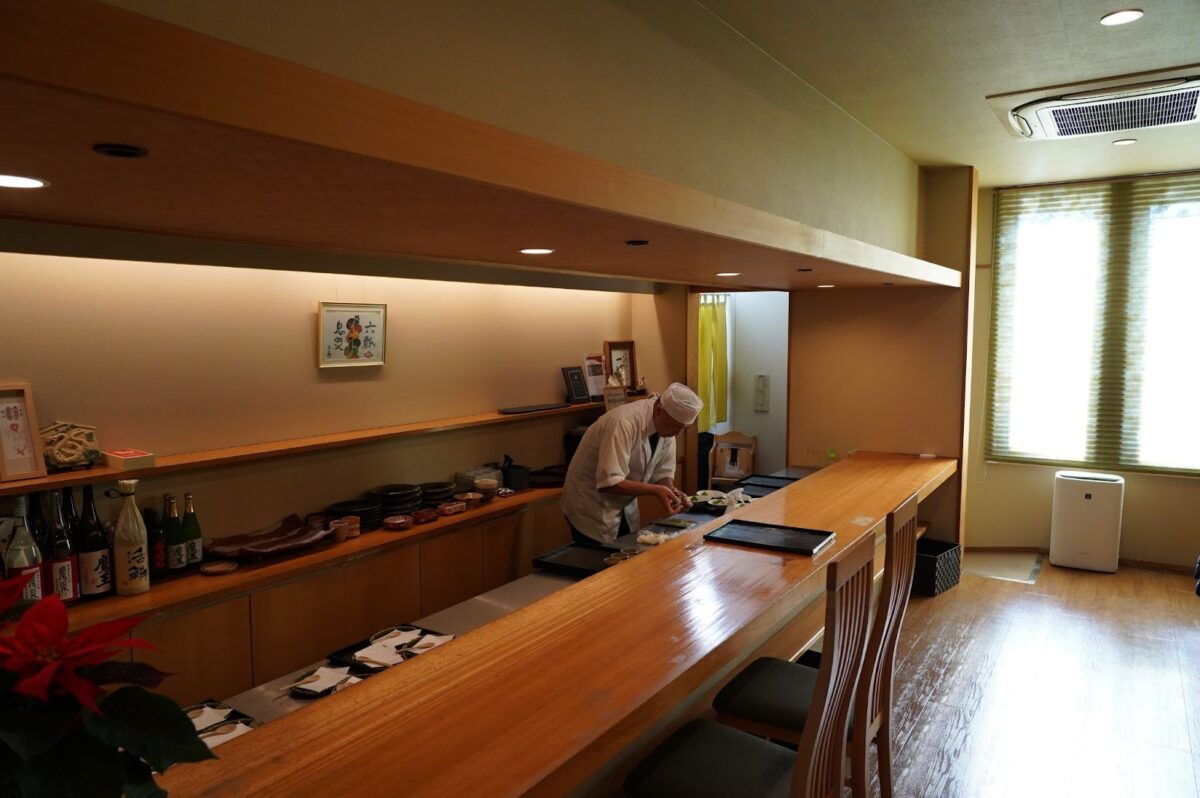
In Nagoya metropolis, Hekinan metropolis, and surrounding areas, eating places like Hanare Ittō situated in Hekinan metropolis present how these conventional flavors are carried ahead. The cooking is refined, however the foundations stay unmistakably native: miso, soy sauce, and fermented seasonings used with restraint and confidence.
Kakukyu
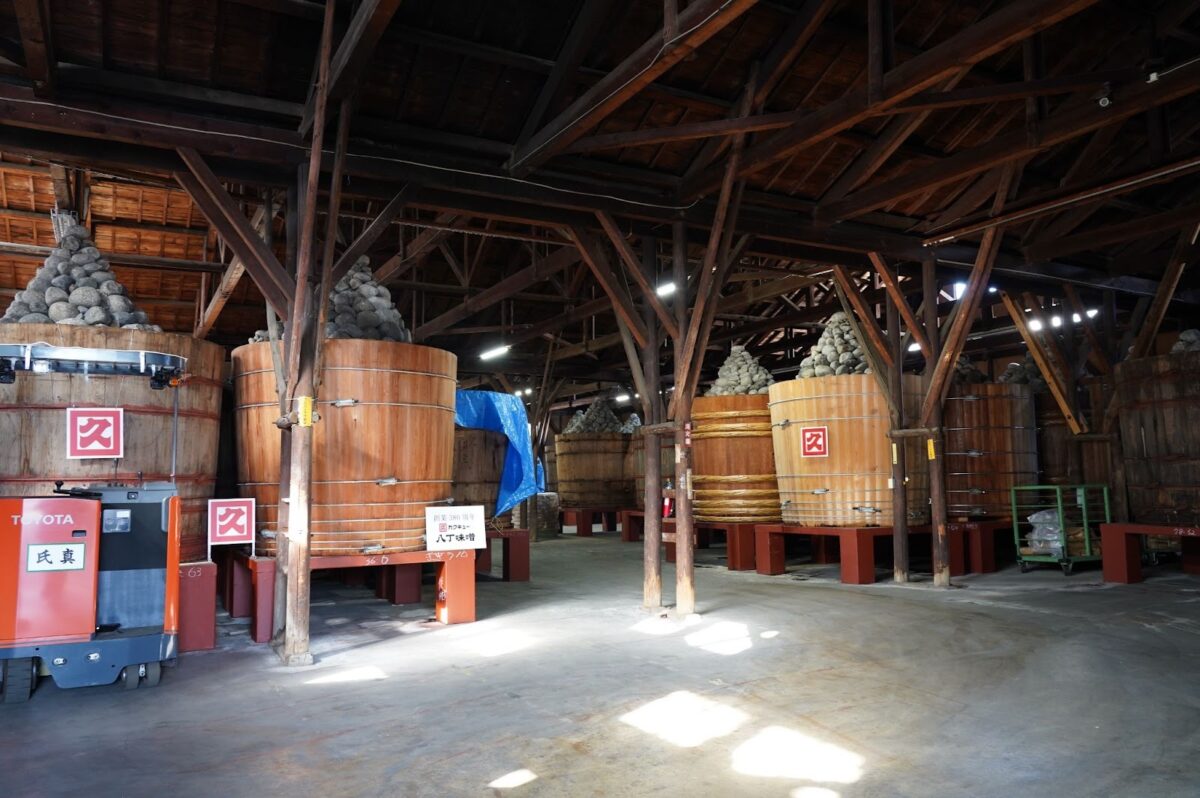
With an official founding in 1645, Kakukyu is the definitive identify in Hatcho Miso manufacturing. As one of many largest producers of historically made Hatcho Miso, they’ve elevated their historic prowess right into a luxurious rating, providing premium miso. Their distinctive manufacturing technique includes getting older their miso for not less than 2 years in huge cedar vats and utilizing a conventional stacking technique of over three tons of river stones to press the miso. Kakukyu is a pacesetter in each manufacturing approach and heritage safety, even going as far as to buy new wood vats to help producers, regardless of the present vats lasting for over 100 years and enhancing with age.
The large property has lengthy withstood the check of time, a powerful sight that highlights the religious upkeep of their manufacturing strategies. Every particular person encountered appeared enthusiastic and pleased with the operation. It’s clear that their stance on manufacturing has remained as steady and unwavering because the stones they stack.
Web site
Tackle: 〒444-0925 Aichi, Okazaki, Hatcho-cho 69
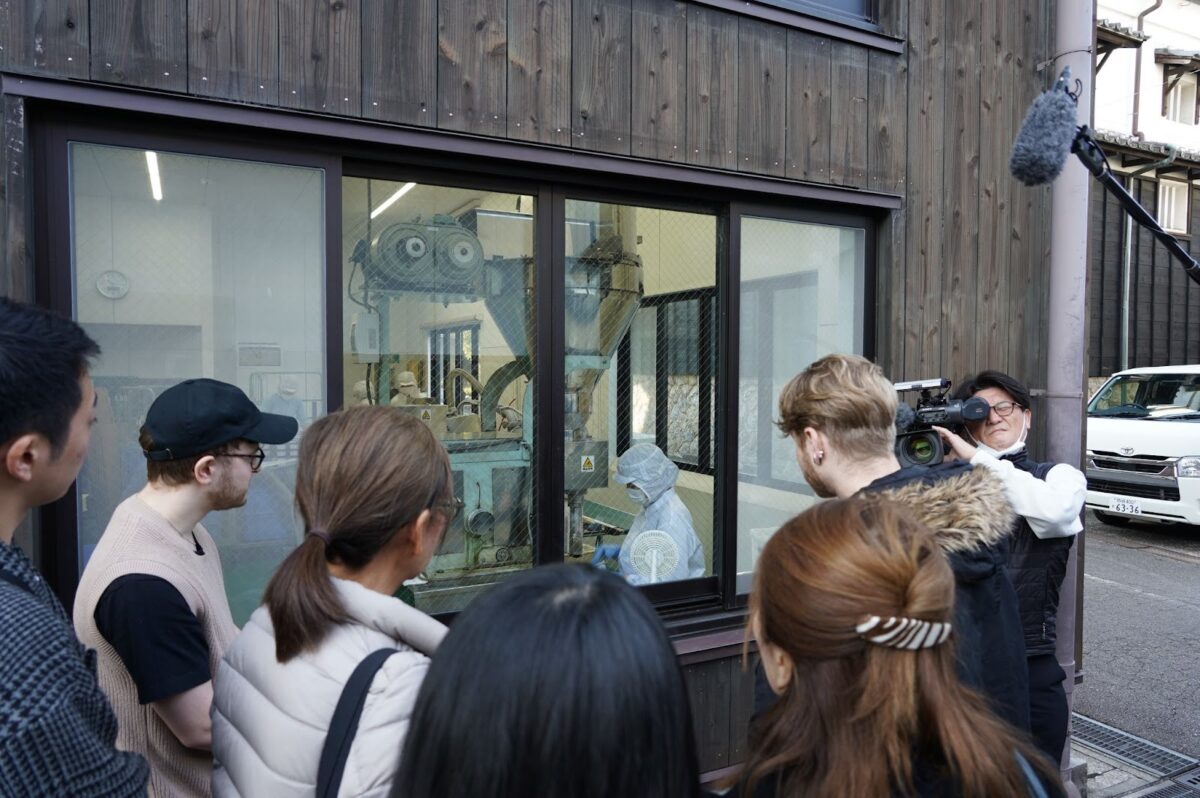
Kobanten Hanare Itto
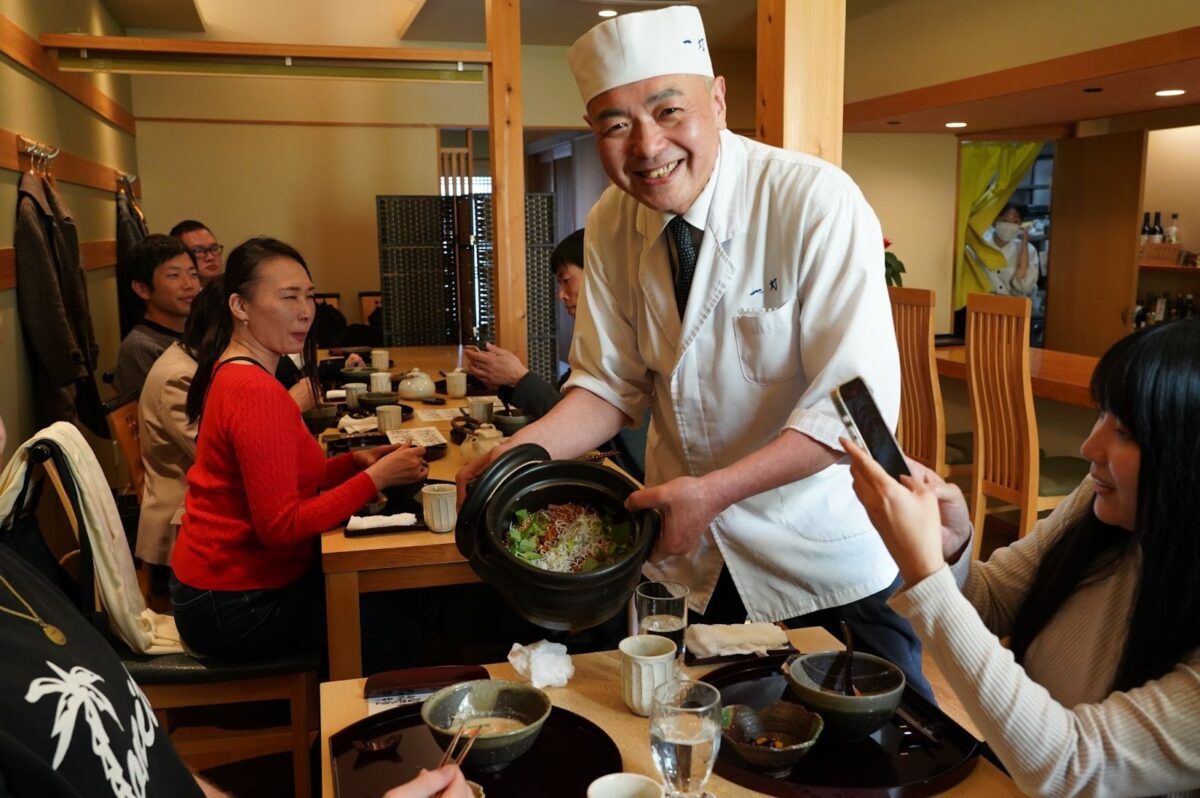
Led by govt chef and proprietor, Hayahisa Osada, this institution is a nice method to get pleasure from a choice of the native meals. After graduating from college, he skilled at a conventional Japanese restaurant in Tokyo, in the end selecting to revitalize his hometown of Hekinan Metropolis by means of cooking.. He’s dedicated to a farm-to-table philosophy, meticulously sourcing substances from inside the native space to create meals that’s deeply genuine to the area. Dishes featured soy sauce from Nakasada Shoten and Yamashin, sake from Sawada Shuzo, and miso from Kakukyu, a reaffirmation of those amenities’ agency positions as Aichi’s satisfaction in fermented meals. His dedication extends past the kitchen, as he actively helps the neighborhood by connecting native producers and even providing school classes to aspiring people.
The restaurant itself presents a classy and historically Japanese aesthetic, providing a refreshing, upper-class environment well-suited for each lunch and dinner. Throughout a go to, the chef’s real pleasure to share his creations was evident; he was constantly smiling, glad to have interaction, and desperate to reply any questions in regards to the dishes. The employees mirrored his demeanor, proving to be simply as pleasant and attentive, guaranteeing your entire eating expertise is completely satisfying for all company.
Web site
Tackle: 〒447-0874 Aichi, Hekinan, Sakuzukamachi, 1 Chome−16
Lunch at Kobanten Hanare Itto
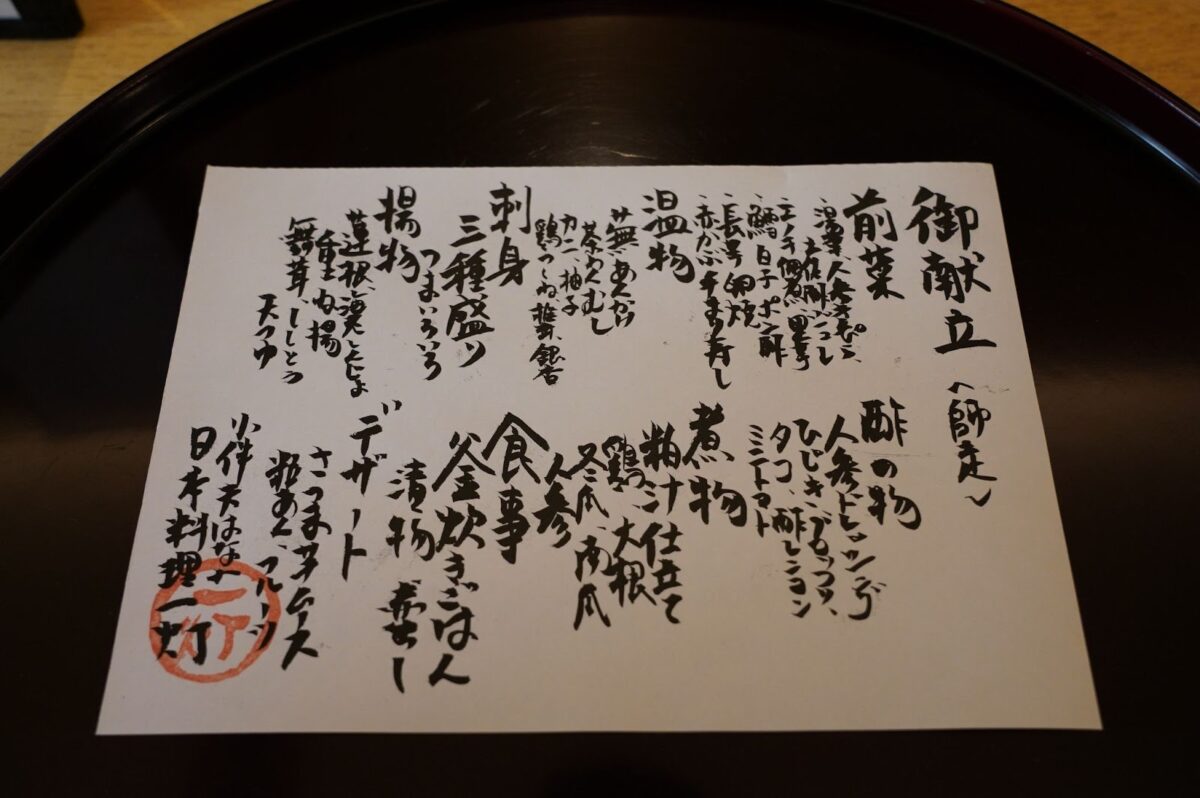
Hand-written clarification of the course meal
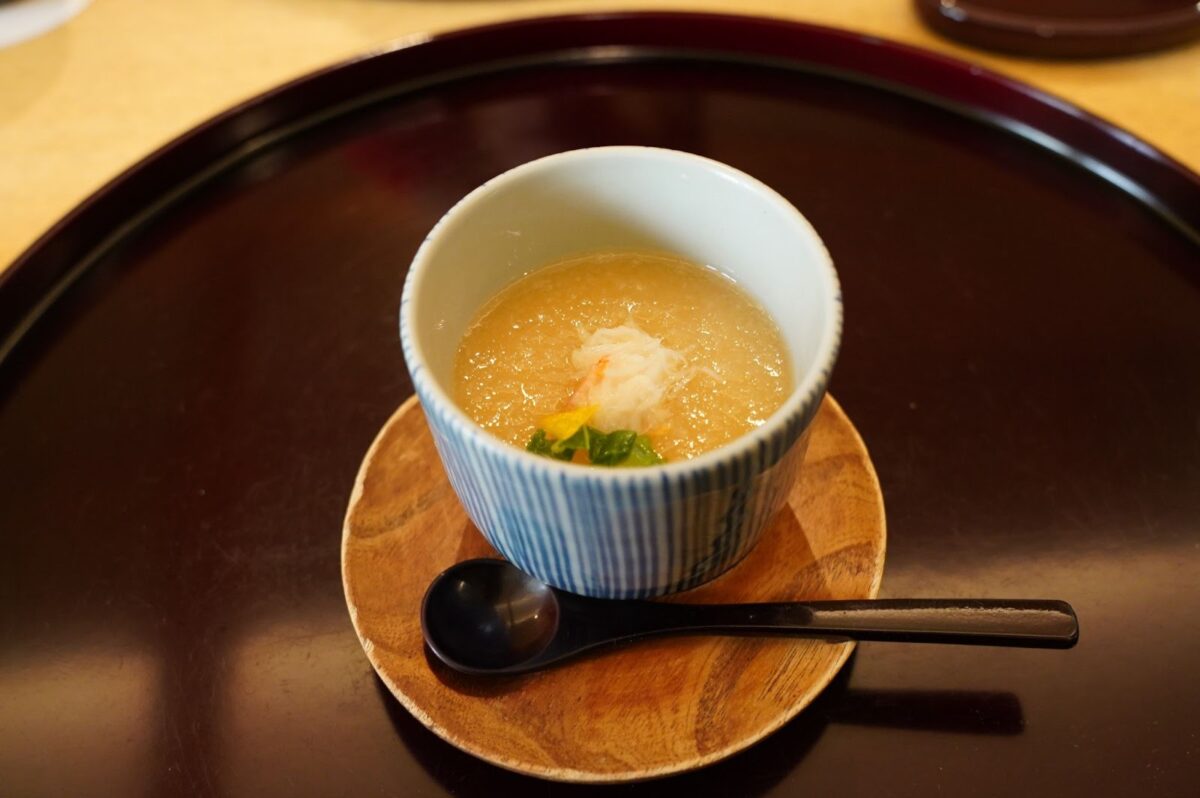
Chawanmushi (Savory Steamed Egg Custard):
Crab, yuzu citrus, rooster meatball, ginkgo nuts, and shiitake mushroom
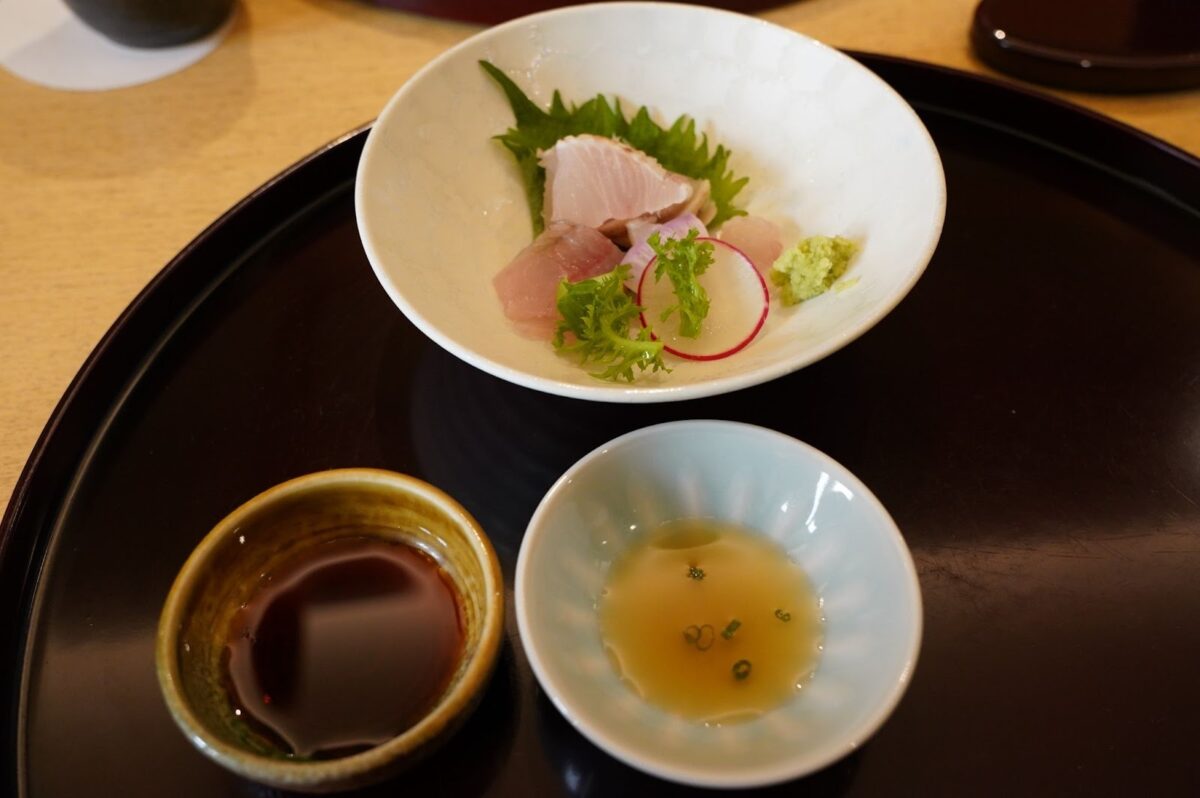
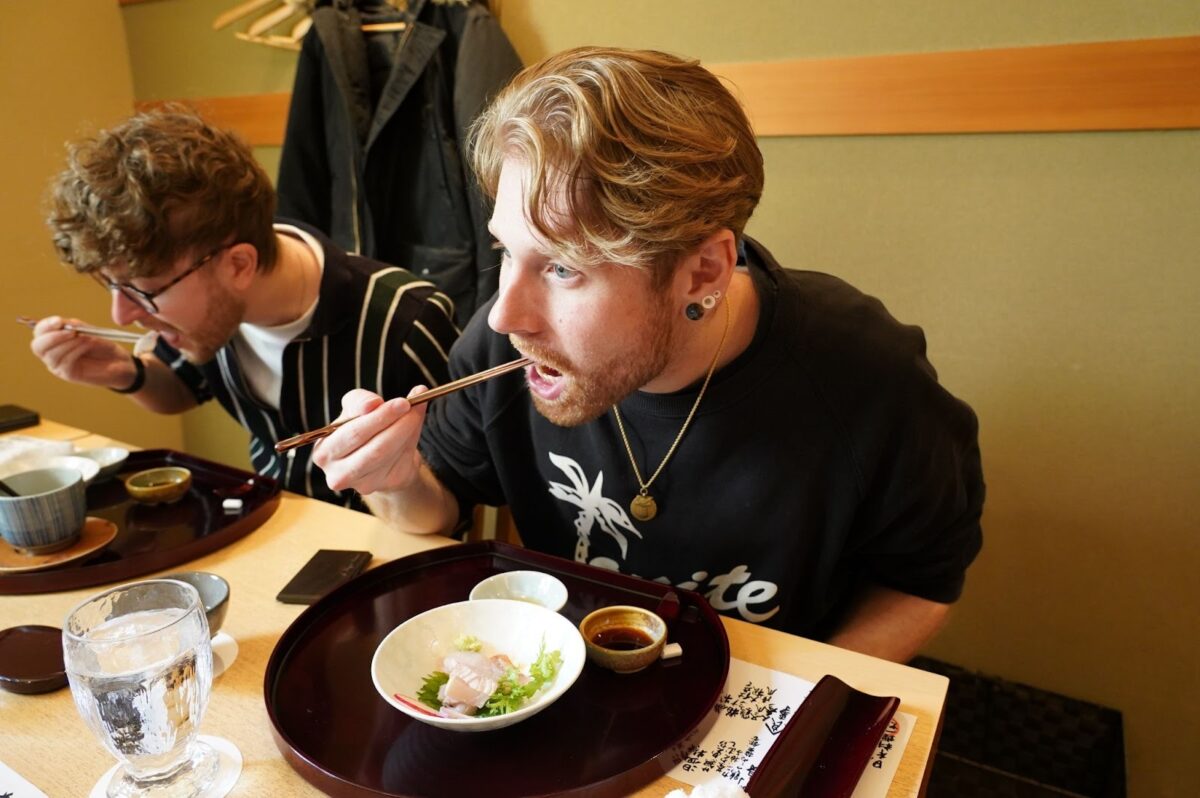
Assorted sashimi served with domestically made soy sauce
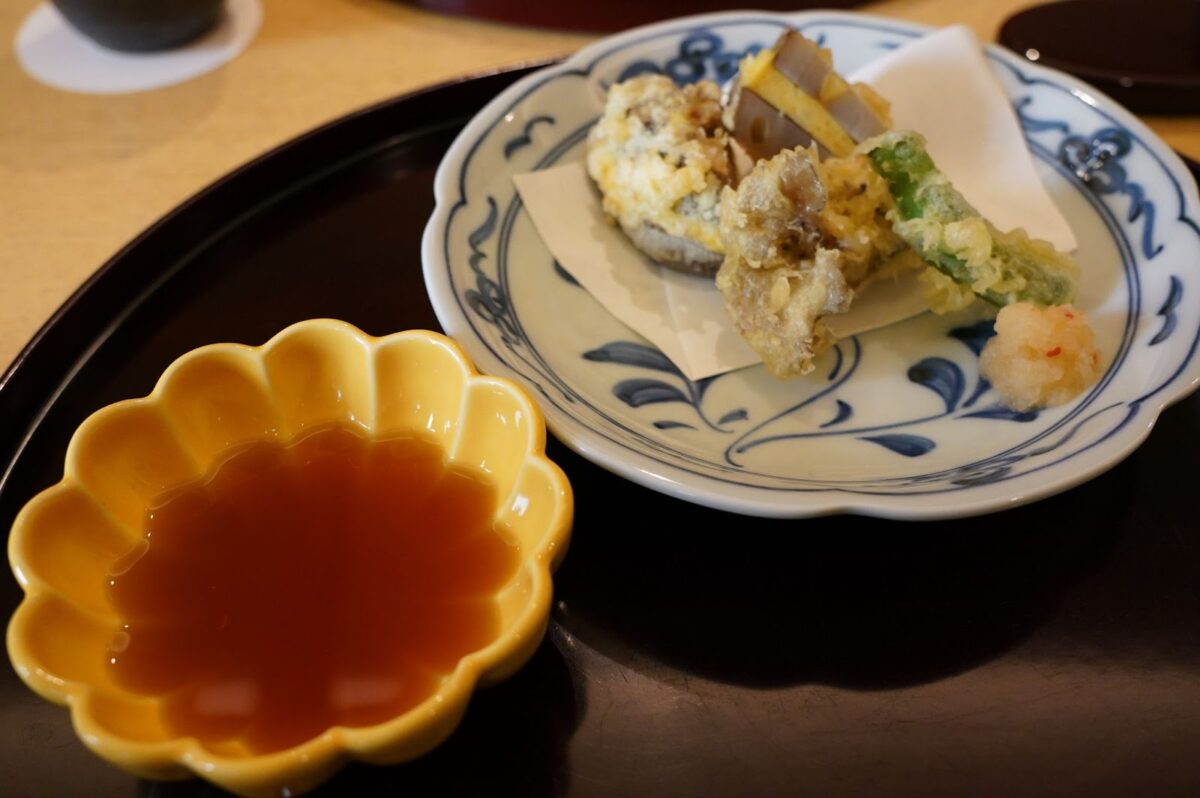
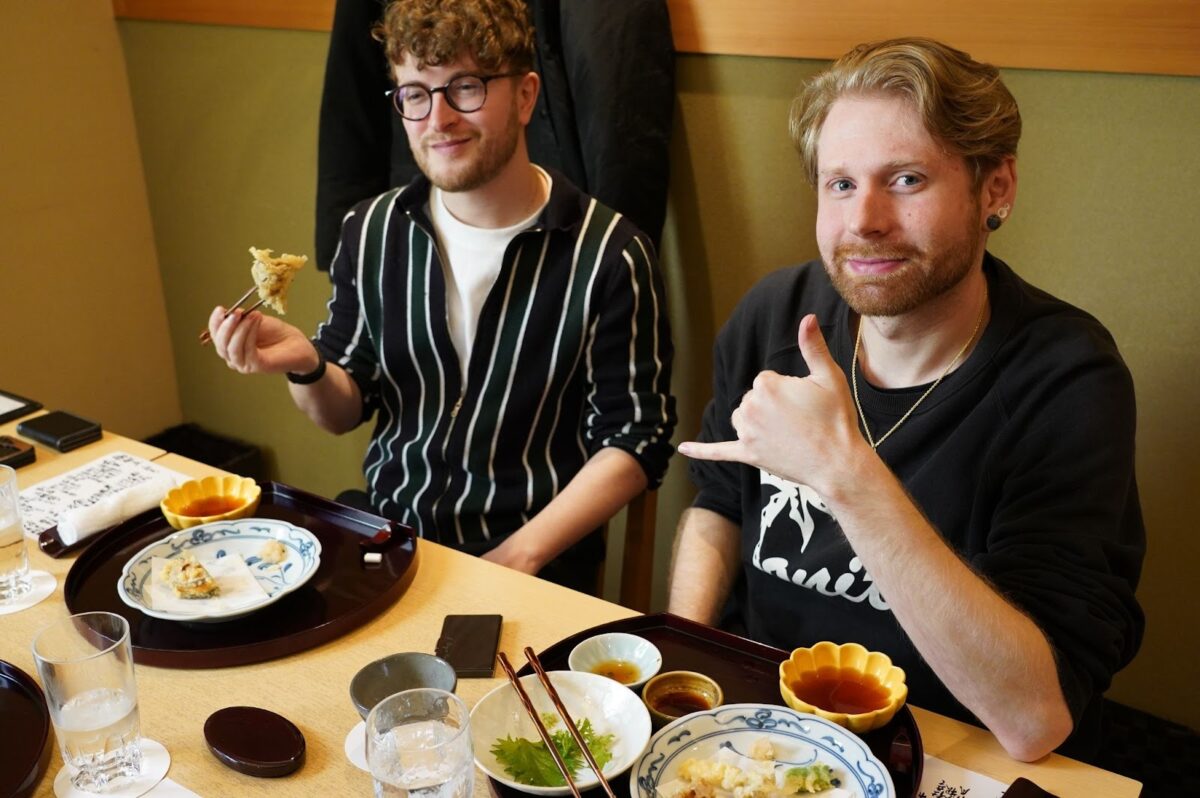
Assorted Tempura of Lotus Root and Maitake Mushroom served with domestically made tempura sauce
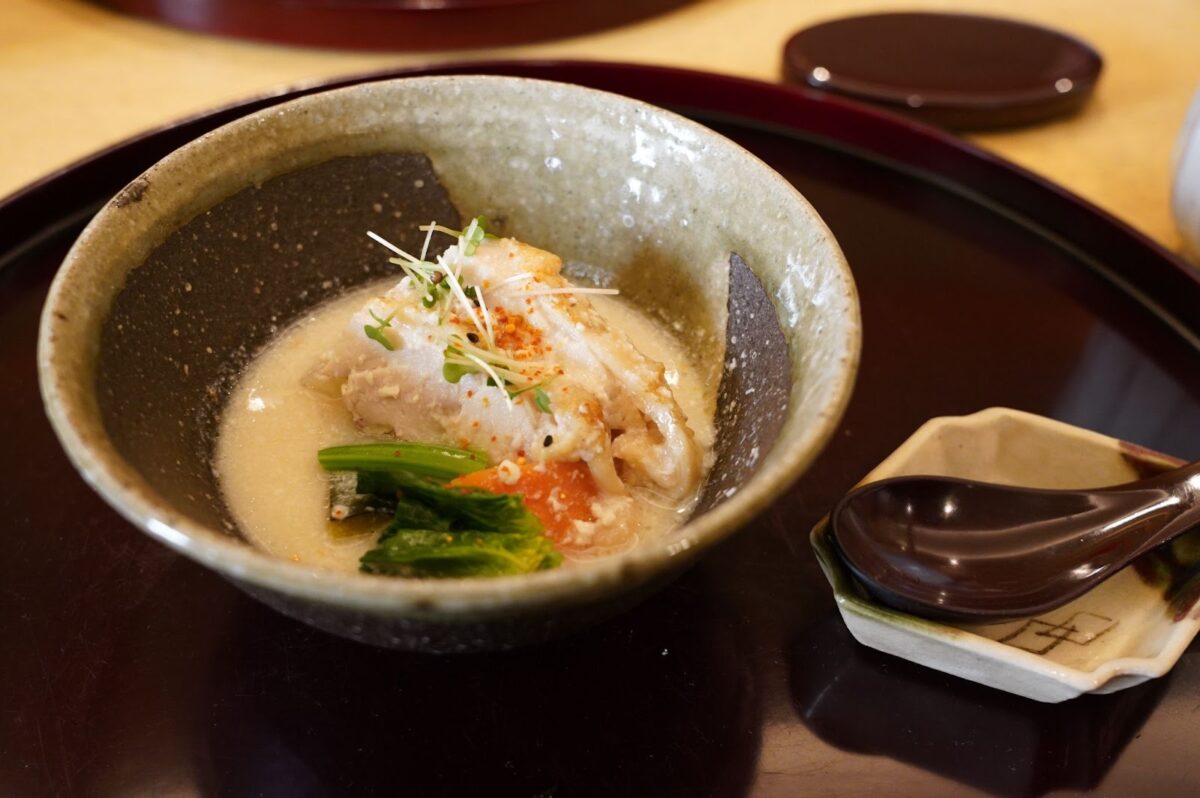
Kasu-jiru (Conventional Soup Made with domestically made Sake Lees)
That includes rooster, daikon radish, winter melon, kabocha squash, and carrot
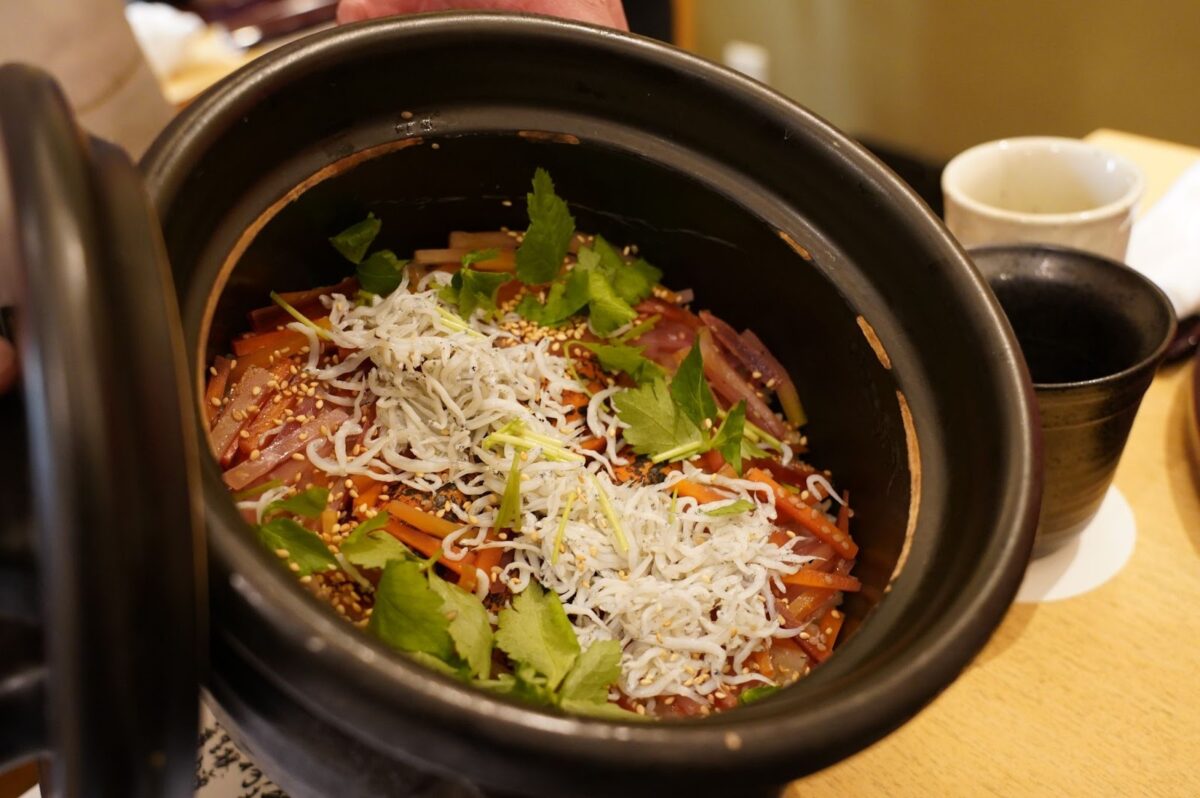
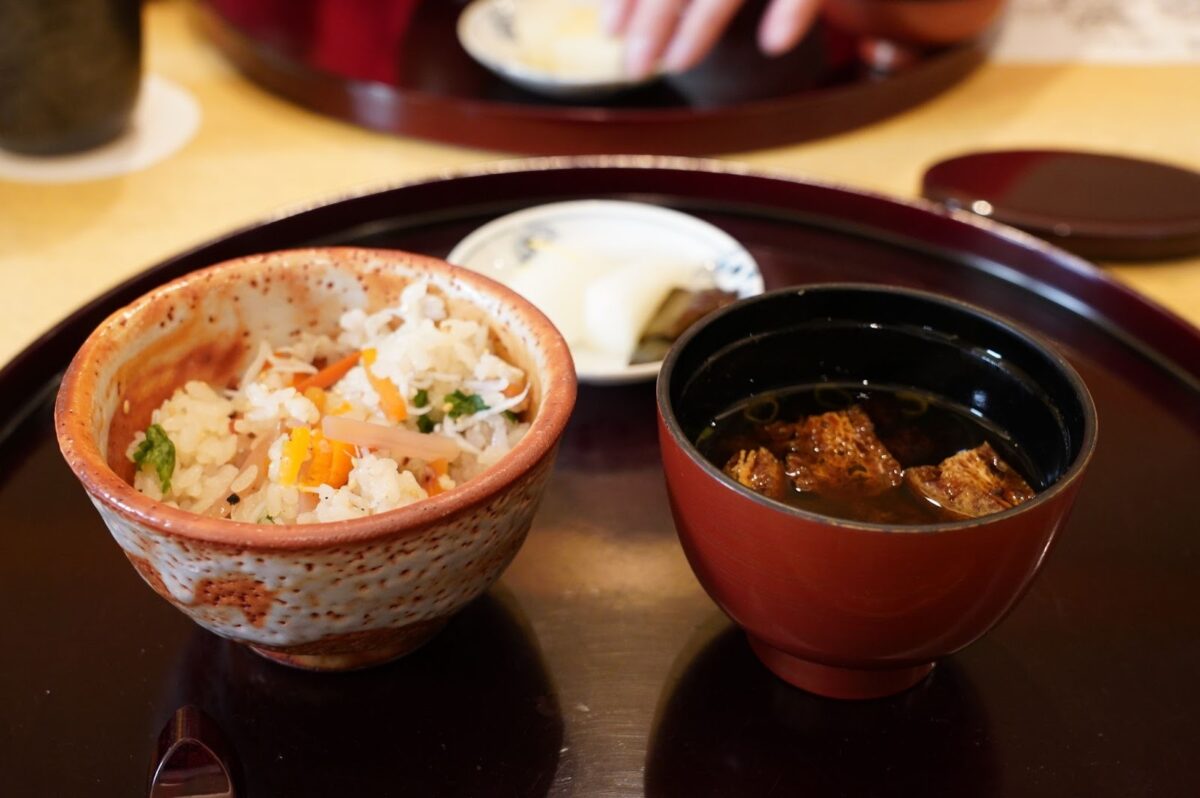
Takikomi gohan (rice combined with greens and whitebait) with Nakasada Shoten/kakukyu miso soup
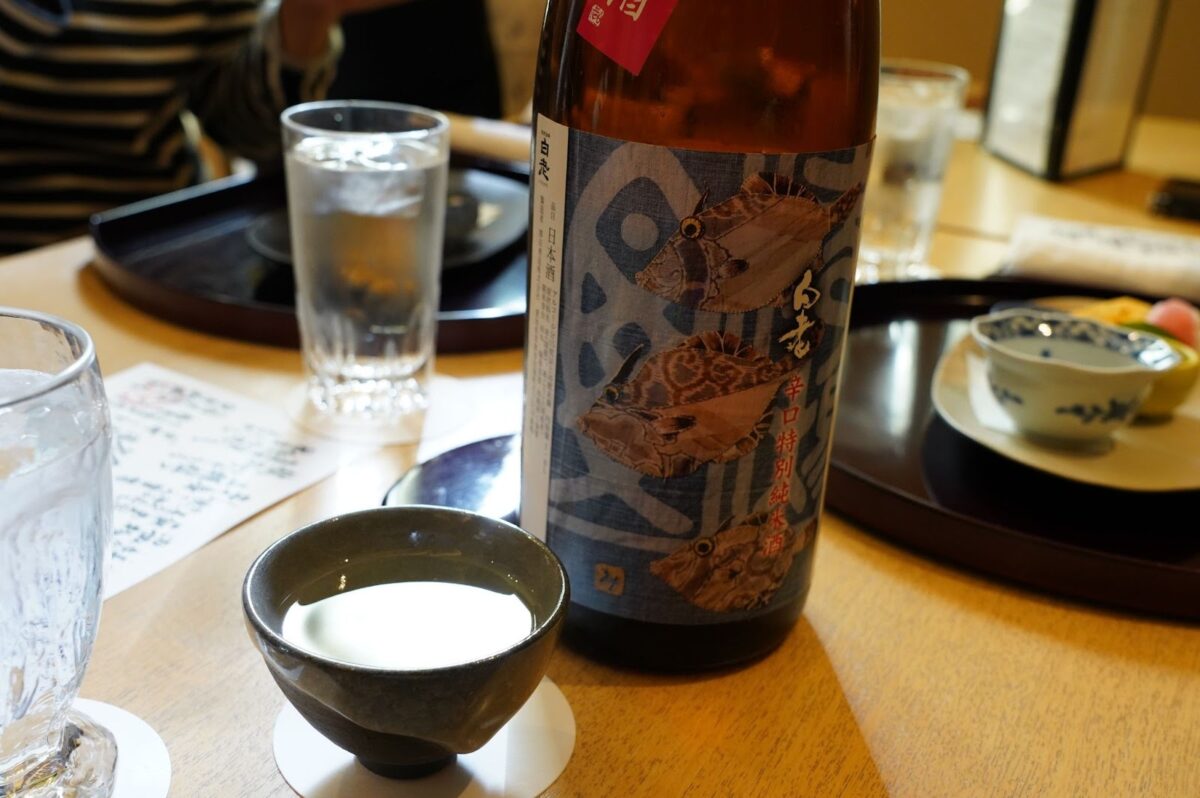
Sake from Sawada Shuzo “Hakurou”
Hitsumabushi and the Artwork of Layered Taste
Hitsumabushi, Nagoya’s signature grilled eel dish, depends closely on fermented seasonings for its complexity. The tare sauce used to glaze the eel attracts depth from soy sauce and mirin, substances whose character develops solely by means of time and microbial motion.
This layering mirrors Aichi’s fermentation tradition itself: flavors constructed progressively, not rushed, and designed to unfold as you eat.
Curry Udon: Not Conventional, However Telling
Curry udon will not be traditionally thought of “Nagoya-meshi,” but it seems steadily on native menus. Its recognition displays how deeply fermentation has formed regional tastes. Even when borrowing from nontraditional dishes, Nagoya cooks usually lean into wealthy dashi, miso affect, and fermented depth, making the dish really feel unmistakably native.
Kishimen and Regional Soy Sauce
Kishimen, Nagoya’s flat noodles, are usually served in a soy-based broth that highlights regional variations in shoyu. Aichi is dwelling not solely to tamari soy sauce, thick and intensely umami, but in addition to white soy sauce (shiro shoyu), which is lighter in shade, wheat-forward, subtly candy, and extremely versatile.
Producers reminiscent of Yamashin Soy Sauce Brewery assist illustrate how numerous soy sauce could be. White soy sauce, specifically, is commonly described as versatile and fashionable, interesting to cooks experimenting with lighter shows or fusion cooking, whereas nonetheless grounded in conventional fermentation. In case you like cooking, they provide a big selection of merchandise that may actually assist you to see that versatility.
Yamashin
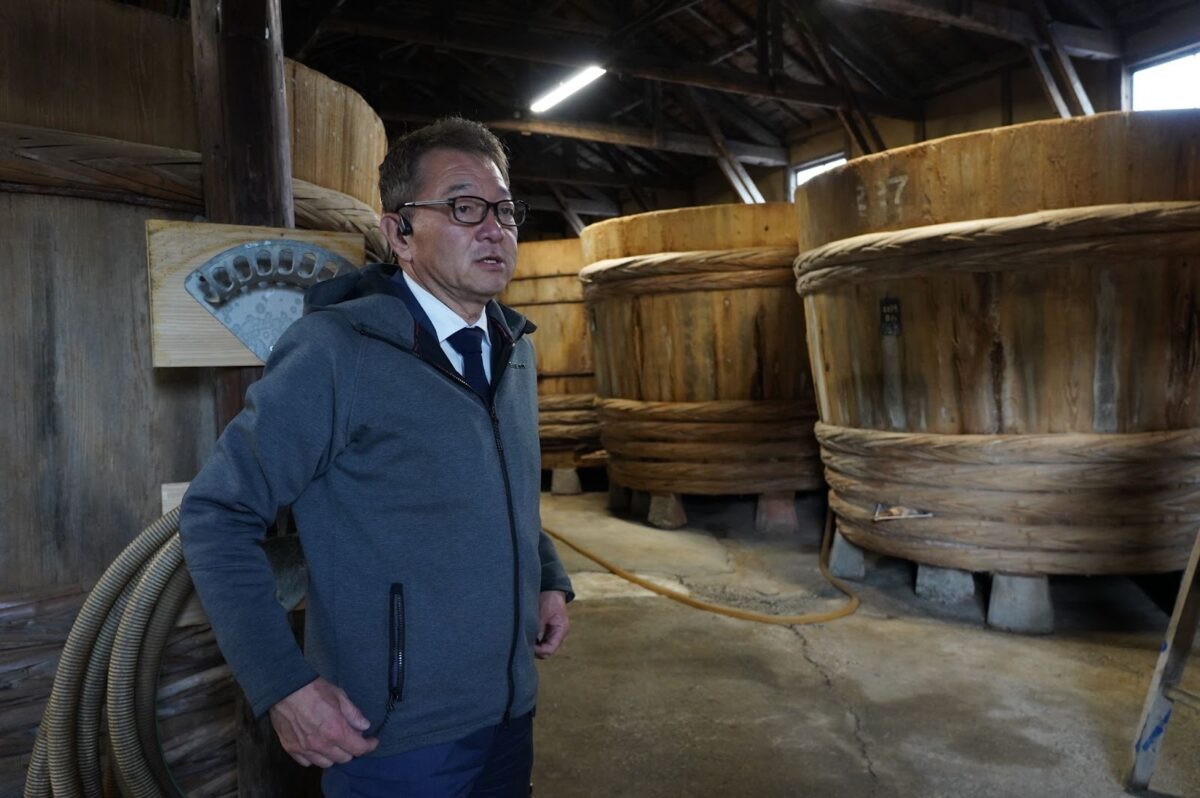
The legacy of Yamashin, based in 1802, is at the moment shepherded by Shinichi Okajima, the eighth era chief. Mr. Okajima is credited with elevating Yamashin’s well-known shiro shoyu (white soy sauce), which is uniquely characterised by its excessive ratio of wheat to soybeans (normally 50/50, whereas Yamashin makes use of 90% wheat), from a regional condiment to a luxury-market ingredient, positioned to be used in worldwide cuisines like French and Italian. Its distinctive potential to boost umami with out imparting darkish coloration is acknowledged. Mr. Okajima was recalled as a person of nice heat and vitality. An admirable rapport along with his group was evidenced, and worth is clearly seen in opening doorways to tourism as a way to strengthen model recognition and showcase artisanal high quality. He’s impressed upon as an astute businessman who balances working a contemporary enterprise with fiercely defending historic roots. This philosophy is completely mirrored within the facility itself, the place a wonderful stability is struck between conventional reverence and pragmatic innovation. A respect for historical past is embodied within the operation, producing a product true to its origins but thoughtfully optimized for a contemporary ecosystem. This measured strategy ensures {that a} beloved, high-quality product can attain extra folks, extra effectively, whereas its excellence is maintained.
Web site
Tackle: 〒447-0064 Aichi, Hekinan, Nishiyama3-36
Experiencing Fermentation Past the Plate
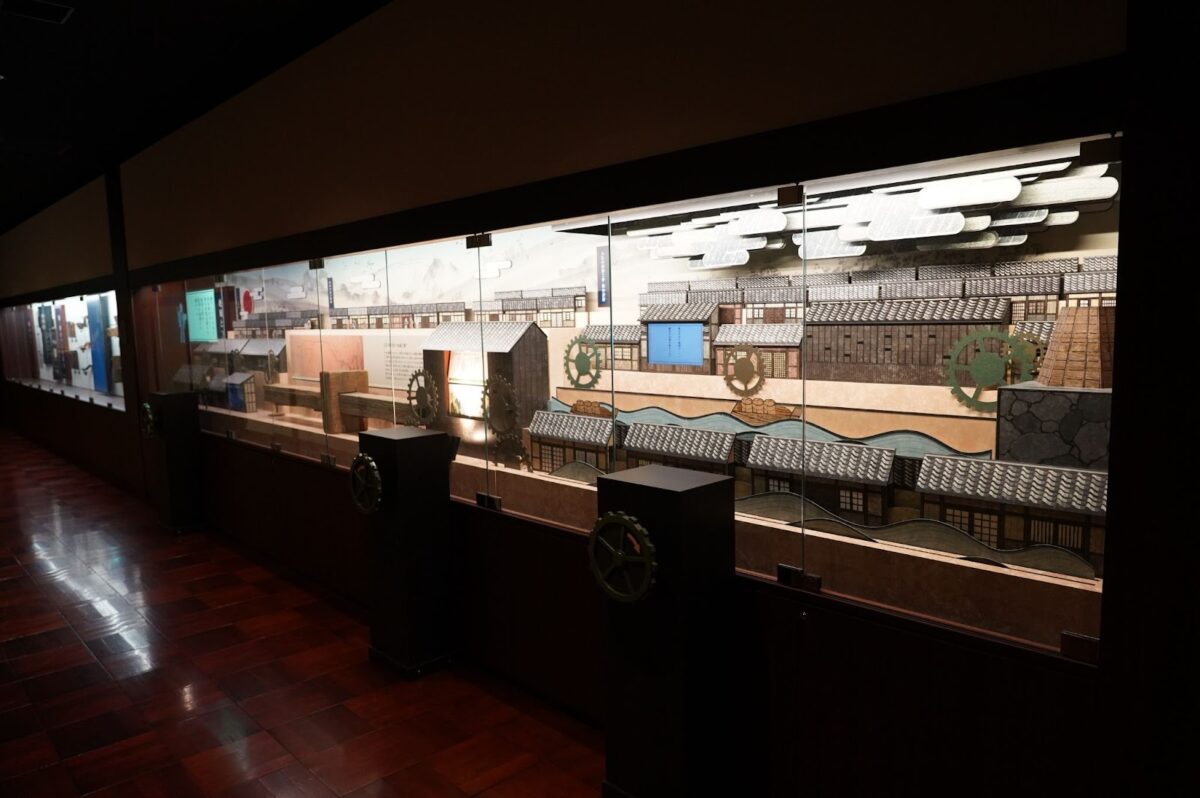
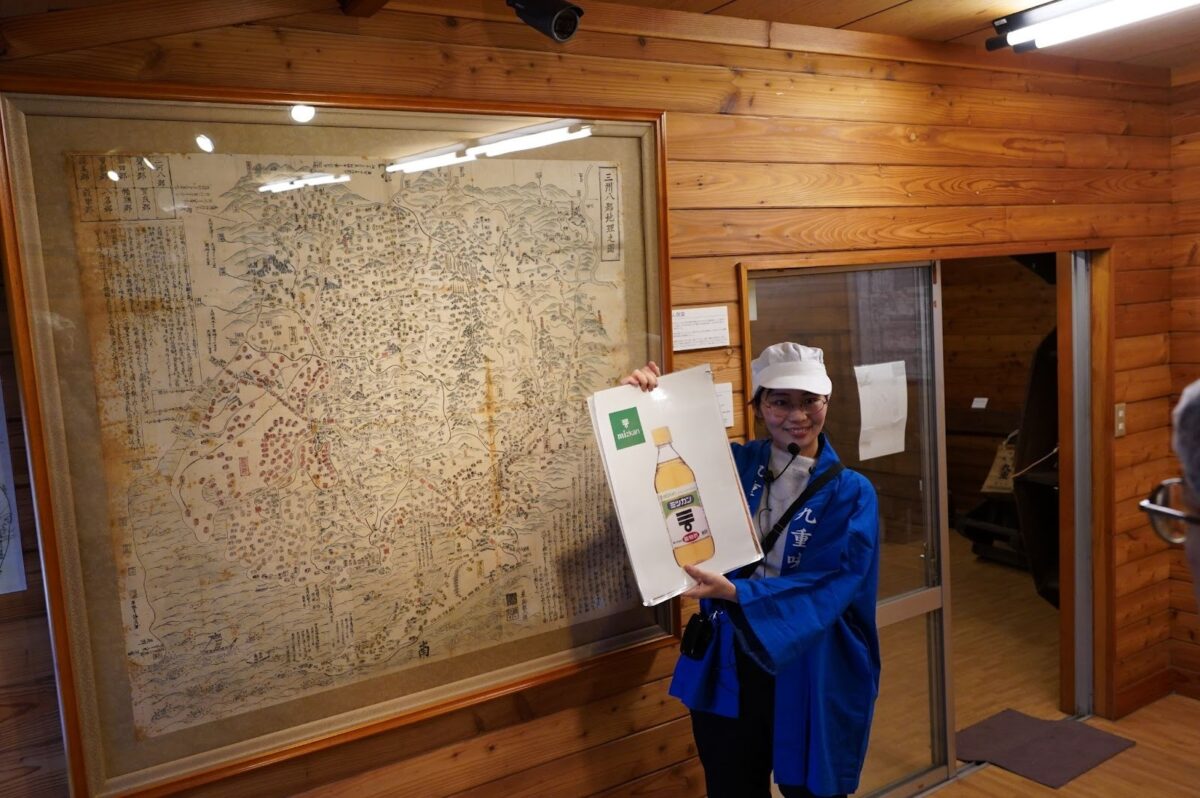
A scale mannequin depicting vinegar manufacturing and transport in the course of the Edo interval, on show on the Mizkan Museum that showcases the brewing tradition of Handa, which has developed alongside the area people by means of mechanical gadgets (brewery, water amenities, and canal formation).
One in every of Aichi’s strengths as a meals vacation spot is how accessible its fermentation tradition is. Many websites welcome guests not simply to watch, however to have interaction.
At bigger establishments like Mizkan Museum, guests find out how vinegar performed a key function in Edo-period meals tradition, together with the rise of nigiri sushi, and sushi as it’s identified now. The expertise is polished and informative, serving to guests grasp the historic significance of fermentation on a nationwide scale.
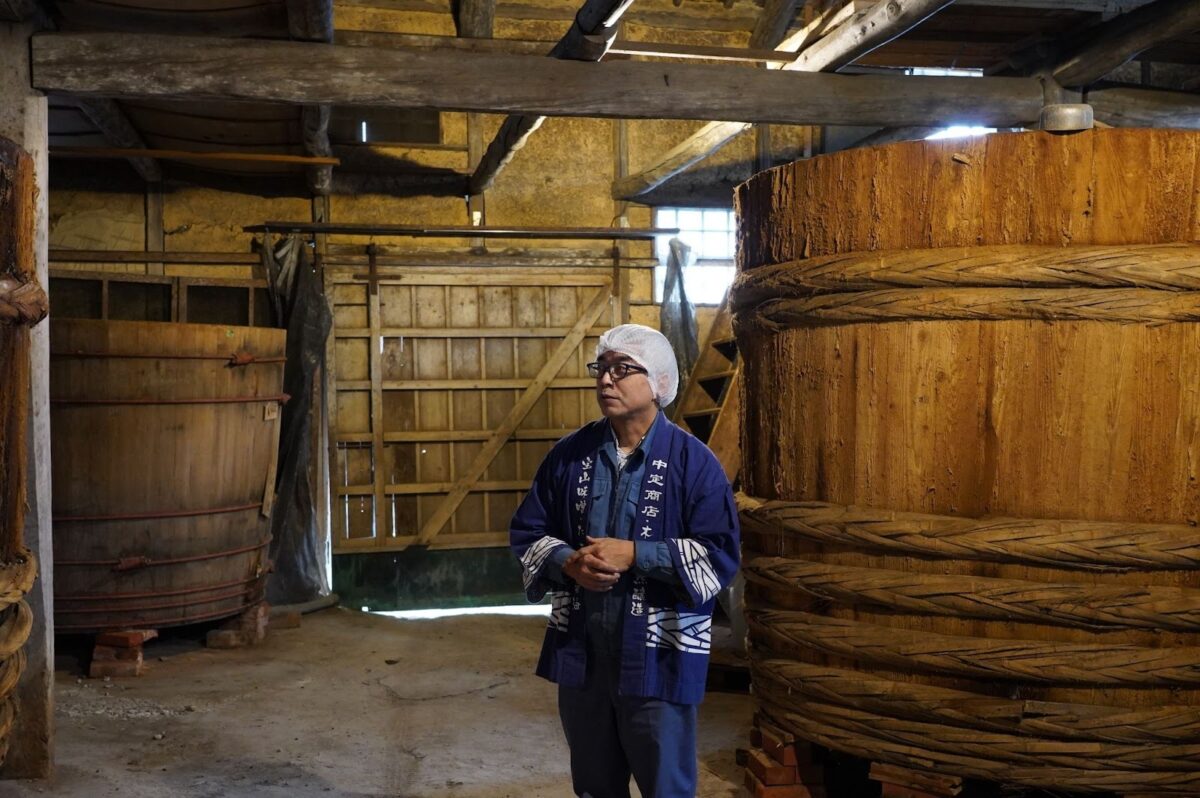
Yasunori Nakagawa explaining wood vats and the manufacturing technique of tamari soy sauce at Nakasada Shoten
Smaller producers usually go away a distinct impression. At locations like Nakasada Store or Sawada Sake Brewery, the environment is extra intimate. Conversations are informal, explanations are sometimes accompanied by charming humor, and tasting straight from vats or tanks creates highly effective sensory reminiscences. Odor, specifically, turns into a trainer: the sweetness of mirin within the air, the sharpness of fermenting soy sauce, the deep earthiness of miso rooms. These moments are inclined to linger lengthy after details fade.
Sawada Shuzo is devoted to upholding particular, time-honored manufacturing strategies, that are the key to their sake’s famend, distinctive high quality:
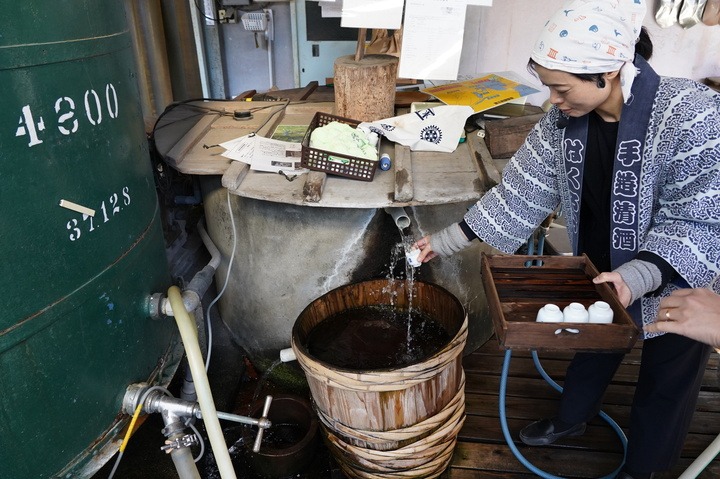
Pristine Water Supply: The important brewing water is sourced from a pure spring, channeled two kilometers from a close-by hill on to the brewery utilizing privately maintained pipes.
Harnessing Nature’s Chill (Ibuki-oroshi): In the course of the colder months, the brewery ingeniously makes use of the Ibuki-oroshi, a chilly wind sweeping in from Mt. Ibuki, north of Aichi Prefecture, to attain environment friendly pure cooling. For this reason the buildings are particularly oriented to face northwest, the course of the wind’s arrival.
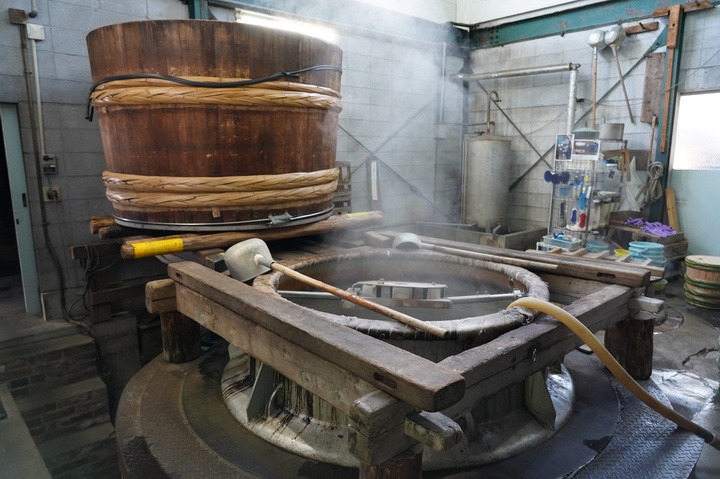
Conventional Rice Steaming: Steaming the rice is a course of that foregoes fashionable equipment in favor of the koshiki, a conventional wood steamer. This traditional instrument is vital to making sure excellent, even warmth retention and exact moisture management.
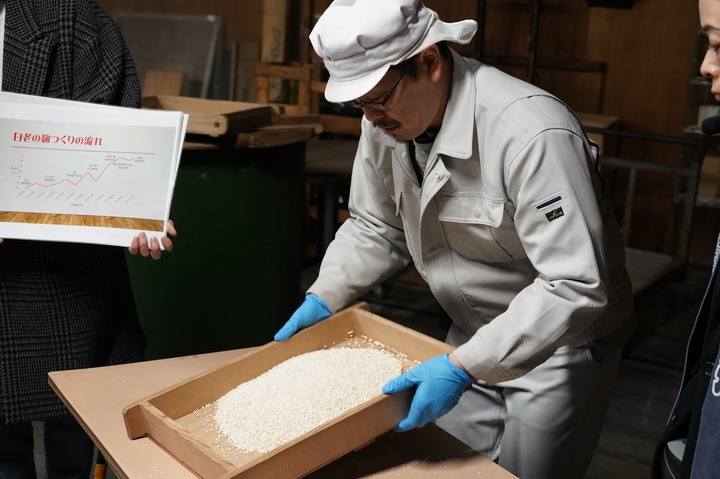
The Artwork of Koji Cultivation: The essential koji cultivation course of is executed utilizing koji-buta: small, particular person wood trays. This meticulous strategy ensures the koji mould adheres uniformly to each single grain, guaranteeing the rice’s inherent umami dissolves utterly to complement the ultimate sake.
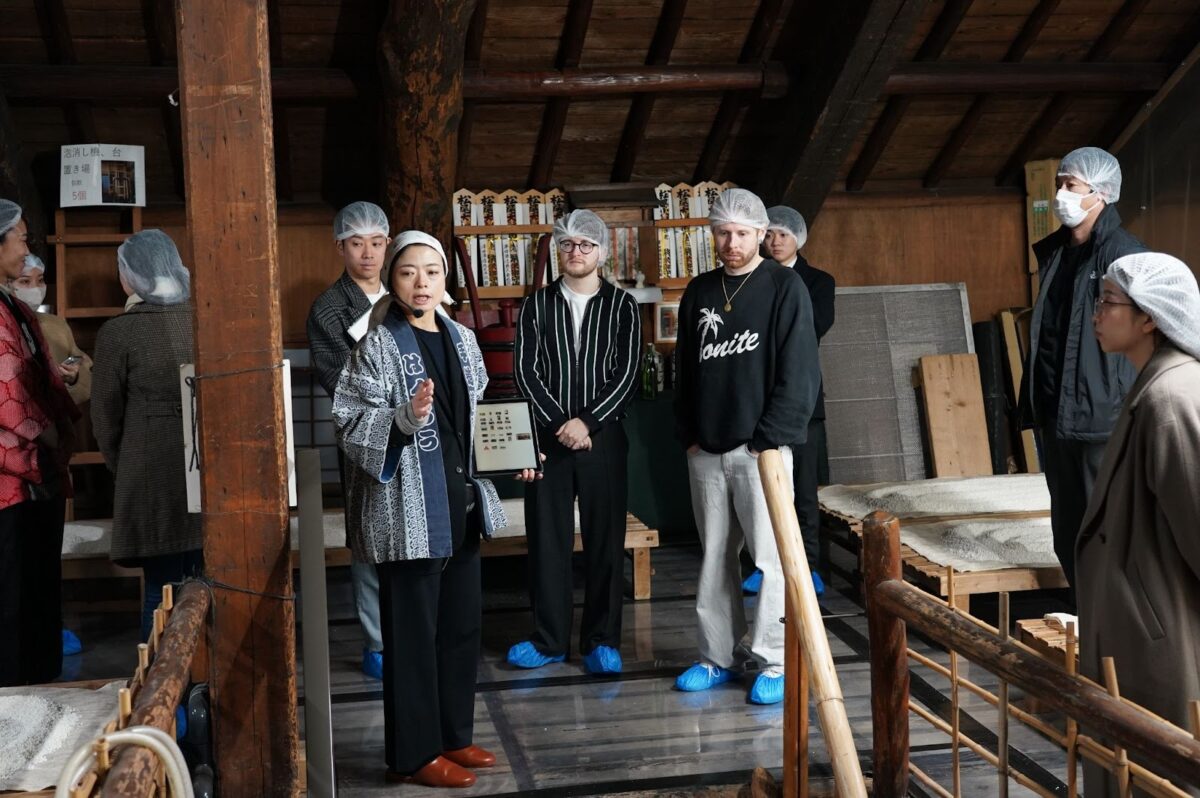
Kaoru Sawada explaining the function of koji-making in sake brewing at Sawada Shuzo
At Kokonoe Mirin, guests find out how mirin, constituted of glutinous rice, rice koji, and shochu, comes collectively to create this distinctive ingredient. Comparisons to easy syrup assist demystify its function, whereas shows of World Expo award certificates trace at its historic world attain.
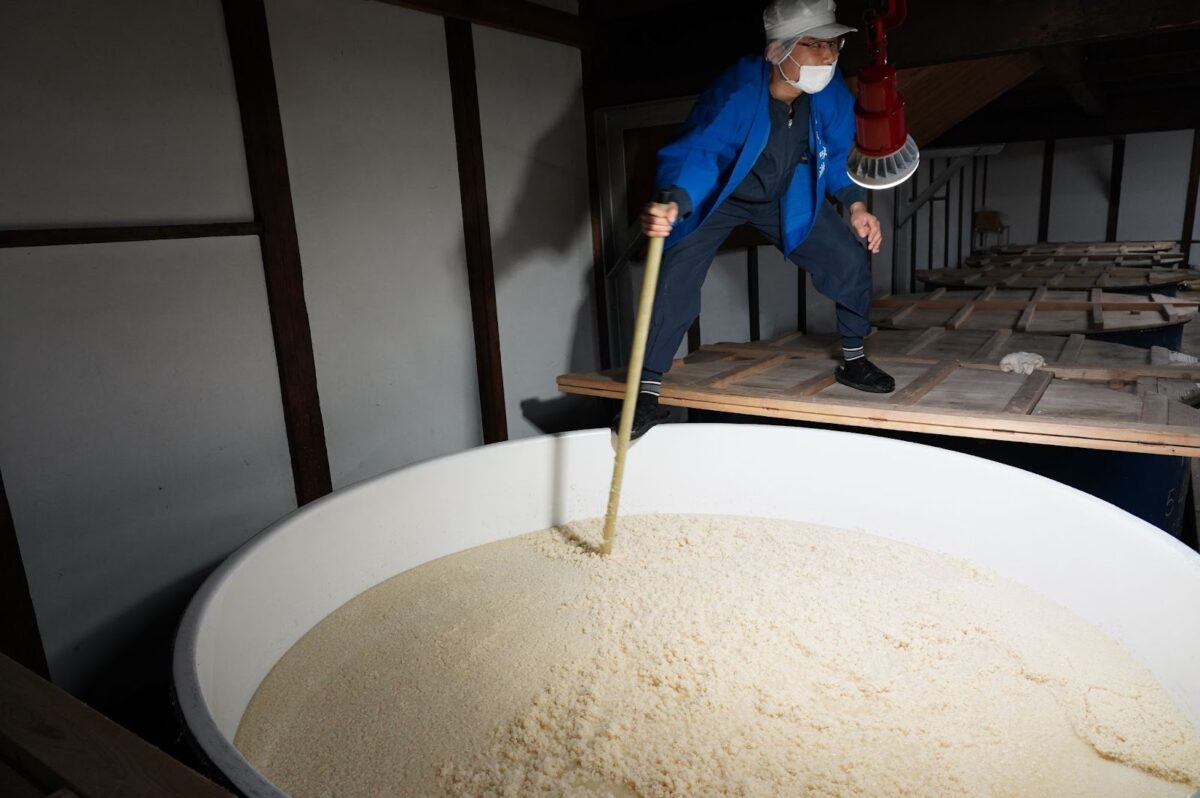
A employees member explaining kai-ire (the stirring course of) Kokonoe Mirin
For these wanting broader context, the Brewing Custom Museum in Taketoyo City ties these threads collectively, explaining how miso, soy sauce, sake, and vinegar industries grew interdependently, sharing supplies, methods, and even philosophies.
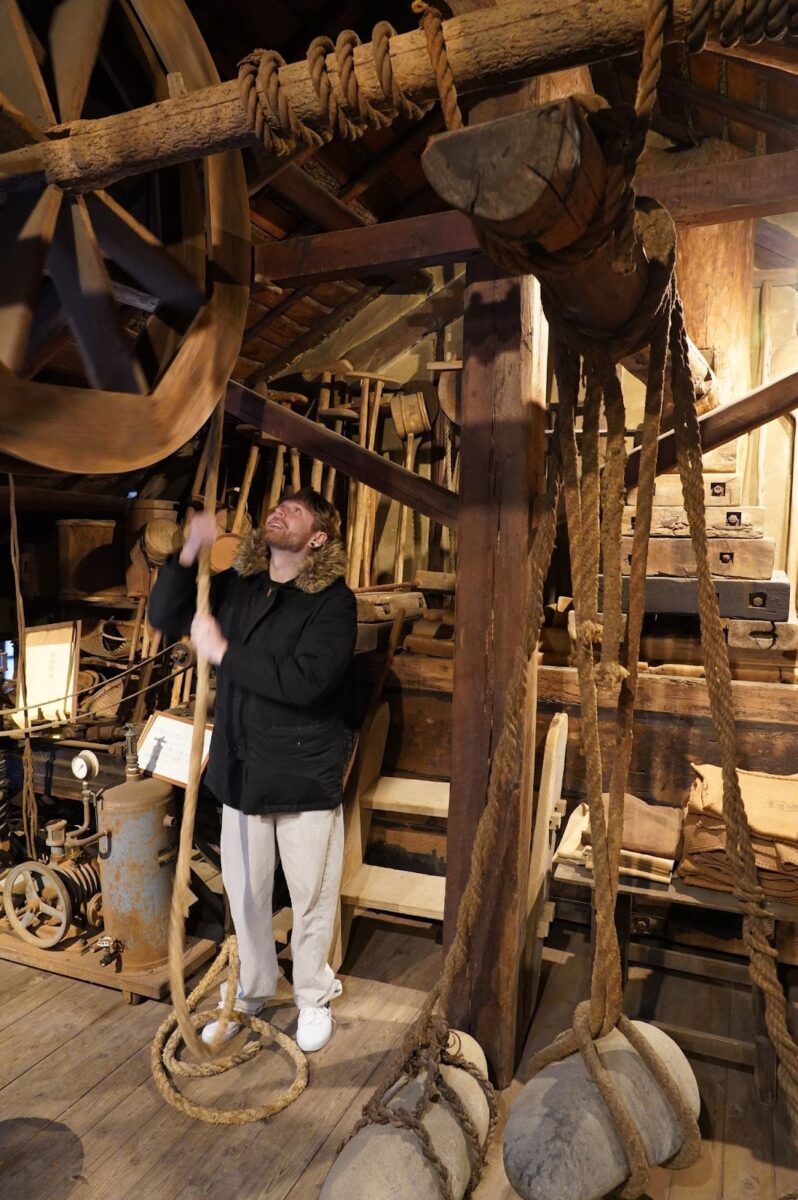
Mizkan
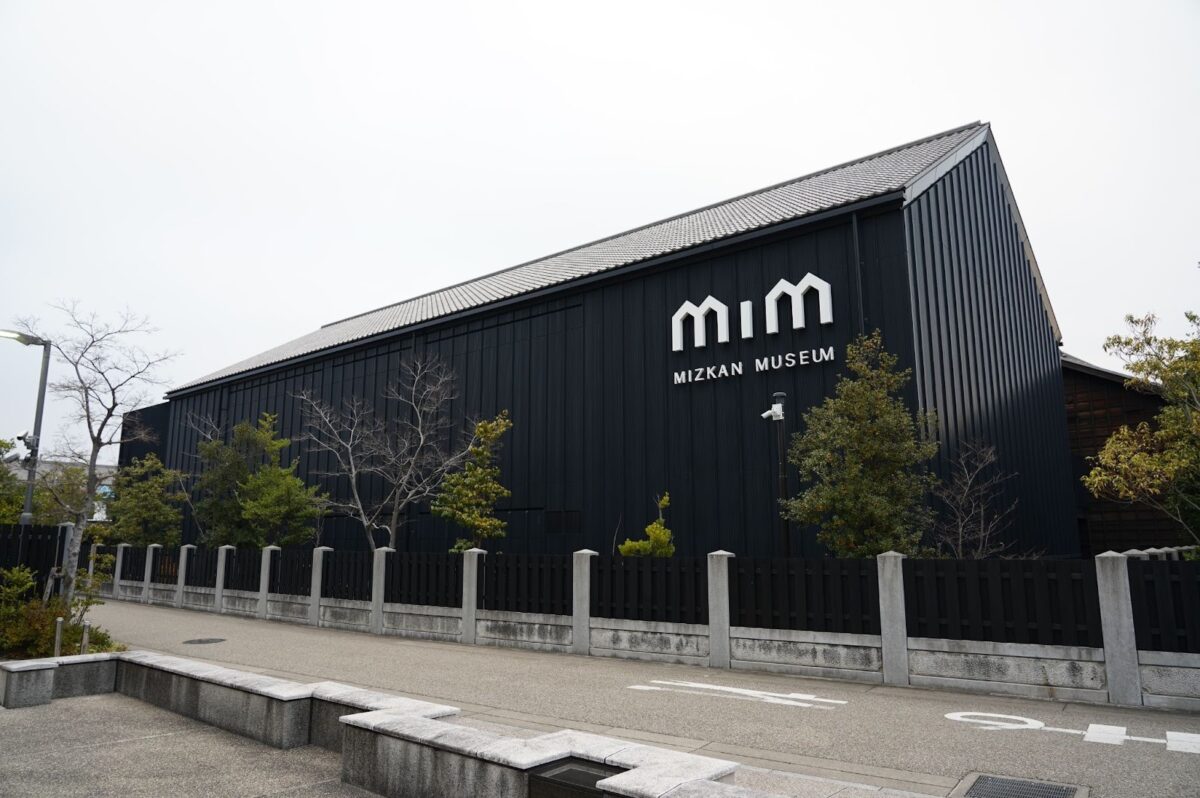
Based in 1804, Mizkan stands as an ecological innovator whose impression profoundly established commerce routes with Edo. The corporate’s rise coincided with the surge in recognition of edomae sushi, for which vinegar was an integral part. This burgeoning demand for vinegar necessitated elevated commerce and, consequently, the ships to facilitate it. The basic genius of Mizkan was a revolutionary and foundational act of taking “waste,” particularly sake lees, and reworking it into vinegar. This distinctive manufacturing technique not solely equipped substances but in addition allowed Mizkan to successfully engineer consuming habits.
The corporate’s philosophy closely celebrates innovation, all the time drawing inspiration from its deep roots. Mizkan efficiently occupies an area that’s each conventional and fashionable, understanding that being forward-moving is its heritage and perpetually valuing its previous successes.
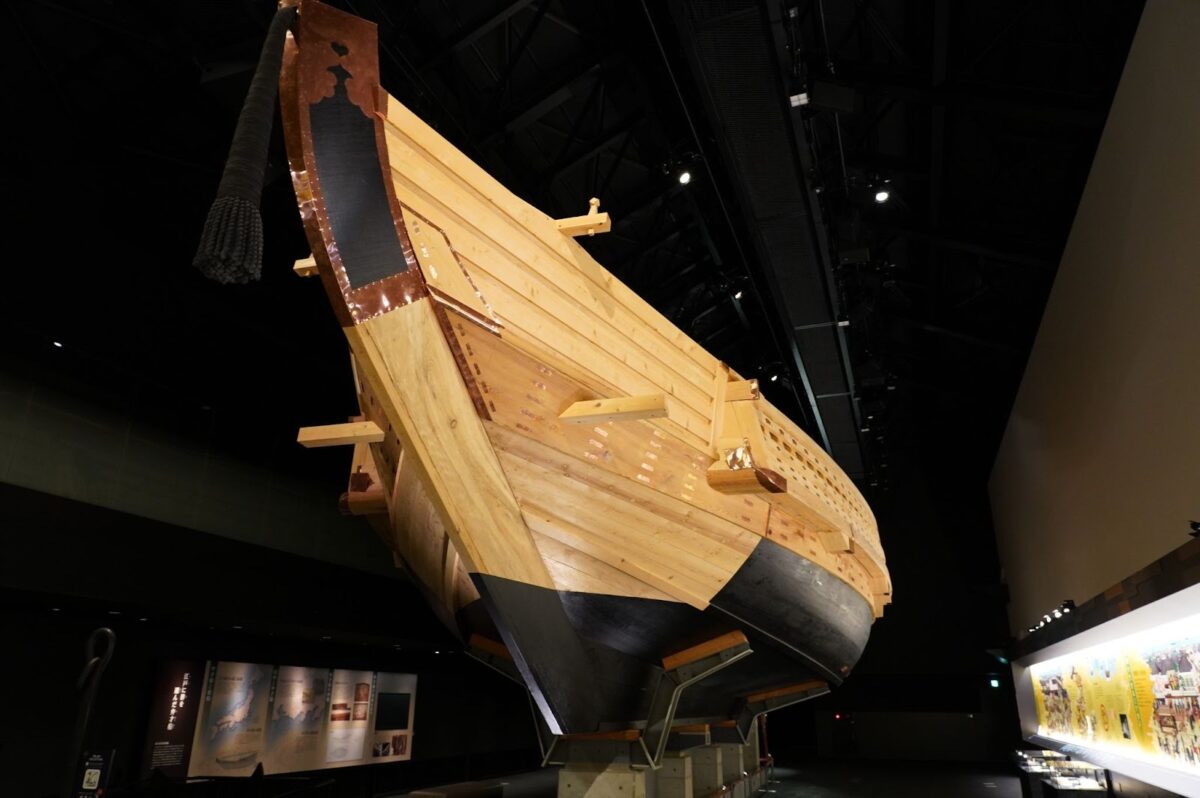
A go to to the museum provides a profound expertise, unequivocally illustrating to the customer the monumental nature of the innovation and implementation of one thing seemingly easy, like vinegar. It serves as a superb instance of the meticulousness inherent in Japanese manufacturing, in addition to the deep worth positioned on heritage. The go to is definite to encourage guests to hunt out dishes crafted with vinegar.
Web site
Tackle:〒475-0873 Aichi, Handa, Nakamura 2-6
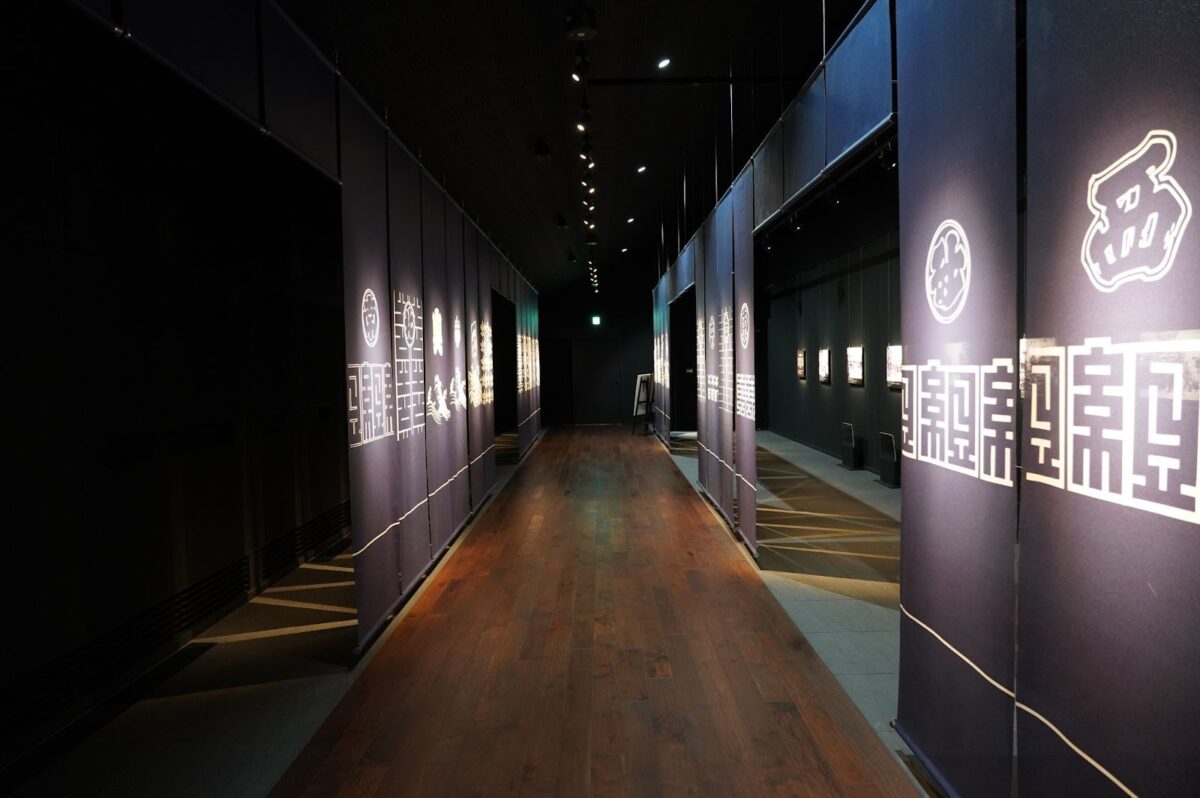
Nakasada Shoten
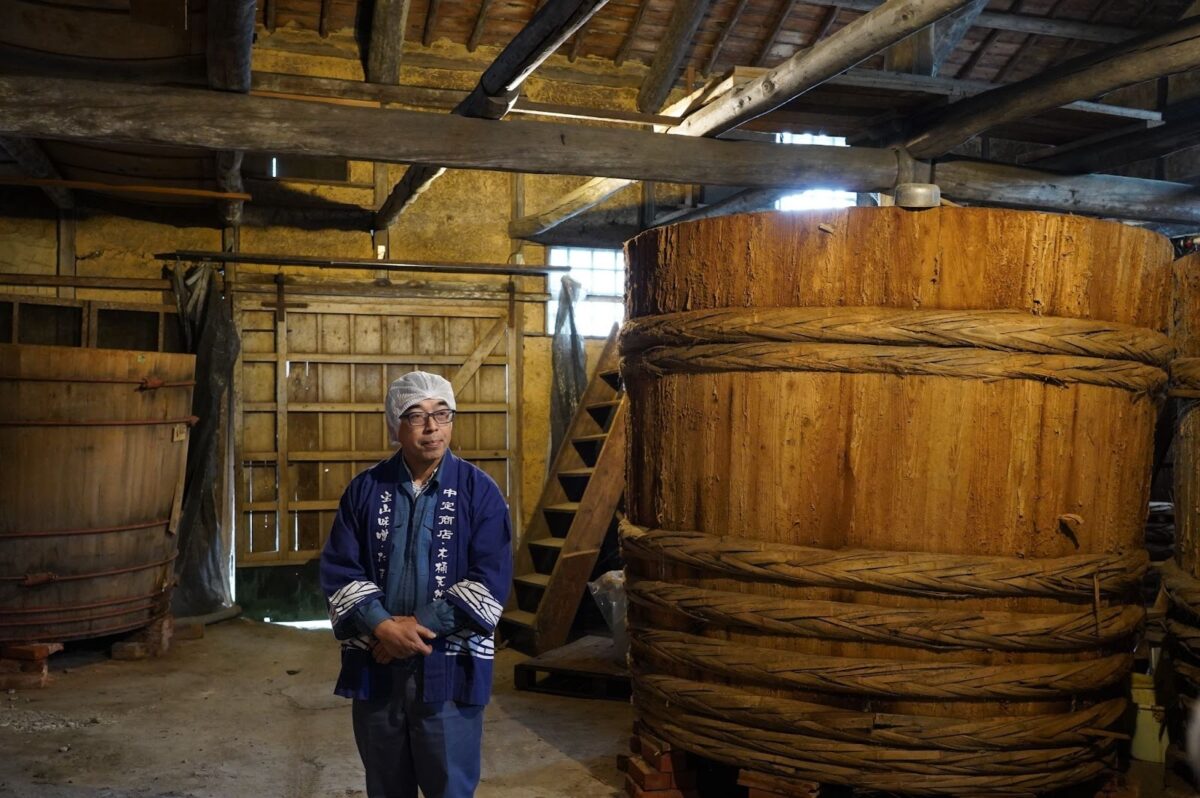
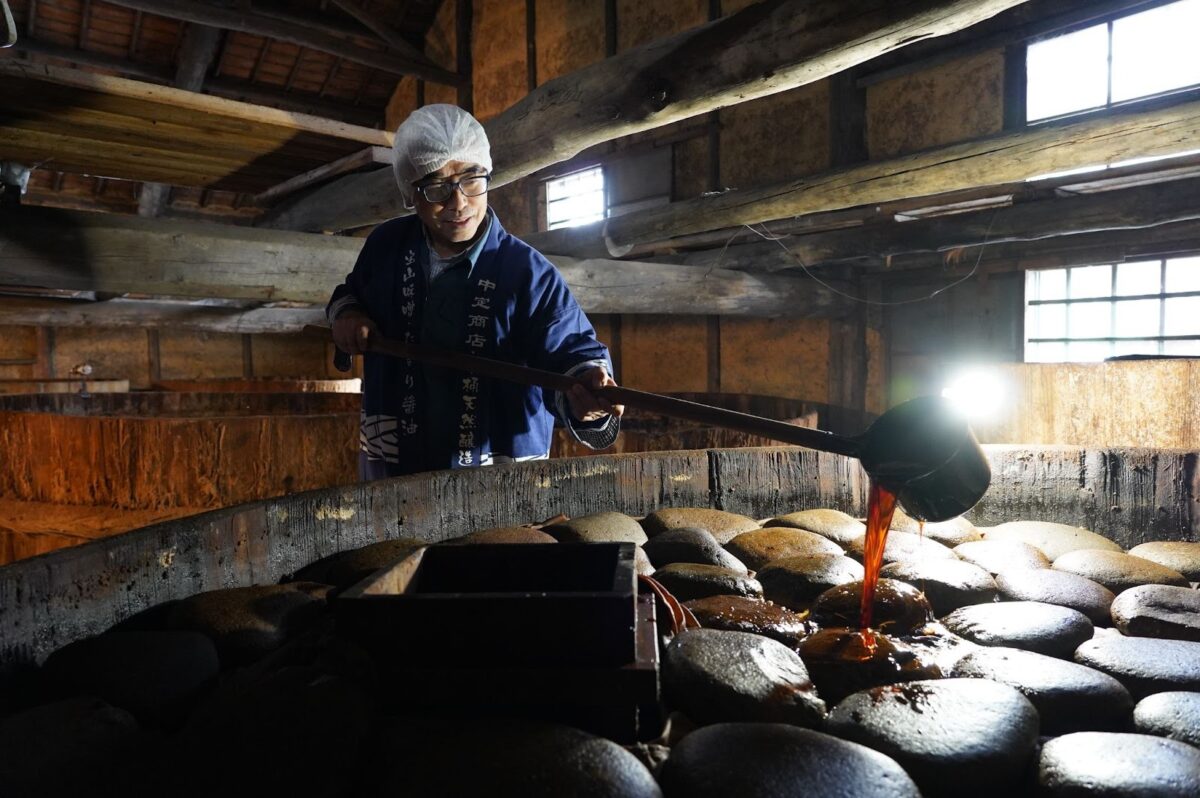
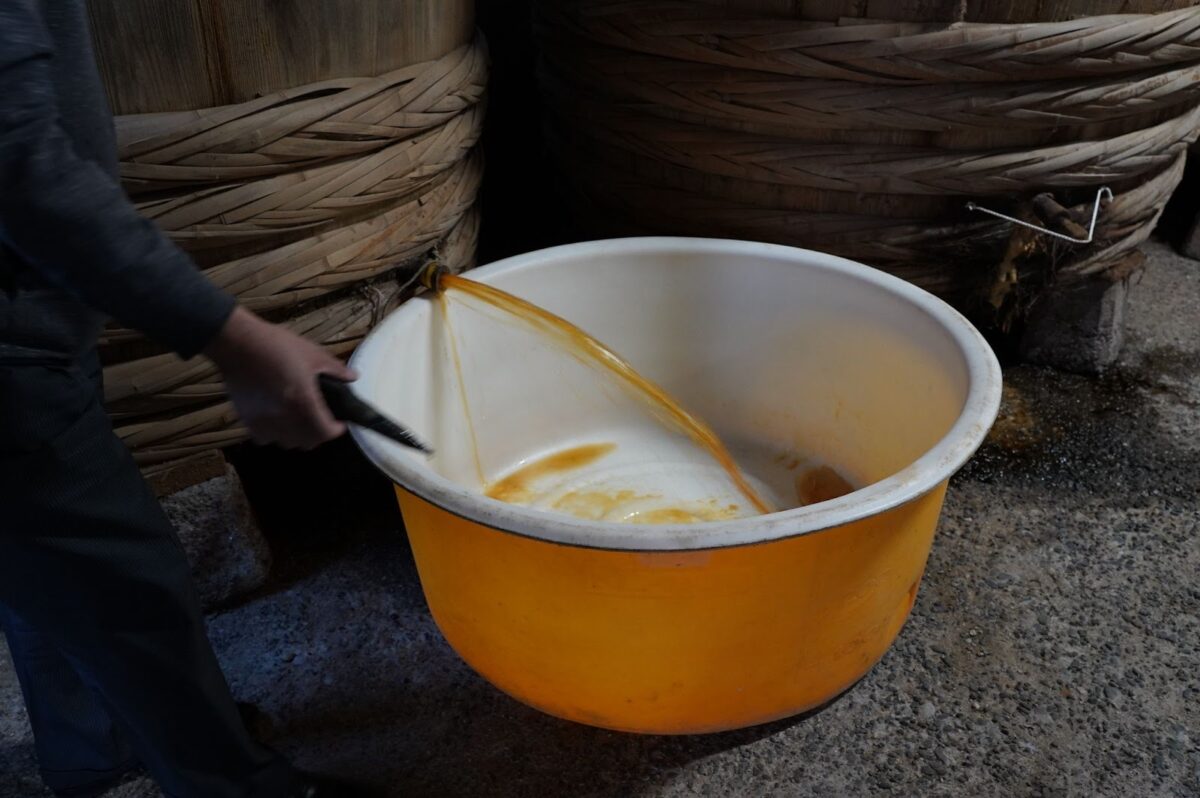
The present CEO, Yasunori Nakagawa, represents the sixth era to steer the corporate, which is legendary for its high-quality tamari soy sauce and miso, and has a historical past stretching again to 1879. One of many defining options of Nakasada Shoten’s manufacturing is the normal kumikake technique. Somewhat than including new substances, this system includes drawing soy sauce that has collected on the backside of a wood vat and ladling it by means of a pipe again excessive layer of soybean mash. By repeatedly circulating the liquid on this means, the wealthy umami of the inside layers is slowly extracted, deepening taste over time.
He joined in 1999 and was appointed Consultant Accomplice in 2003, having change into a part of the household by means of mukoyoshi (son-in-law adoption). His spouse, the rightful inheritor, additionally performs an lively function in working the store. Mr. Nakagawa is a sort, softly spoken, and extremely smart chief. He approaches the enterprise with a compelling mix of scientific rigor and real enthusiasm, and he possesses deep information about each step of the method.
He has a delicate humorousness, too, cracking a witty joke a few help beam within the facility that had been shifted by an earthquake, (and the way he’s ready for it to shift again with the subsequent!). Don’t fear, it’s completely secure. The ability itself is a testomony to the corporate’s lengthy historical past. It seems that adjustments have solely been made out of absolute necessity; this preservation contributes to the product’s perceived purity, deeply rooted in its origins.
Web site
Tackle:〒470-2343 Aichi, Chita, Taketoyo, Komukae 51
Sawada Shuzo
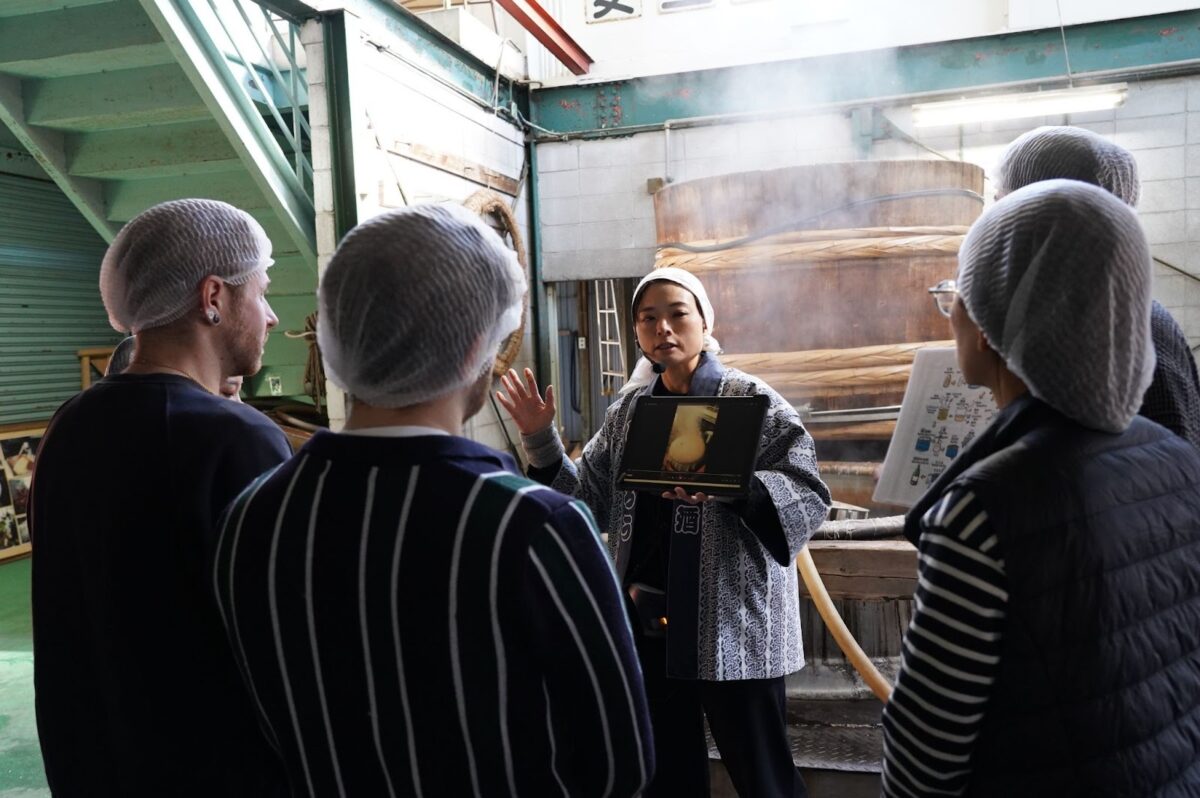
Based in 1848, Sawada Shuzo, a famend brewery well-known for its sake, is at the moment led by the exceptionally assured and educated Sixth-generation head, Kaoru Sawada. Her eloquence and approachable demeanor are matched by her deep dedication to high quality, a dedication she likens to caring for her personal youngsters: every sort of sake a singular creation that requires love and care. She claims to be unable to drink that a lot alcohol, however can undoubtedly consider the standard. Whereas her husband, Govt Vice President Hidetoshi Sawada, works straight on the brewing flooring, Kaoru guides the ability’s operations. The brewery itself masterfully incorporates its lengthy historical past into its present-day operations, the place the evident dedication to high quality, instinctive flexibility, and operational effectivity be sure that each historic construction and gear serves a transparent, fashionable objective. This dedication consists of distinctive manufacturing strategies, reminiscent of their particular means of blending in koji mould into the rice by hand repeatedly in several patterns.
Web site
Tackle: 〒479-0818 Aichi, Tokoname, Koba 4-10
Kokonoe
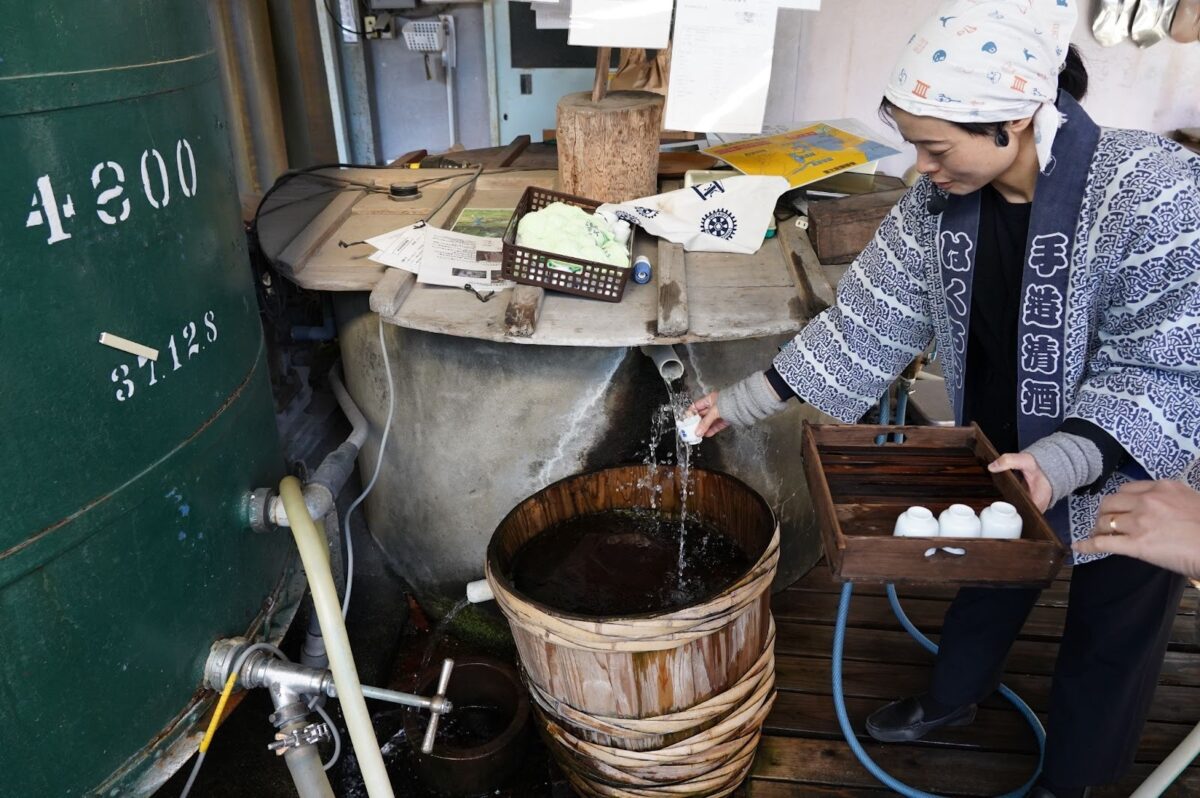
Based in 1772, Kokonoe holds a distinguished place as one of many oldest mirin breweries in Japan the place Mikawa mirin was born, making it one of many established authorities on its manufacturing. The key to their distinctive taste lies within the very construction of their 1706-built warehouse, which was astonishingly relocated in 1787. The resident microbes inside the aged wooden impart a singular aroma, important to their Mirin product’s distinctive style. This conventional technique depends on pure saccharification and ripening, the method of changing starch into sugar, which sweetens the mirin with out the necessity for any added sugar. This unbelievable mixture of historical past and high quality has made Kokonoe an important model amongst discerning cooks.
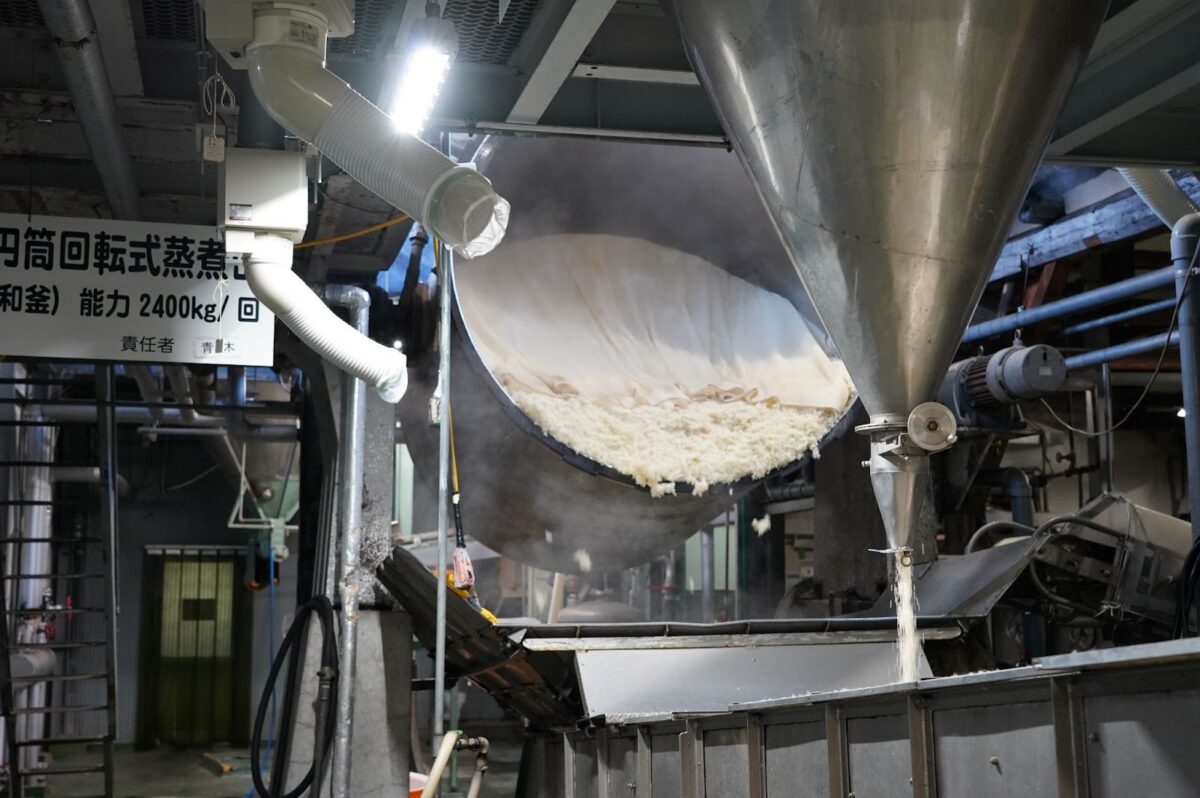
A stroll by means of the historic warehouse is a powerful expertise, significantly when the large portions of cooked glutinous rice are being poured out. The ensuing aroma is profound; intensely palpable and nice, but by no means overwhelming. It’s a scent that instantly sparks starvation and a way of calmness. The employees, from the brewers to the guides, seem genuinely excited and enthusiastic to be a part of an institution so long-standing and prestigious.
Web site
Tackle:〒447-0845 Aichi, Hekinan, Hamaderamachi 2-11
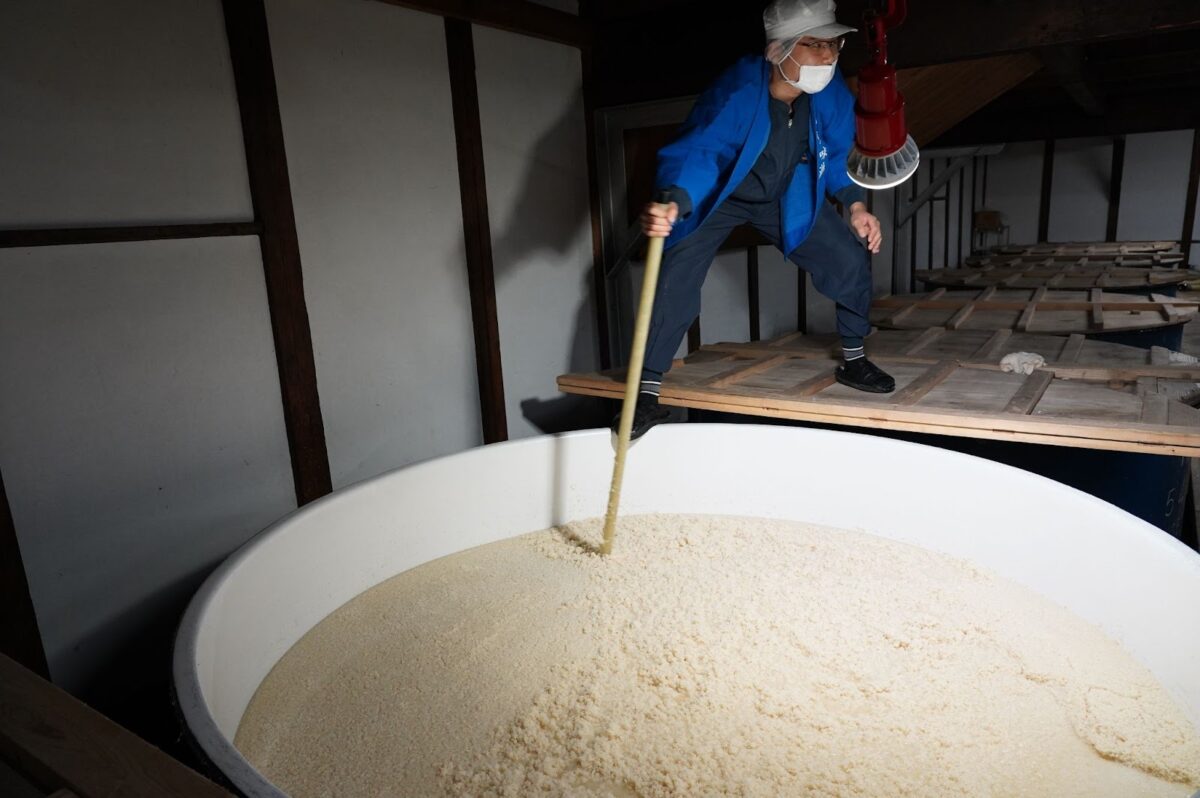
Craft, Individuals, and the Feeling of One thing Alive
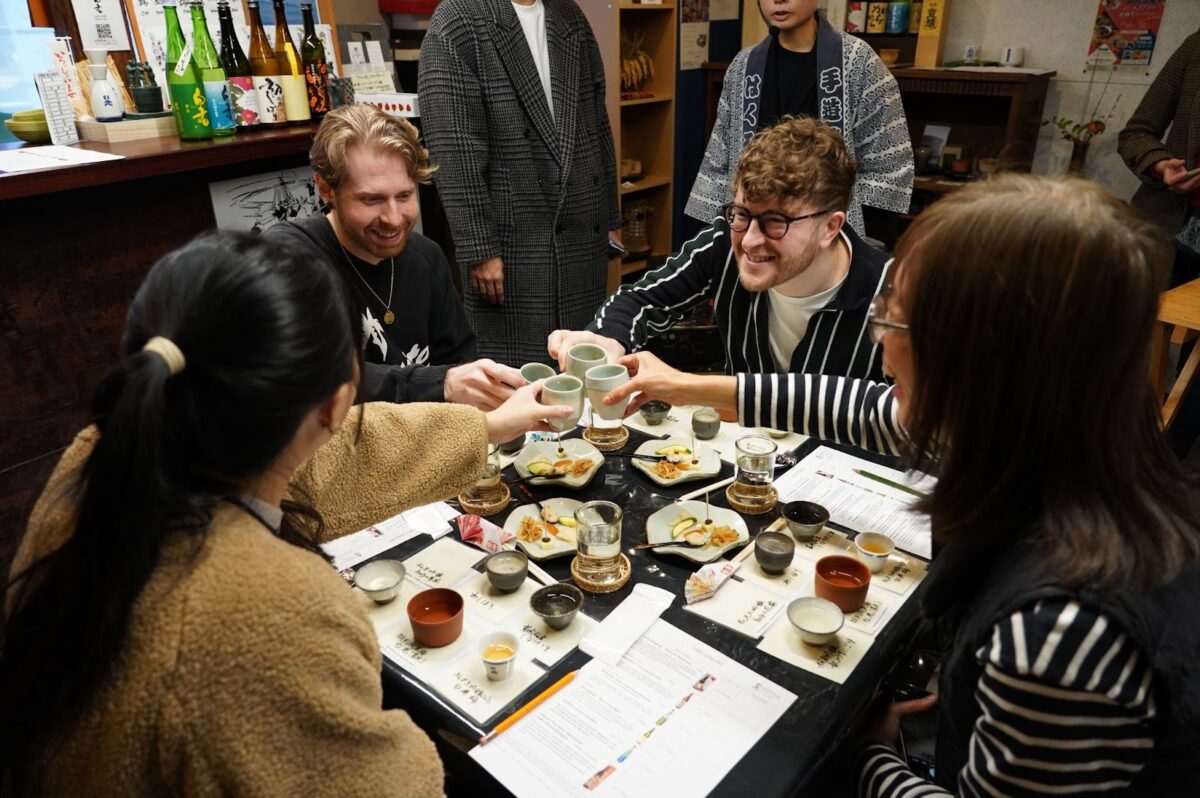
What many guests discover is that fermentation in Aichi doesn’t really feel staged. Flooring are worn. Buildings lean barely. Wood vats darken with age. Time is seen in every single place.
Information right here usually seems embodied reasonably than written. Brewers alter actions instinctively. Each function and each step of the method is handled as essential. In truth, the stones which might be stacked on high of the combination of substances that change into miso are stacked with unbelievable precision: this function takes about 10 years to grasp, with these masters claiming that every stone has a “face” which permits them to know precisely the place to put it. These tales are ample and sometimes paired with a lighthearted perspective; you’ll be fortunate to fulfill the folks concerned.
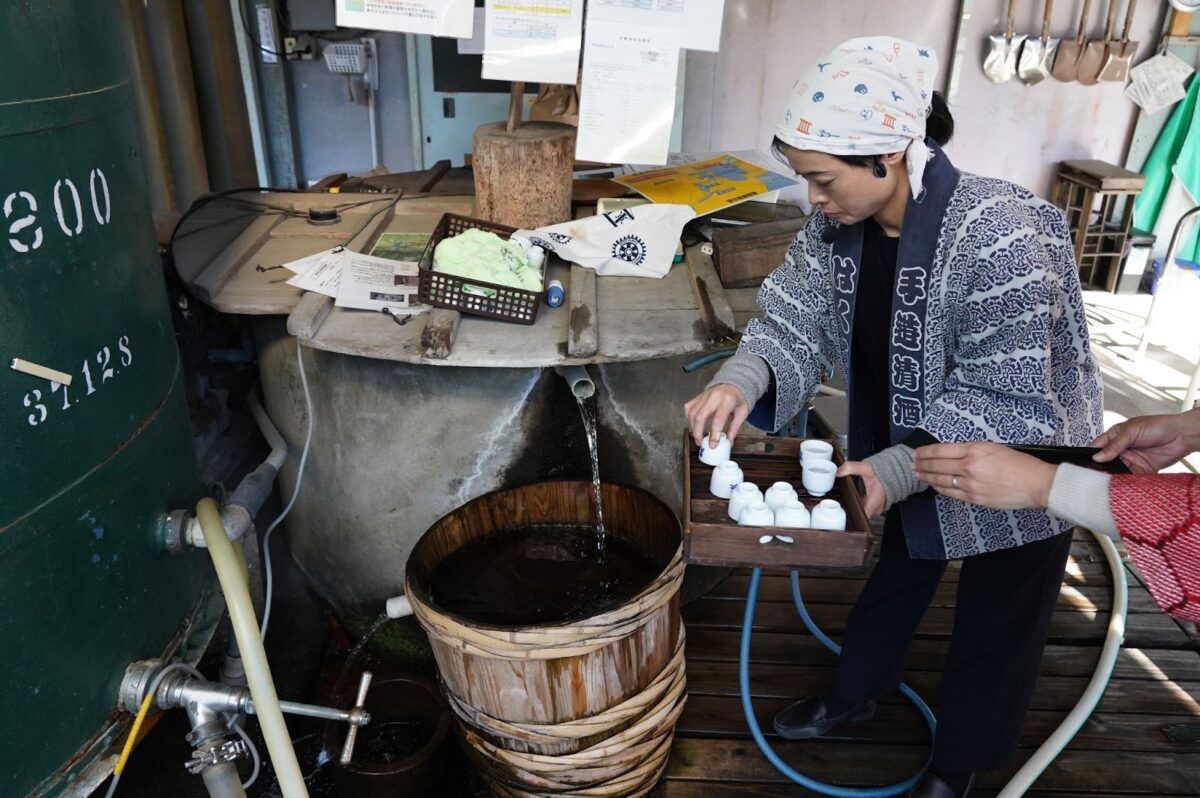
Management additionally feels private. Brewers describe merchandise as dwelling issues. Household successors communicate much less about legacy and extra about duty. Even sensible choices, like buying additional wood vats to guard the deep heritage of the vat-making craft because the trade shifts to cheaper merchandise, mirror a broader sense of care over management.
Sensible Journey Planning for Meals Lovers
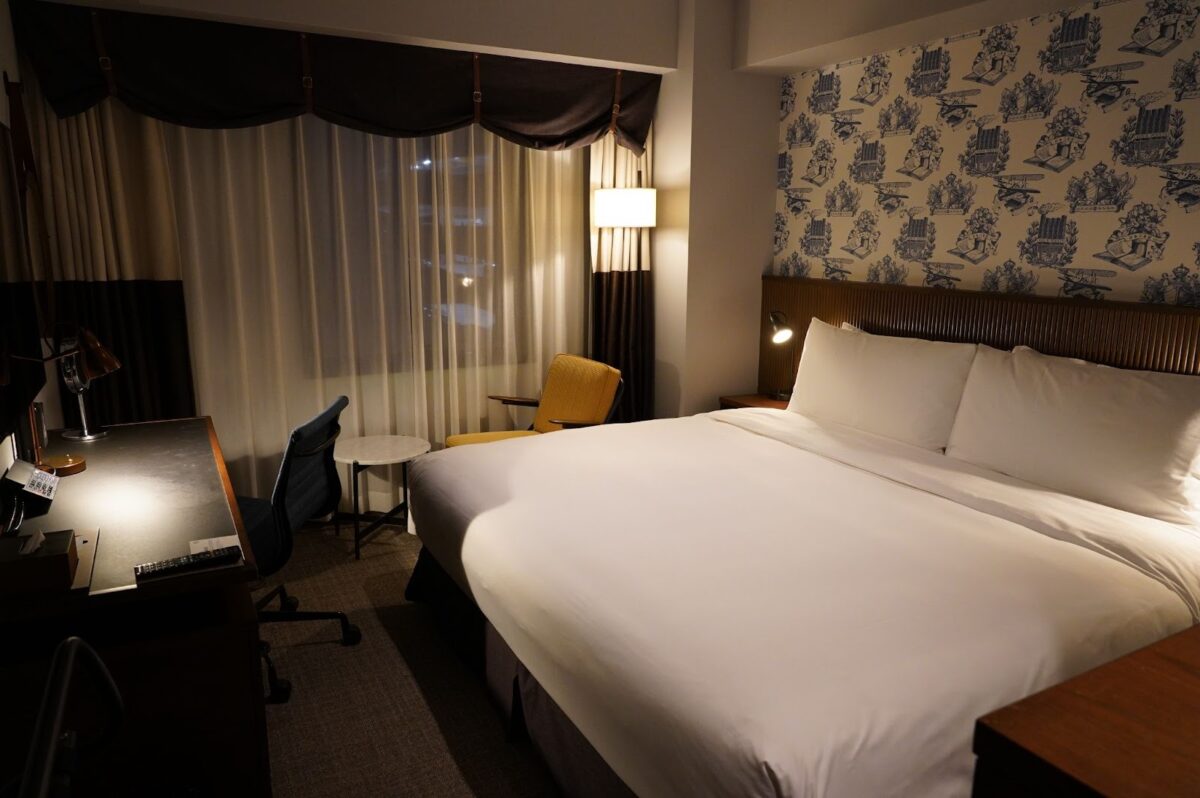
Nagoya is simple to succeed in from Tokyo and Osaka by Shinkansen, and worldwide vacationers arrive through Chubu Centrair Worldwide Airport (NGO). For these exploring fermentation websites across the Chita Peninsula or planning early departures, the 4 Factors by Sheraton Nagoya Chubu Worldwide Airport provides a supremely handy and comfy base.
The resort is situated very near the airport terminal with a lined walkway in an element, making it a super selection for vacationers. It takes about six minutes to stroll from the airport’s practice station, which provides speedy entry to central Nagoya (Meitetsu-Nagoya Station) in lower than an hour (not less than half-hour) through the Meitetsu μ-SKY Restricted Specific. This direct connection makes it a superb launchpad for exploring the broader area.
This resort supplies upper-level consolation with important facilities to make sure a nice keep. Visitors can get pleasure from complimentary high-speed Wi-Fi all through the property and a contemporary 24-hour health heart. It’s also a superb selection as a result of it combines fashionable consolation with exquisitely ready meals that includes the flavors of Aichi into scrumptious dishes. The way in which that fermented meals can improve dishes with umami and different notes is unbelievable. If you wish to see simply how spectacular it may be, you’ll want to order their specialty gadgets on the on-site restaurant, Evolution. Entrees, aspect dishes, drinks, and desserts all have Aichi’s excellent array of taste integrated fantastically.
Most fermentation locations are accessible by practice, bus, and brief taxi rides, making it possible to discover with out a automobile, utilizing the resort’s wonderful connectivity as your start line.
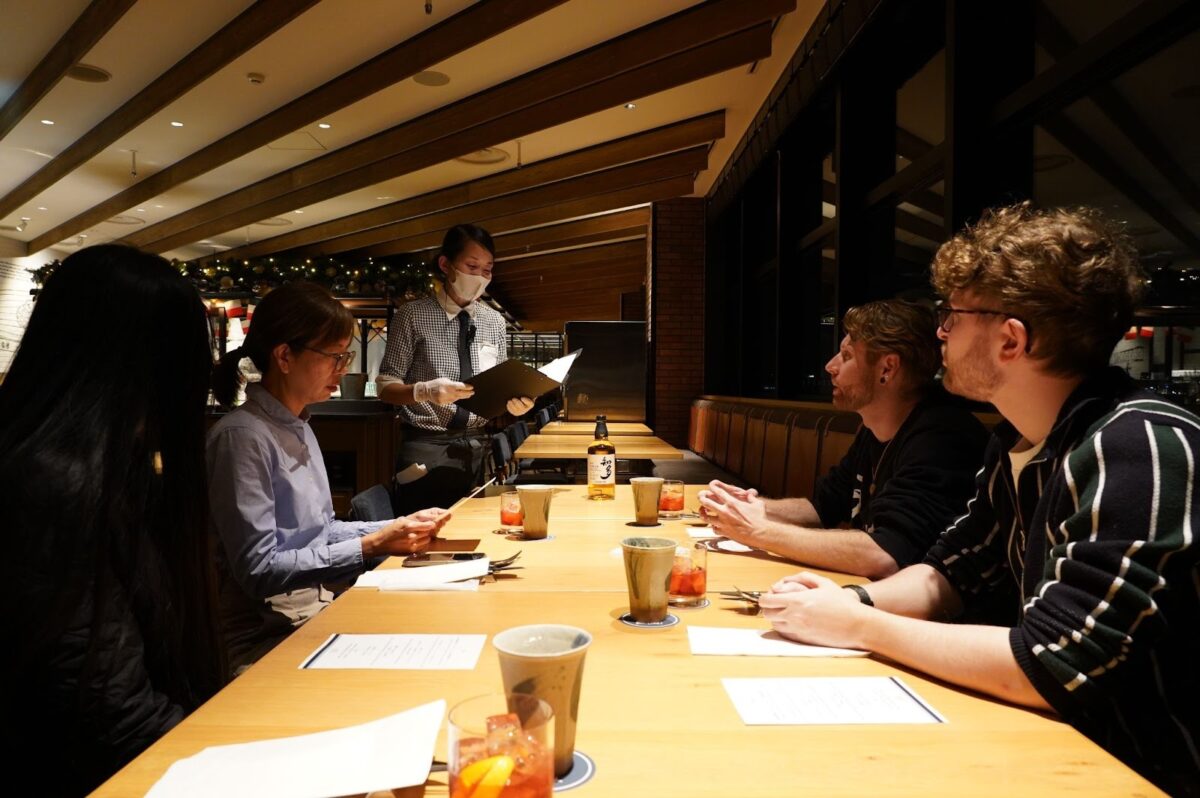
Dinner at 4 Factors by Sheraton Nagoya Chubu Worldwide Airport
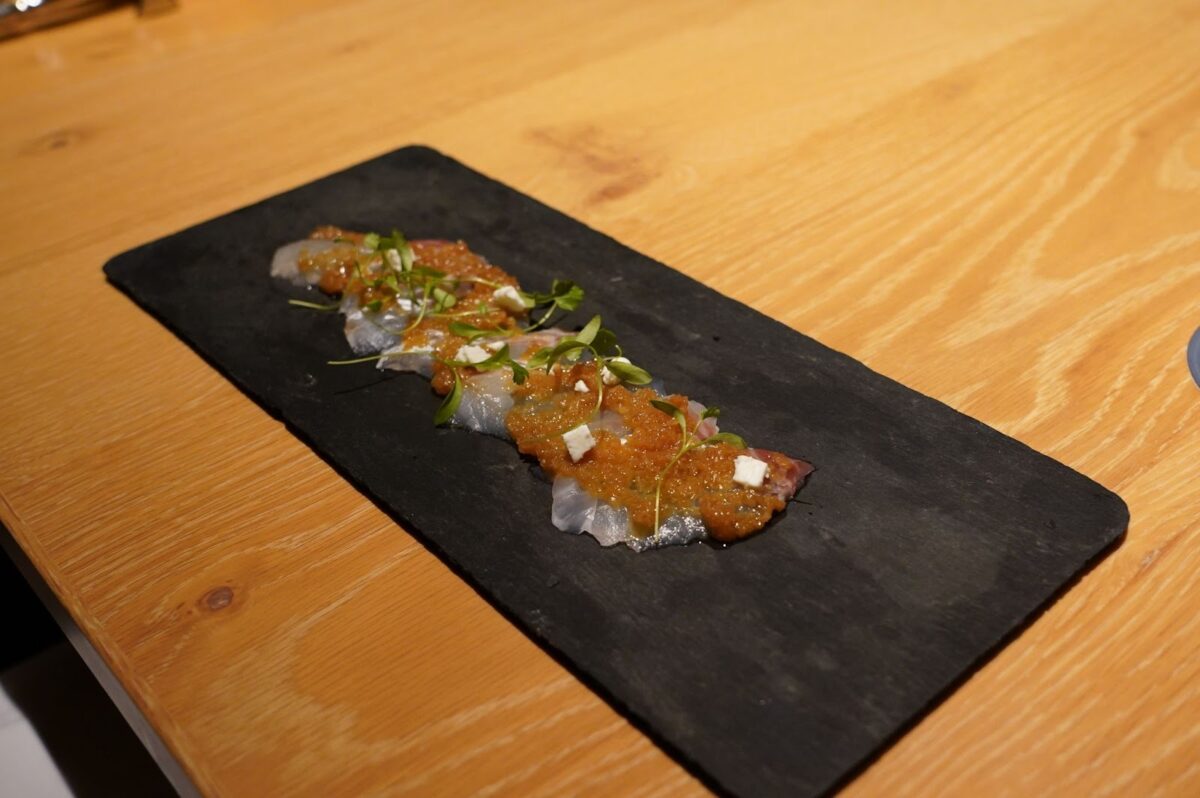
Carpaccio of Kumano Sea Bream with ginger & Toyota soy sauce dressing (Kinshibori tamari)
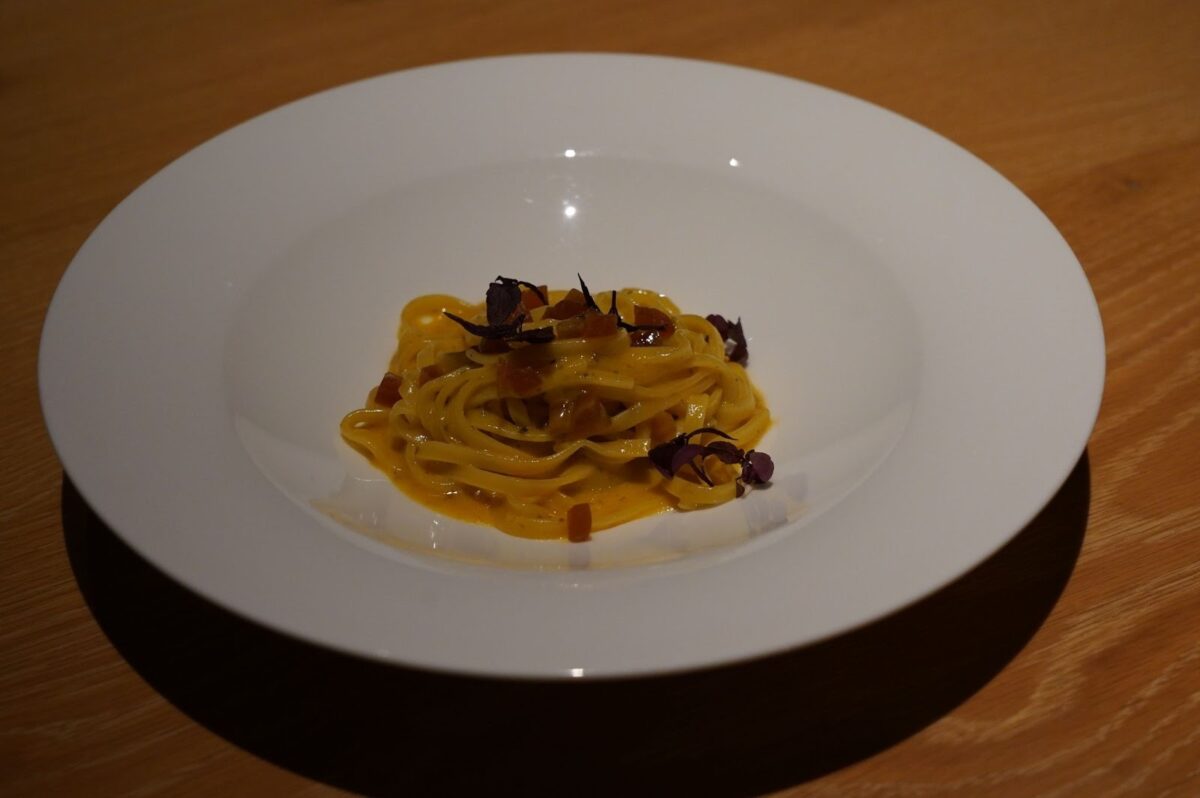

Carbonara with Moriguchi radish & anchovy/capers (Moriguchi narazuke)
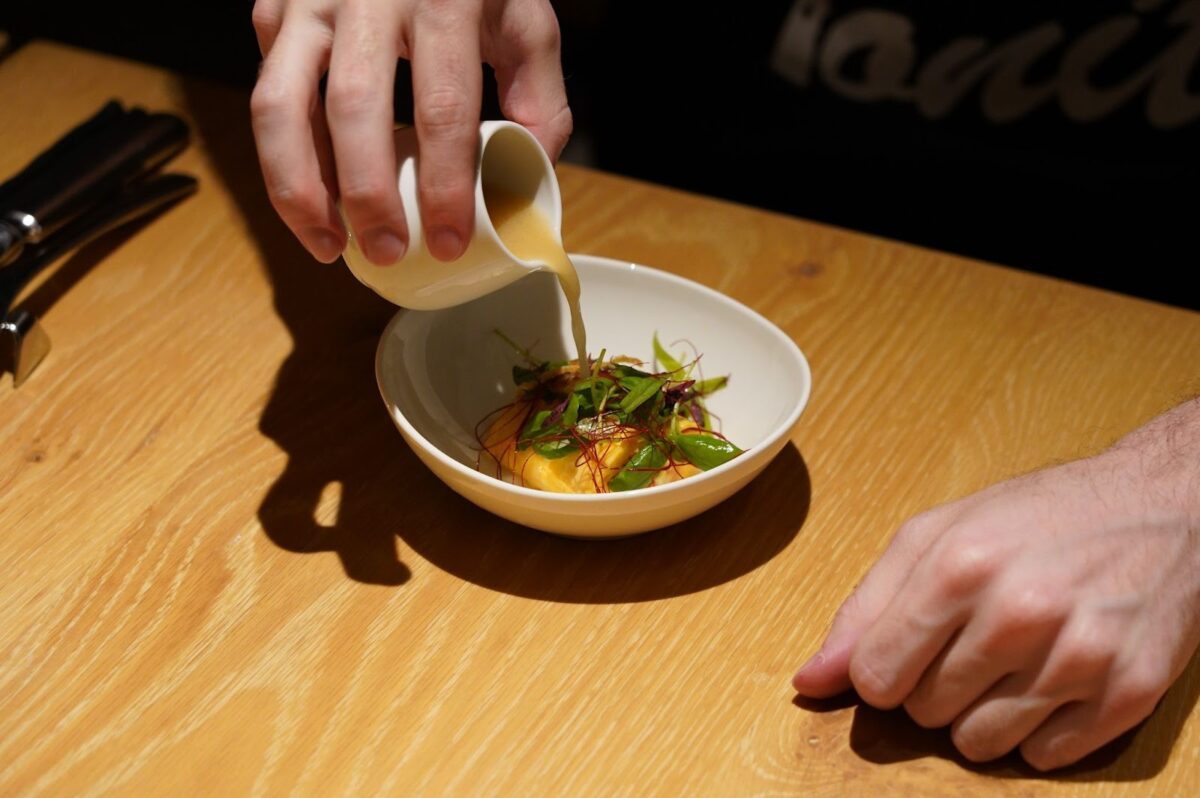
Crab omelette with wasabi mayo, white miso & mustard broth (Toyota Masuzuka uncooked koji miso)
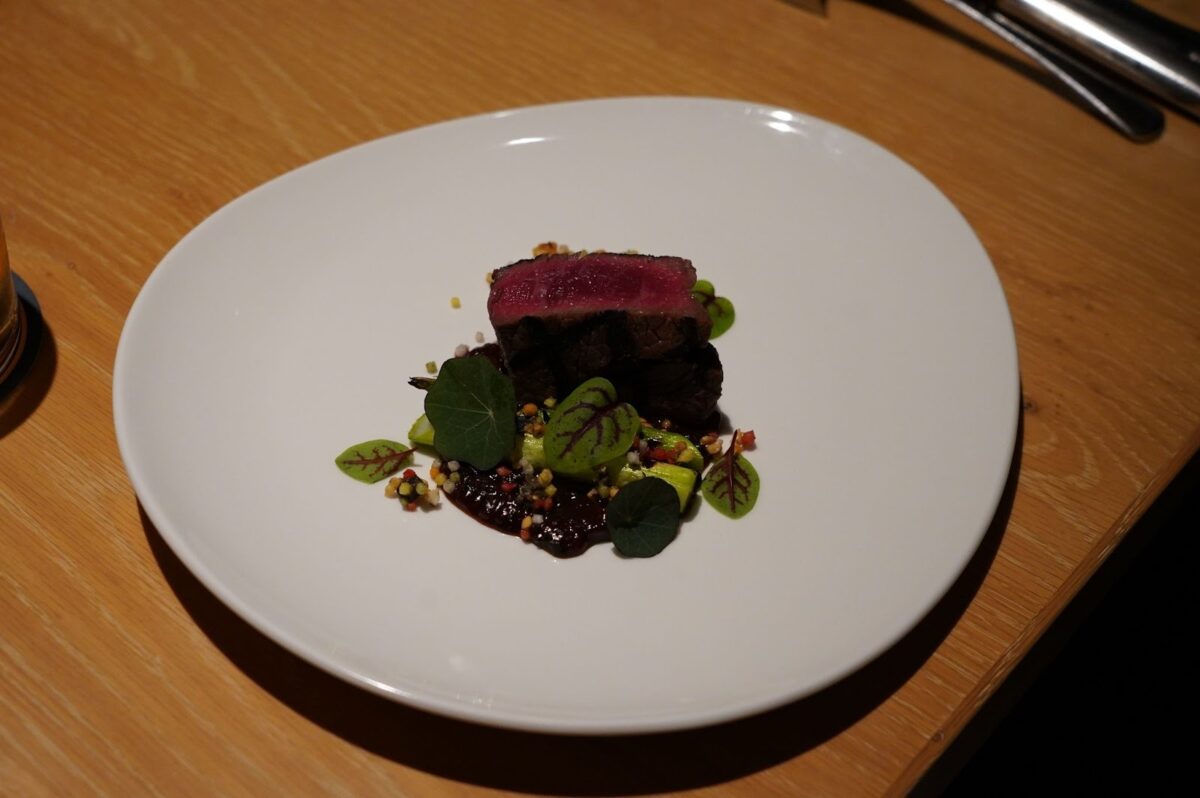
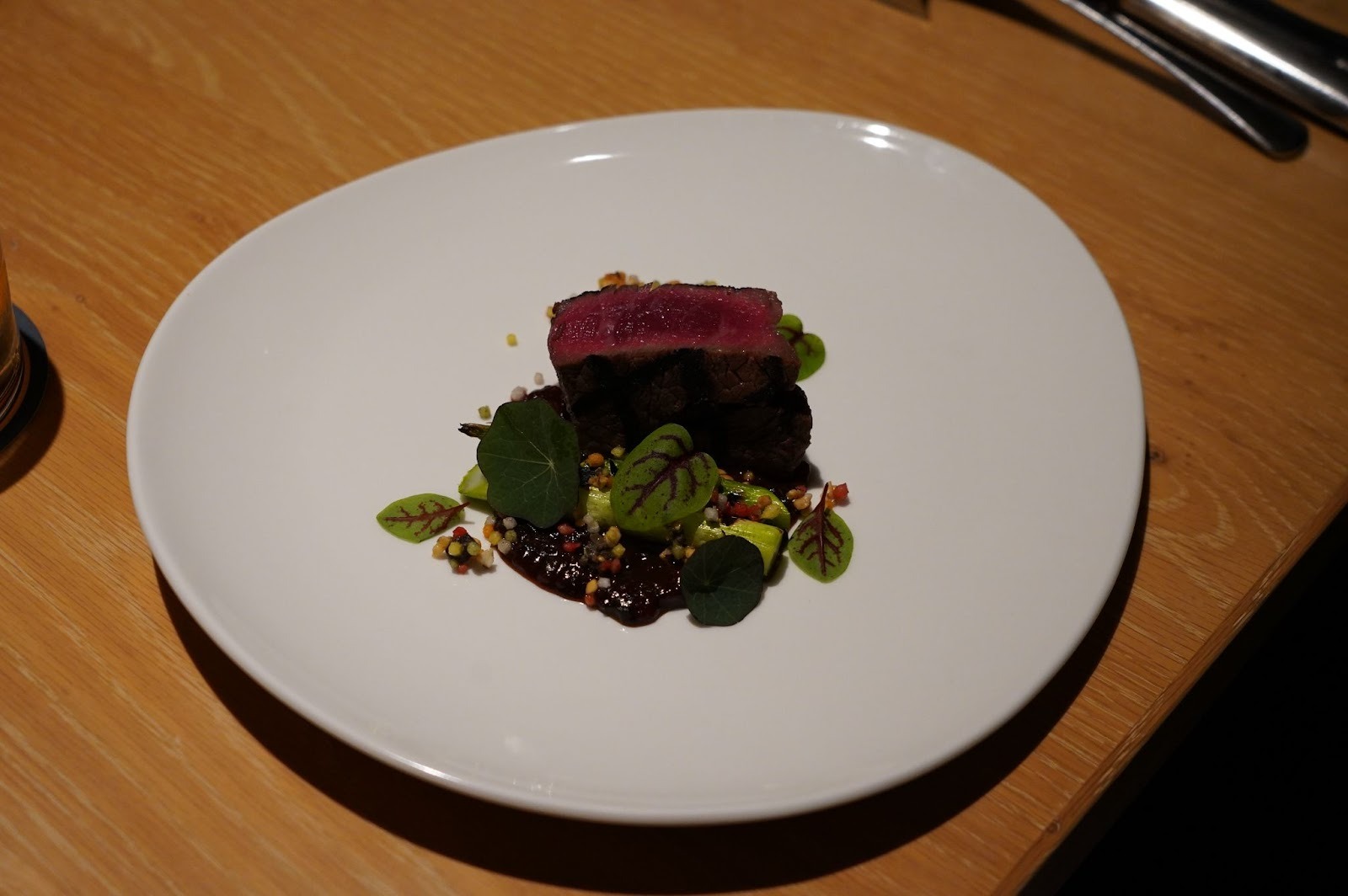
Salt-koji marinated Chita beef fillet with hatcho miso & hishio miso (Mikasagi Kojiya salt-koji)
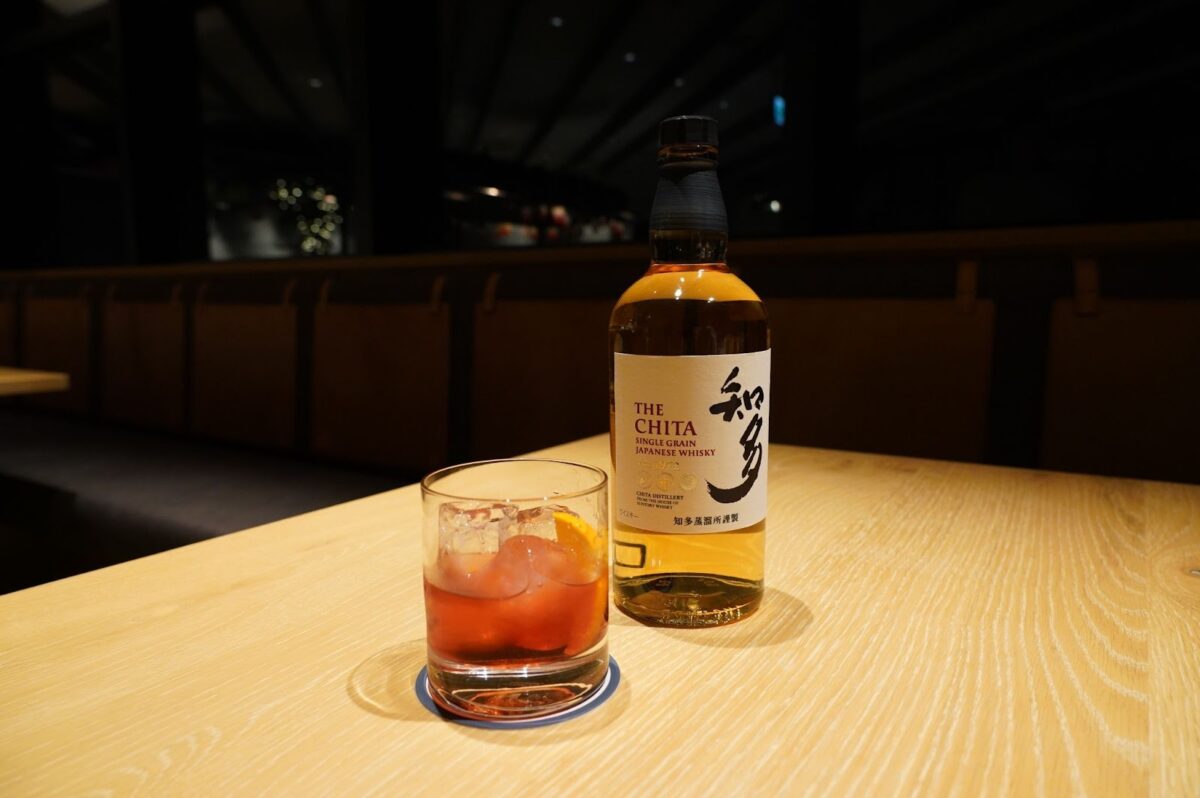
“The Chita” whiskey cocktail
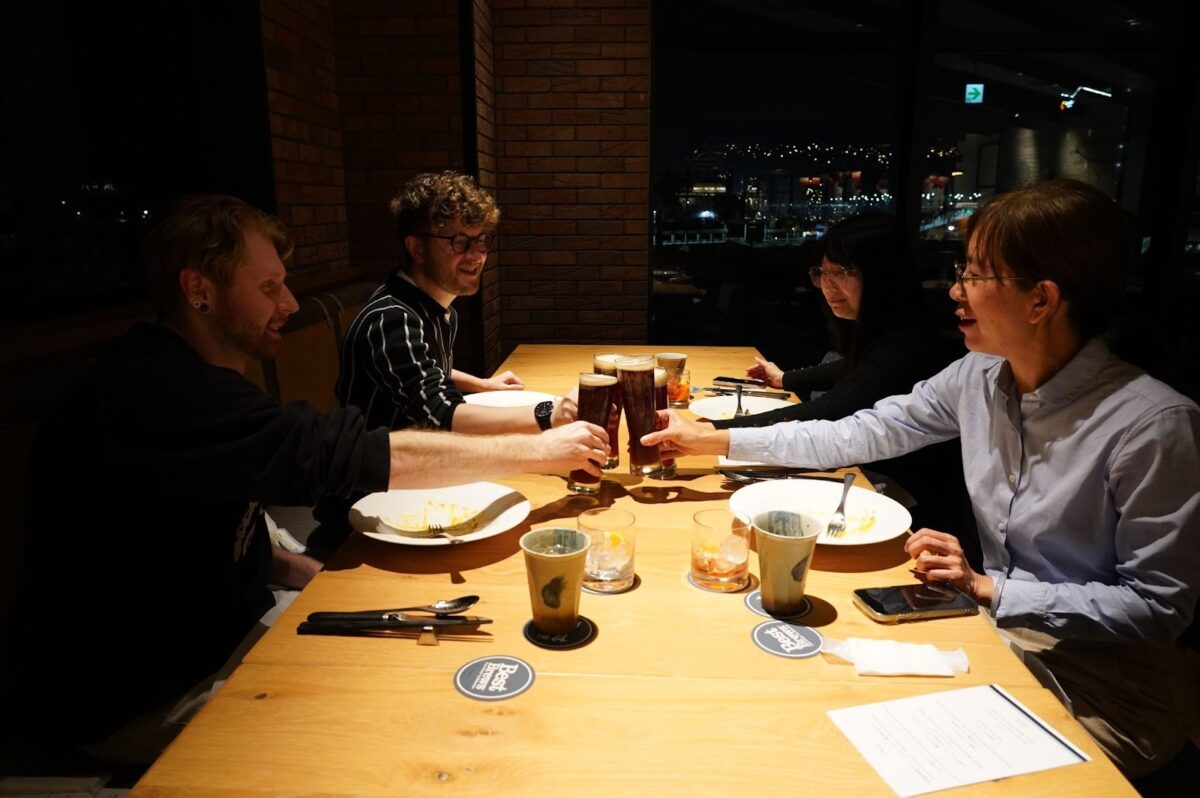
Domestically brewed Miso-infused Beer
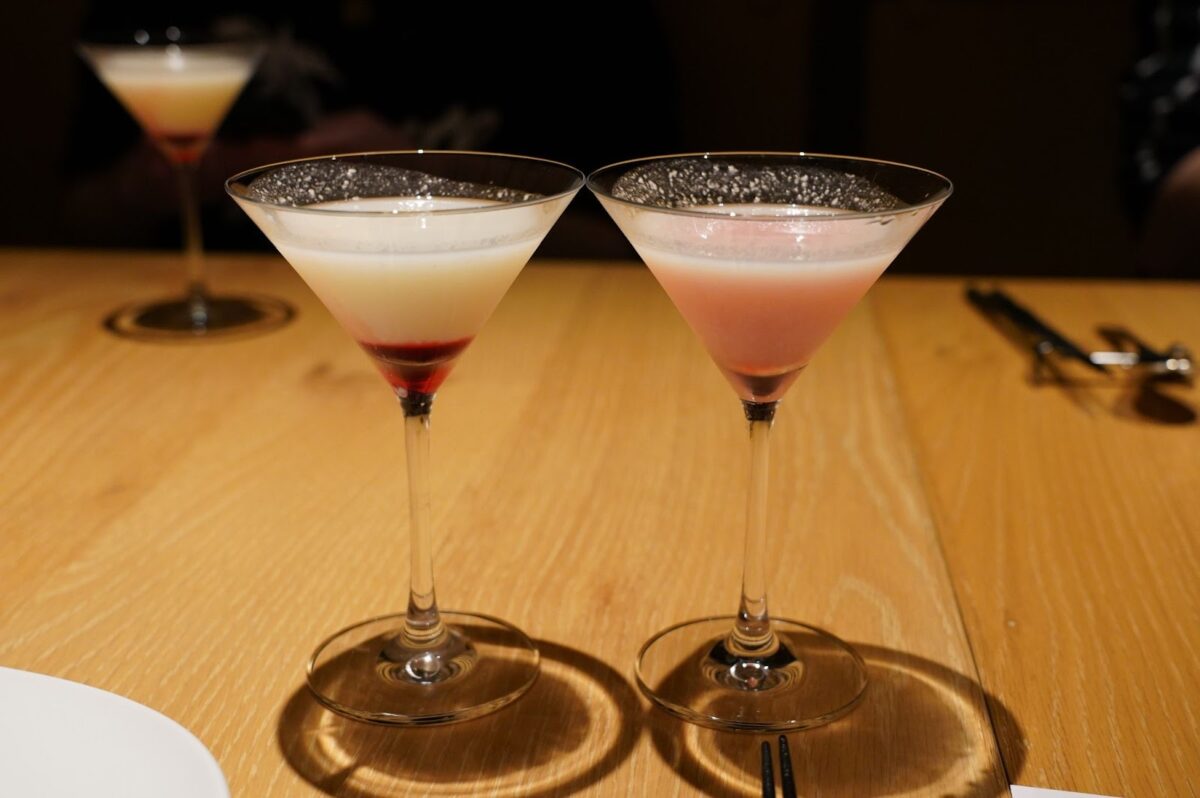
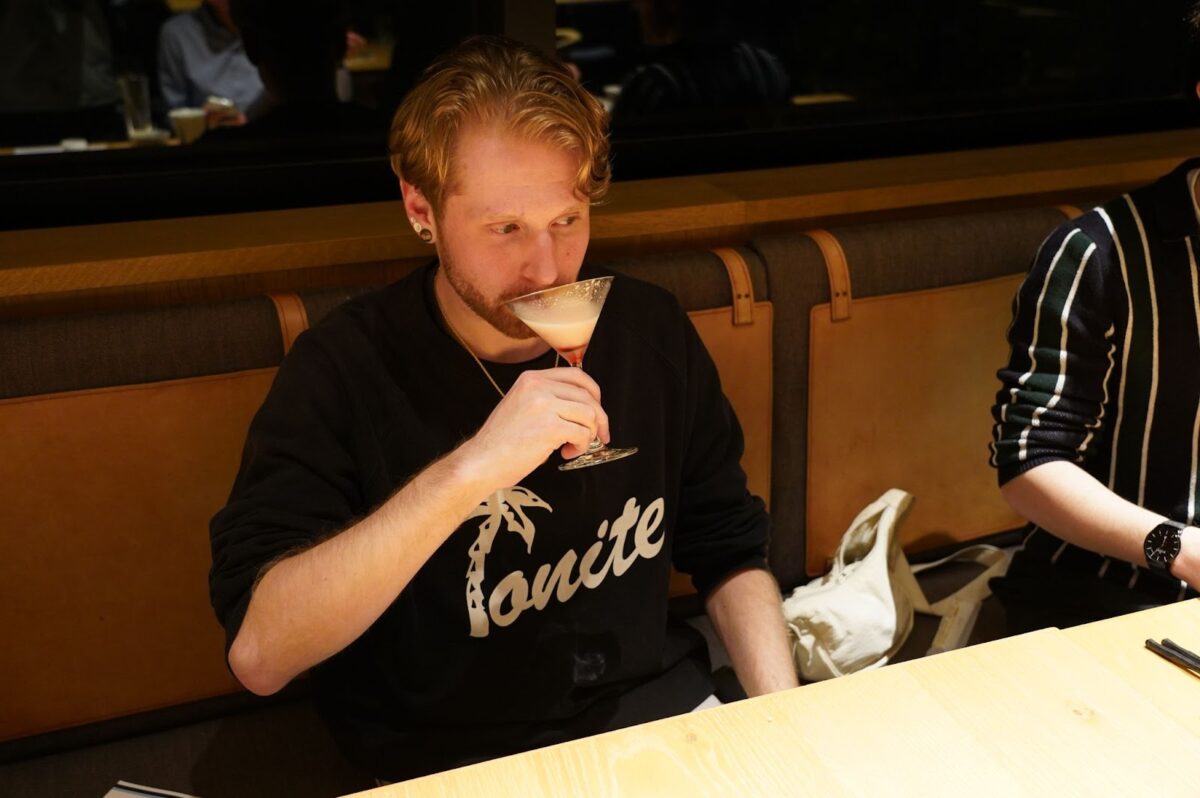
Nigorizake (unfiltered sake) cocktail
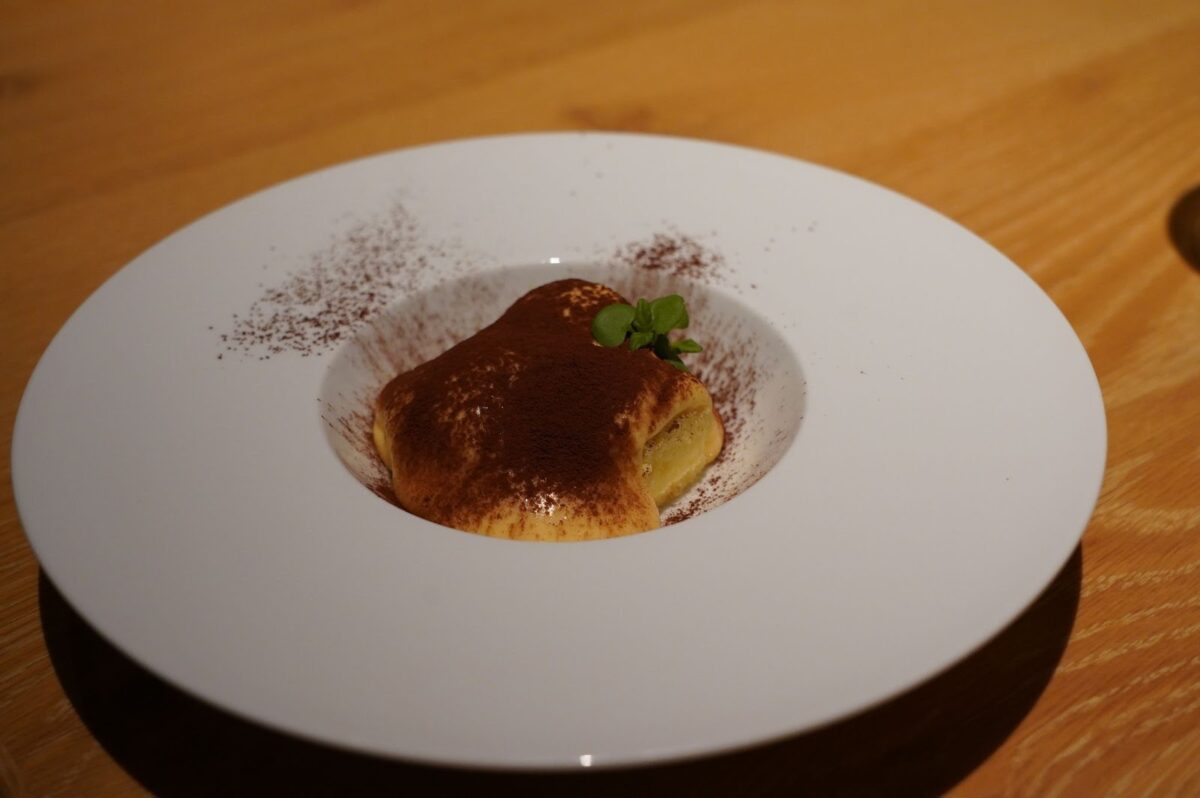
Sake lees tiramisu (Shiraoi aged sake lees)
Pattern Fermentation-Centered Routes
These pattern routes supply a structured method to expertise Aichi’s fermentation tradition, combining meals, historical past, and manufacturing websites. Every itinerary is designed to be achievable inside a day whereas highlighting the variety of fermented meals distinctive to the area.
One-Day Fermentation Route: Departing from Nagoya Metropolis
Morning | 8:30 AM – 11:00 AM | Native Fermented Delicacies
- Focus: Start the day with traditional Nagoya dishes that showcase Aichi’s fermentation heritage.
- Eating/Exercise: Discover a native restaurant specializing in misokatsu (pork cutlet with thick, darkish, umami-rich soybean miso sauce) or kishimen noodles (flat, broad wheat noodles usually served in a miso-based broth).
- Attention-grabbing Factors/What to Do: These on a regular basis meals present an accessible introduction to the daring, umami-forward flavors created by Hatchō Miso, an area number of soybean miso aged for years. Search for eating places close to Nagoya Station or the Ōsu Buying Road for conventional preparation.
Afternoon | 1:00 PM – 4:00 PM | Mizkan Museum (Handa)
- Focus: Discover the historical past of vinegar manufacturing and its function in shaping Japanese meals tradition.
- Exercise: Go to the Mizkan Museum in Handa (a few 30-minute practice experience from Nagoya). The museum requires advance on-line reserving.
- Attention-grabbing Factors/What to Do: Displays join Aichi’s brewing traditions to the rise of Edo-period delicacies, together with sushi, as Mizkan was the primary to efficiently mass-produce vinegar constituted of sake lees appropriate for sushi rice. The museum options interactive shows, a take a look at the historic brewing instruments, and sometimes provides a small tasting of various vinegar based mostly drinks.
Night | 7:00 PM onwards | Dinner at Hanare Ittō in Hekinan metropolis
- Focus: Conclude the day with dinner the place conventional methods and fermented seasonings are integrated into refined Japanese delicacies.
- Eating/Exercise: Expertise a multi-course kaiseki or set menu at Hanare Ittō (or an analogous high-end restaurant targeted on native substances).
- Attention-grabbing Factors/What to Do: The chef makes use of native fermented merchandise like shio kōji (salt fermented rice), varied regional soy sauces, and, after all, miso, usually in shocking and fashionable methods. The meal reinforces how historic fermentation strategies proceed to affect fashionable, elevated eating, offering a complicated distinction to the morning’s hearty dishes. Reservations are extremely really helpful.
One-Day Fermentation Route: Okazaki & Environment
Morning | 9:00 AM – 11:30 AM | Kokonoe Mirin (Hekinan Metropolis)
- Focus: Discover the historical past and conventional manufacturing of Mikawa Mirin.
- Eating/Exercise: Go to the historic Kokonoe brewery, identified for its long-fermented, high-quality mirin.
- Attention-grabbing Factors/What to Do: Touring the ability introduces guests to the normal slow-brewing technique, together with the usage of steamed glutinous rice, rice koji, and shochu, which creates the deep umami and sweetness of Kokonoe Mirin.
Lunch | 12:30 PM – 1:30 PM | Okazaki Kakukyu Hatcho Village Restaurant
- Focus: Expertise dishes centered on domestically produced Hatcho miso.
- Eating/Exercise: Take pleasure in a meal on the on-site restaurant.
- Attention-grabbing Factors/What to Do: Eating right here helps join manufacturing strategies on to taste and on a regular basis use in conventional delicacies.
Afternoon | 2:30 PM – 4:30 PM | Kakukyu Hatcho Miso Conventional BreweryVillage Craft (Okazaki Metropolis)
- Focus: Discover the historical past and manufacturing of Hatchō Miso.
- Eating/Exercise: Go to Kakukyu, one in all Aichi’s most iconic soybean miso producers.
Attention-grabbing Factors/What to Do: Touring the miso storehouses introduces guests to long-term fermentation, stone-weighted vats, and the deep flavors that outline Hatcho miso.
One-Day Fermentation Route: Chita Peninsula
Morning | 9:30 AM – 11:30 AM | Brewing Custom Museum (Taketoyo City)
- Focus: Achieve an outline of the Chita Peninsula’s fermentation historical past.
- Eating/Exercise: Go to the Brewing Custom Museum.
- Attention-grabbing Factors/What to Do: Offers helpful context earlier than visiting lively producers, protecting sake, soy sauce, and miso.
Lunch/Early Afternoon | 12:30 PM – 2:30 PM | Yamashin Soy Sauce Brewery or Sawada Sake Brewery (sake)
- Focus: Select between two distinct koji-based fermentation experiences.
- Eating/Exercise: Go to Yamashin Soy Sauce Brewery or Sawada Sake Brewery
- Attention-grabbing Factors/What to Do: Observe hands-on methods that distinction with bigger heritage producers, emphasizing craftsmanship and direct engagement.
Night | 7:00 PM onwards | Native Eating Influenced by Conventional Methods
- Focus: Finish the route with a meal that includes native fermented seasonings.
- Eating/Exercise: Dinner at an area restaurant rooted within the Chita Peninsula’s brewing traditions.
- Attention-grabbing Factors/What to Do: The meal reinforces how these conventional methods stay a significant a part of on a regular basis regional delicacies. Reservations could also be really helpful relying on the restaurant.
Style the Dwelling Historical past of Nagoya
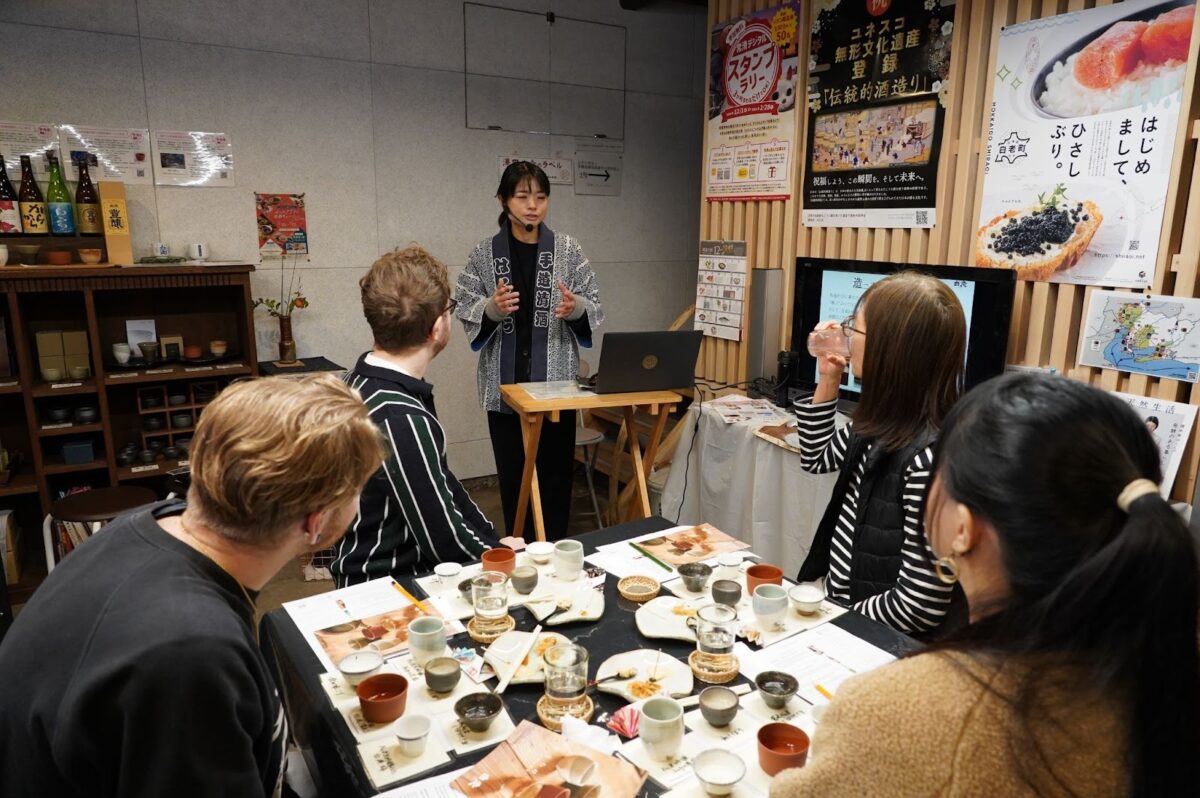
Nagoya rewards vacationers who decelerate and listen. Right here, fermentation will not be a development or a efficiency. It’s a quiet, ongoing dialog between time, microbes, and folks. By tasting, smelling, and assembly those that information these processes, guests come away with greater than good meals. They acquire a felt understanding of why taste, place, and historical past are inseparable in Aichi.
For readers within the deeper historic and cultural forces that formed this meals tradition, Article 1 supplies that background. Collectively, the 2 tales supply a whole image: not simply of what to eat in Nagoya, however why it tastes the best way it does.