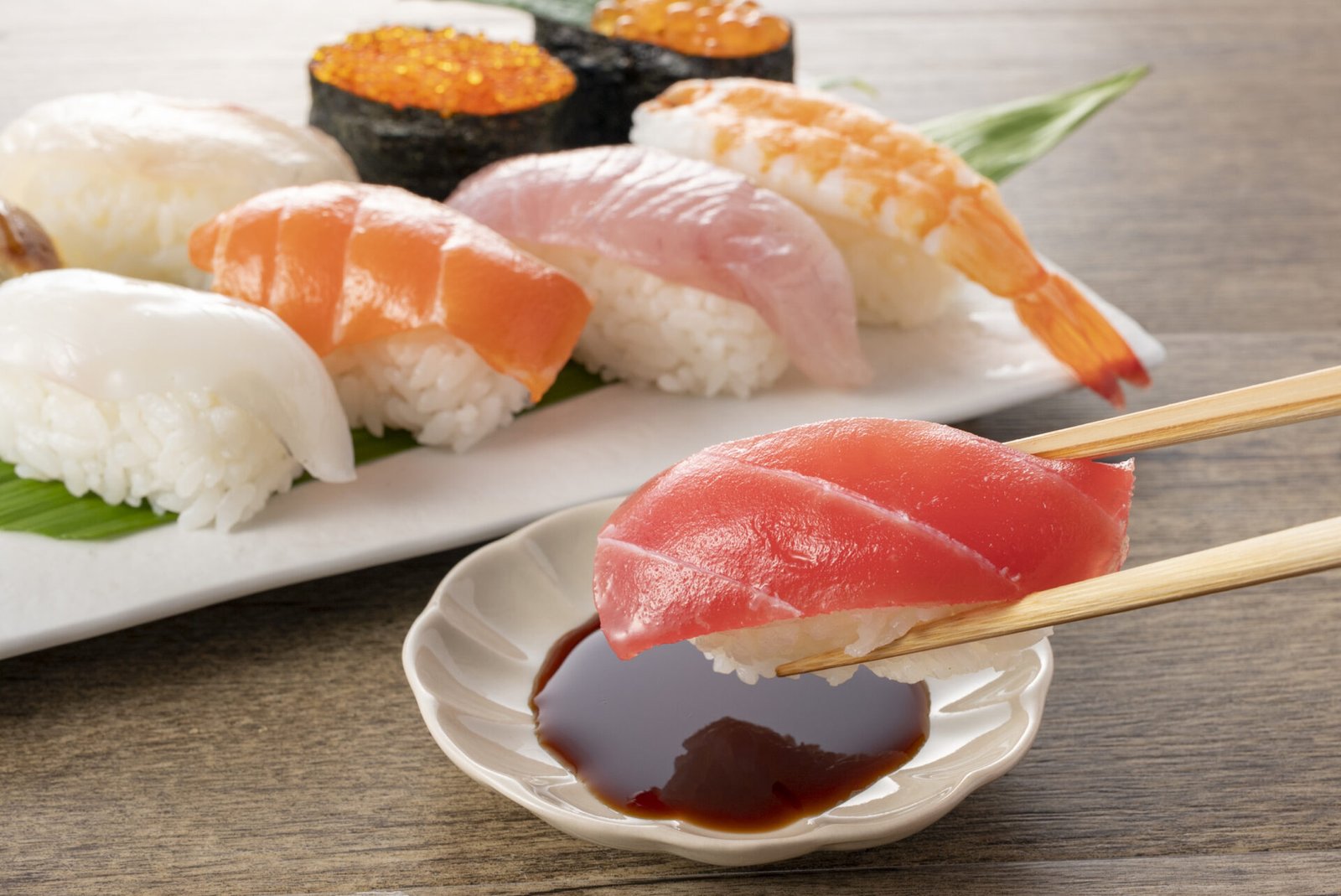

Japanese sushi is likely one of the nation’s most recognizable culinary traditions, combining vinegared rice with substances akin to seafood, greens, and egg. From hand-shaped nigiri and seaweed-wrapped maki rolls to colourful bowls of chirashi, there are lots of varieties of sushi to find in Japan.
However sushi is about greater than uncooked fish. Understanding the completely different kinds, substances, and eating customs can assist you order confidently and revel in a extra rewarding meals expertise throughout your journey.
On this information, you’ll uncover the most typical varieties of Japanese sushi, be taught helpful Japanese menu phrases, learn the way to eat sushi in Japan, and get sensible ideas for selecting what to strive. You’ll additionally be taught how one can expertise Japanese sushi tradition firsthand with a hands-on sushi-making class in Tokyo.
What Is Japanese Sushi?
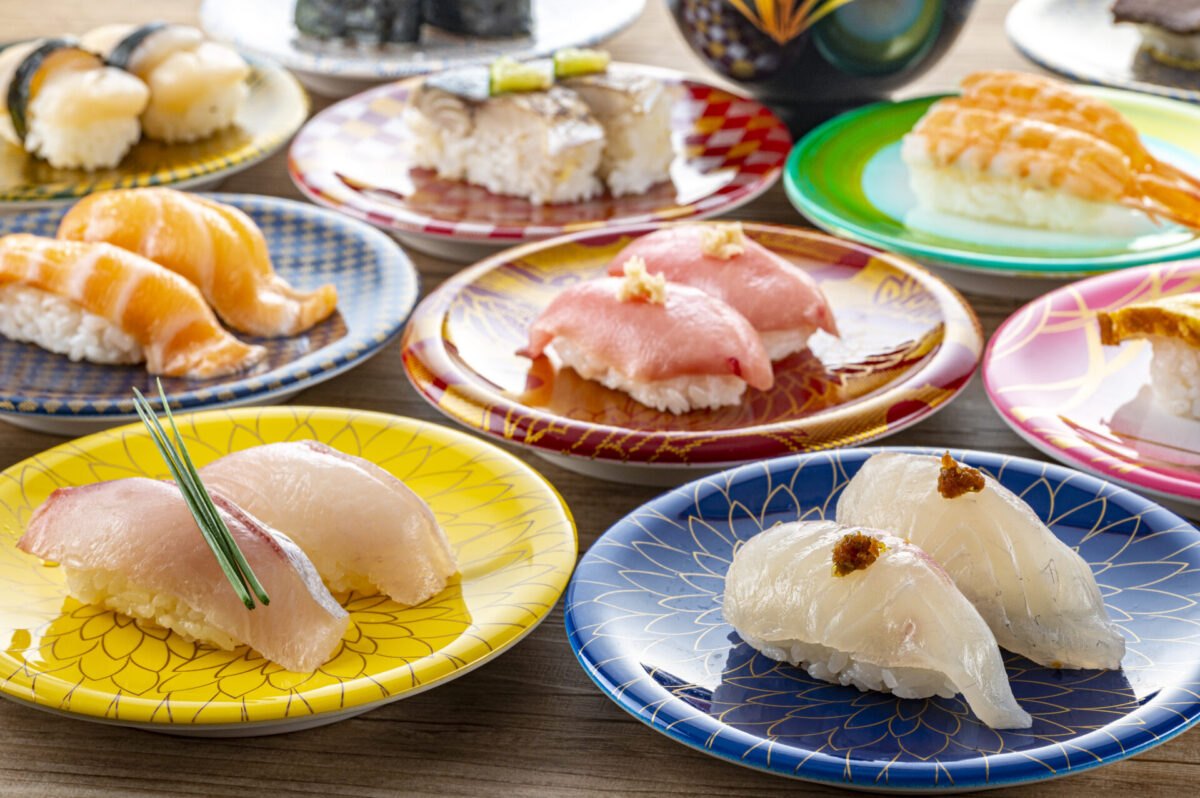
Japanese sushi is a dish made with specifically seasoned rice, usually ready with rice vinegar, sugar, and salt. The rice, often called shari, is mixed with substances akin to fish, seafood, greens, or egg to create completely different sushi kinds.
Though uncooked fish is often related to sushi, it’s not important. Many sorts function cooked seafood, grilled substances, greens, or Japanese omelet.
What distinguishes sushi is primarily the seasoned rice, reasonably than whether or not the topping is uncooked or cooked.
A Transient Historical past of Sushi in Japan
The historical past of sushi stretches again centuries. Early types of sushi developed from strategies of preserving fish by way of fermentation, by which rice helped the preservation course of. These preparations have been fairly completely different from the sushi generally served in eating places at present.
Over time, Japanese cooks developed kinds that made the rice an necessary a part of the dish reasonably than merely a method of preserving fish. The usage of vinegar-seasoned rice helped create a sooner preparation technique and contributed to the event of contemporary sushi.
Throughout the Edo interval (1603–1868), a mode of hand-shaped sushi related to Edo, present-day Tokyo, grew to become well-liked. This type is intently associated to what we now know as nigiri sushi. It might be ready and served comparatively rapidly, making it appropriate for the busy city meals tradition of the time.
Right now, sushi ranges from informal meals at conveyor-belt eating places to fastidiously ready programs at specialist sushi counters. Whereas strategies and substances proceed to evolve, the steadiness of rice, toppings, seasoning, and craftsmanship stays central to the expertise.
What Are the Essential Elements in Sushi?
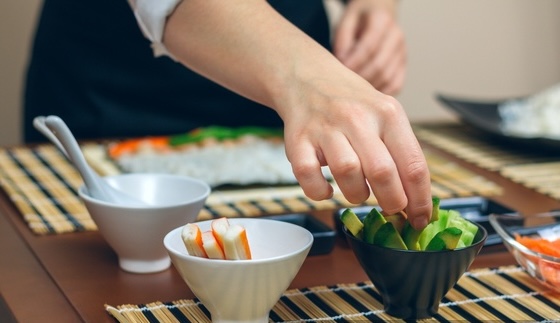
Understanding a number of fundamental substances will assist you acknowledge completely different sushi kinds and recognize how they’re ready.
- Shari (シャリ): Vinegar-seasoned sushi rice. Its seasoning and texture play an necessary position within the general taste.
- Neta (ネタ): The ingredient positioned on prime of nigiri, typically fish or seafood, however generally egg or one other topping.
- Nori (海苔): Dried seaweed used to wrap sushi rolls and another preparations.
- Shoyu (醤油): Japanese soy sauce, generally served as a condiment.
- Wasabi (わさび): A pungent Japanese condiment that could be served individually or added throughout preparation.
- Gari (ガリ): Thinly sliced pickled ginger, typically served alongside sushi.
- Tamago (卵): Egg, generally ready as a Japanese omelet and used as a sushi topping.
The substances and seasonings fluctuate in keeping with the type of sushi and the restaurant. Some cooks season particular person items earlier than serving them, whereas others present soy sauce and condiments for diners to make use of themselves.
7 Widespread Kinds of Japanese Sushi You Ought to Strive
There are a number of distinct varieties of sushi in Japan, every with its personal form, substances, and preparation technique. Figuring out the variations can assist you resolve what to order.
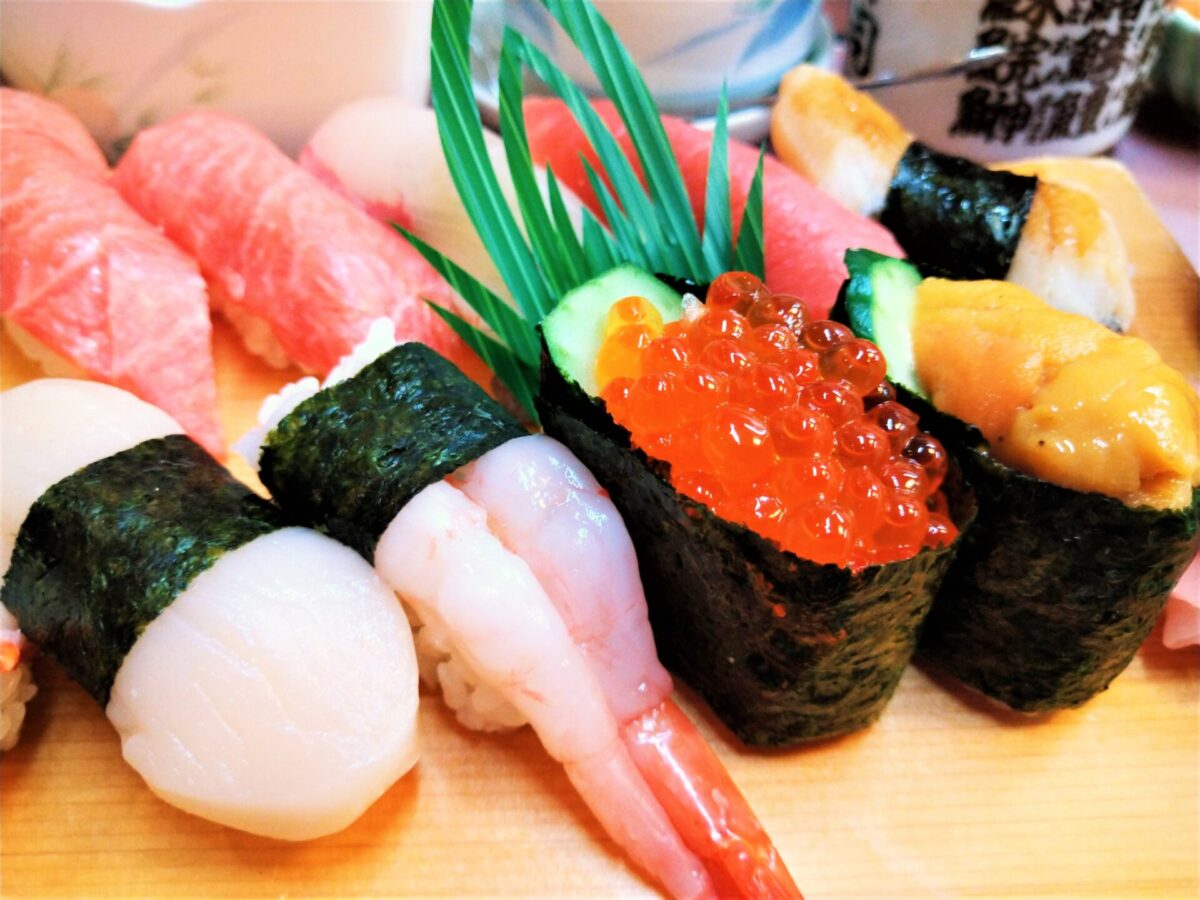
| Sushi kind | Japanese title | What it’s | Finest for |
| 1. Nigiri | Nigirizushi | Hand-shaped rice topped with an ingredient | Making an attempt particular person fish and seafood toppings |
| 2. Rolled sushi | Makizushi | Rice and fillings rolled in nori | Exploring completely different mixtures of substances |
| 3. Hand rolls | Temaki | Cone-shaped nori stuffed with rice and different substances | An off-the-cuff, handheld meal |
| 4. Inside-out rolls | Uramaki | Rolls with rice on the surface and nori inside | Making an attempt trendy sushi-roll variations |
| 5. Scattered sushi | Chirashizushi | Sushi rice served with assorted toppings | Having fun with a wide range of substances in a single bowl |
| 6. Inari sushi | Inarizushi | Sushi rice inside a seasoned fried tofu pouch | Making an attempt a sweet-savory, typically meat-free sushi type |
| 7. Pressed sushi | Oshizushi | Sushi formed by urgent rice and toppings collectively | Discovering regional sushi traditions |
Sashimi is one other well-liked Japanese dish, however it’s not a sort of sushi as a result of it’s served with out sushi rice.
1. Nigiri Sushi (握り寿司)
Nigiri sushi consists of a small mound of vinegared rice topped with an ingredient akin to fish, seafood, or egg. The topping is usually uncooked, however cooked and seared varieties are additionally widespread.
Common toppings embody tuna (maguro), salmon (sake), yellowtail (hamachi), shrimp (ebi), and Japanese omelet (tamago).
Nigiri is an effective selection if you wish to recognize the person taste and texture of every ingredient. At some sushi eating places, the chef prepares every bit to order and provides wasabi, sauce, or seasoning earlier than serving it.
What must you strive? Begin with a well-known topping akin to tuna or salmon, then discover a white-fleshed fish, cooked shrimp, or one other seasonal suggestion.
If you wish to be taught extra about particular person toppings, learn our information to 10 varieties of nigiri sushi to strive in Japan.
2. Maki Sushi (巻き寿司)
Maki sushi is made by rolling sushi rice and fillings collectively, normally utilizing a sheet of nori. The roll is then sliced into particular person items.
Widespread fillings embody cucumber, tuna, salmon, shrimp, and different seafood. Some rolls comprise a number of substances, whereas less complicated varieties concentrate on one primary filling.
Maki is broadly out there in informal sushi eating places, supermarkets, and takeaway outlets in Japan.
What must you strive? Cucumber rolls are a easy choice, whereas tuna rolls supply a well-known seafood taste. Take a look at the substances listed on the menu in case you have specific preferences or dietary restrictions.
3. Temaki Sushi (手巻き寿司)
Temaki is a hand-rolled type of sushi formed like a cone. Nori is stuffed with rice and substances akin to fish, greens, or seafood, making a handheld portion.
Not like many maki rolls, temaki is normally supposed to be eaten quickly after preparation in order that the seaweed stays crisp.
Temaki is well-liked in informal eating settings and at dwelling, the place diners can assemble their very own mixtures of rice, fillings, and condiments.
What must you strive? Select a filling you take pleasure in, akin to tuna, salmon, or greens. For those who’re consuming temaki at a restaurant, eat it quickly after it’s served to benefit from the distinction between crisp nori and the filling.
4. Uramaki Sushi (裏巻き寿司)
Uramaki is an inside-out roll by which the rice is on the surface and the nori is inside, surrounding the fillings.
This type is related to many trendy sushi-roll variations, together with rolls topped with sesame seeds or different substances. Some acquainted worldwide sushi creations use the uramaki format.
Uramaki shouldn’t be the one type you’ll encounter in Japan, and its availability varies by restaurant. Conventional sushi counters could focus extra on nigiri and less complicated rolls, whereas informal institutions could supply a wider choice.
What must you strive? For those who take pleasure in mixtures of various textures and flavors, select a roll with substances that attraction to you. Examine the menu fastidiously, as sauces and extra toppings can fluctuate significantly.
5. Chirashi Sushi (ちらし寿司)
Chirashi sushi consists of sushi rice served in a bowl or container with a collection of toppings organized over it. These could embody fish, seafood, egg, and greens.
The title chirashi pertains to scattering or spreading substances, reflecting the type of presentation.
Not like nigiri, the place every topping is served on a person piece of rice, chirashi brings a number of substances collectively in a single serving. This makes it a handy choice if you wish to take pleasure in a wide range of flavors in a single meal.
There are regional and restaurant-specific variations, together with variations within the substances, association, and seasoning.
What must you strive? Chirashi is price contemplating in case you take pleasure in selection and need a meal that features a number of completely different toppings. Ask concerning the substances in case you have allergy symptoms or favor to keep away from uncooked seafood.
6. Inari Sushi (稲荷寿司)
Inari sushi consists of sushi rice positioned inside a pouch of seasoned fried tofu often called aburaage. The tofu is often simmered in a sweet-savory seasoning, giving it a particular taste.
Not like many sushi varieties, inari doesn’t require a fish topping. It’s typically out there at takeaway outlets, supermarkets, and informal eating places.
Inari could be a helpful choice for diners preferring to not eat uncooked fish, though the precise substances and preparation ought to at all times be checked in case you observe a particular weight loss program.
What must you strive? For those who take pleasure in sweet-savory flavors, inari gives a special expertise from seafood-based sushi. Do not forget that the tofu is seasoned and that recipes could comprise extra substances.
7. Oshizushi (押し寿司)
Oshizushi is pressed sushi made by putting rice and toppings right into a mildew and urgent them collectively to kind a compact form. It’s then lower into particular person parts.
This preparation is related to regional sushi traditions in Japan. One well-known instance is battera, a pressed sushi type generally related to Osaka and infrequently made with mackerel.
Oshizushi differs from nigiri as a result of the rice and topping are formed collectively by way of urgent reasonably than by hand-forming particular person items.
What must you strive? For those who encounter oshizushi whereas touring in Japan, contemplate attempting a regional model. The substances and taste can fluctuate relying on the place it’s made.
Is Sashimi a Sort of Sushi?
No. Sashimi is a separate Japanese dish consisting of fastidiously sliced seafood or different historically ready substances served with out sushi rice.
Sushi, in contrast, makes use of vinegared rice as a defining part. Some sushi incorporates uncooked fish, however sushi can even embody cooked seafood, egg, greens, and different substances.
Understanding this distinction will assist you navigate Japanese menus and acknowledge what you might be ordering.
Common Sushi Toppings to Strive in Japan
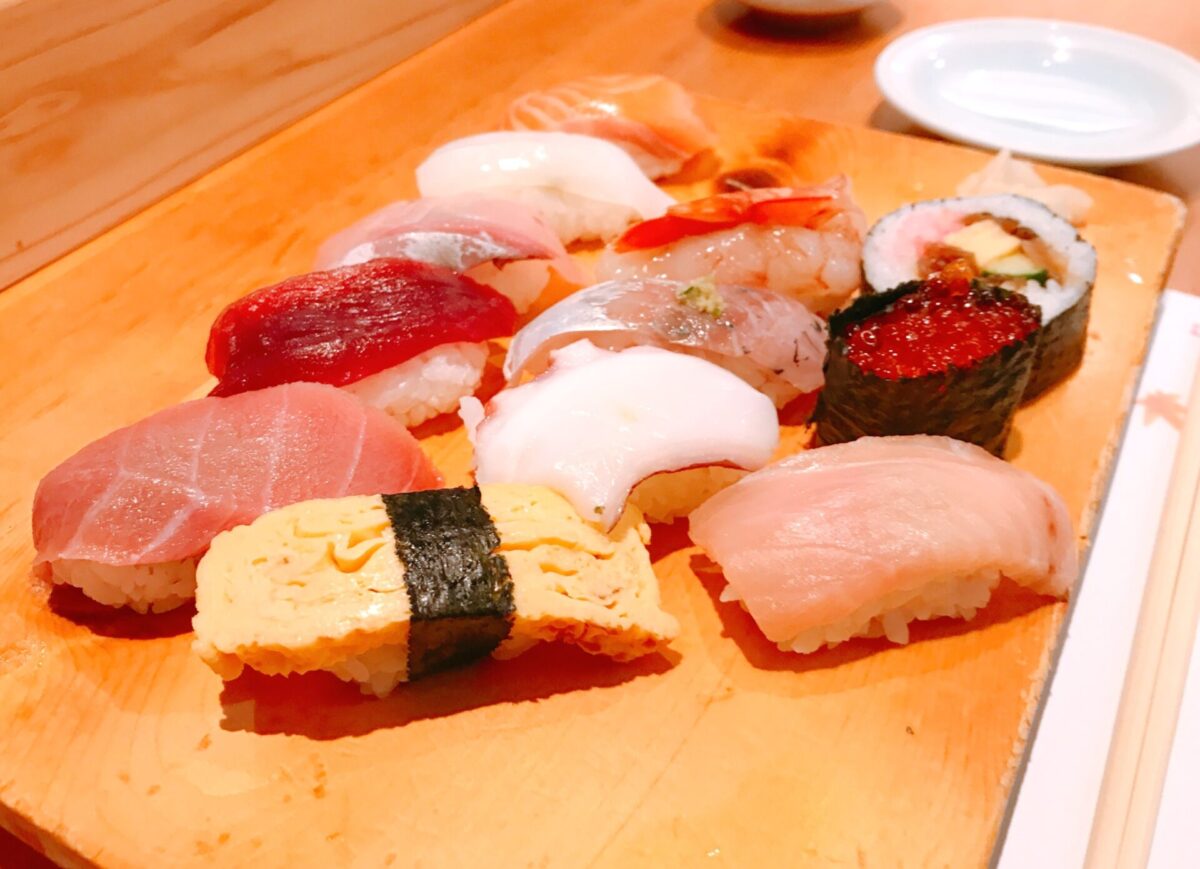
When you perceive the primary sushi kinds, you can begin exploring the substances themselves. Sushi eating places in Japan supply all kinds of fish, seafood, and different toppings, with availability relying on the restaurant, area, and season.
Listed below are some helpful Japanese names to acknowledge.
Tuna (Maguro)
Tuna is a traditional sushi ingredient with a taste and texture that modify relying on the lower. Lean tuna, often called akami, has a clear, savory taste, whereas fattier cuts akin to chūtoro and ōtoro have a richer texture.
For those who take pleasure in tuna, attempting multiple lower can assist you perceive the variations in taste and richness.
Salmon (Sake)
Salmon is understood for its orange coloration, delicate texture, and wealthy taste. It’s generally served uncooked as nigiri or utilized in sushi rolls, though cooked and seared variations are additionally out there.
Salmon could be a helpful place to begin in case you already take pleasure in its taste.
Yellowtail (Hamachi and Buri)
Yellowtail is usually offered as hamachi or buri in Japan, with the names generally related to completely different development levels of Japanese yellowtail.
Hamachi is usually tender and wealthy, whereas seasonal buri can have a very fatty texture. Buri is historically related to winter, though availability and high quality rely upon the fish and supply.
Shrimp (Ebi) and Candy Shrimp (Amaebi)
Ebi refers to shrimp usually and is often served cooked as sushi. Amaebi, or candy shrimp, is often served uncooked and has a softer texture and sweeter taste.
These are completely different preparations, so test the menu in case you have a choice.
Eel (Anago and Unagi)
Anago is conger eel, whereas unagi is freshwater eel. Each are well-liked in Japanese delicacies, however their preparation and taste differ.
Anago is usually cooked till tender and served with a fragile sweet-savory sauce. Unagi is often grilled and glazed with a richer sauce.
Each are helpful choices in case you favor cooked seafood.
Egg (Tamago)
Tamago is Japanese omelet, generally ready with eggs and seasonings that may embody sugar. It’s cooked and infrequently served as nigiri or utilized in different sushi preparations.
Its gentle, barely candy taste gives a distinction to seafood toppings.
Squid (Ika) and Octopus (Tako)
Ika refers to squid, which is usually served uncooked and has a light taste with a barely chewy texture. Tako refers to octopus, which is often cooked earlier than being served as sushi.
Each are price attempting if you wish to discover seafood past tuna and salmon.
Tip: For those who’re uncertain what to order, ask the chef or restaurant workers what’s beneficial that day. This can be a sensible solution to uncover substances that could be seasonal or particular to the restaurant.
Methods to Eat Sushi in Japan: Important Etiquette
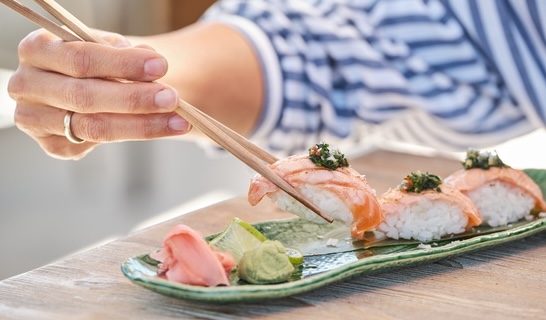
Sushi etiquette in Japan is usually less complicated than guests count on. Customs can fluctuate relying on the restaurant, and there’s no must memorize a protracted listing of inflexible guidelines. Just a few sensible tips will assist you really feel extra comfy.
1. Can You Eat Nigiri With Your Palms?
Sure. Each fingers and chopsticks are acceptable methods to eat nigiri. Use whichever feels comfy, and observe the restaurant’s type in case you’re uncertain.
Maki and plenty of different sushi varieties are additionally straightforward to eat with chopsticks or your fingers, relying on how they’re served.
2. How Ought to You Use Soy Sauce?
If soy sauce is supplied, use a small quantity reasonably than soaking the sushi. When potential, frivolously dip the topping facet of nigiri to keep away from saturating the rice.
Some cooks season nigiri with soy-based sauce, salt, or different condiments earlier than serving it. If a bit already has seasoning, extra soy sauce will not be needed.
At a sushi counter, you possibly can ask the chef whether or not a bit must be eaten as served.
3. Ought to You Eat Sushi in One Chew?
Nigiri is usually formed to be eaten in a single chunk, however portion sizes fluctuate. Eat at a snug tempo reasonably than forcing your self to complete a bit that’s too massive.
Maki and different sushi kinds could also be served in numerous sizes, so use widespread sense reasonably than treating one-bite consuming as an absolute rule.
4. What Is Pickled Ginger For?
Pickled ginger, often called gari, is often served alongside sushi. It may be eaten between completely different items to refresh your palate.
It’s normally loved individually reasonably than positioned on prime of each piece of sushi. How a lot you eat is a matter of private choice.
5. Ought to You Add Wasabi to Each Piece?
Not essentially. Wasabi could already be included between the rice and topping, relying on the restaurant and magnificence of service.
For those who favor roughly wasabi, you possibly can ask for an adjustment. If the chef has already seasoned a bit, strive it as served earlier than including anything.
6. Is It Impolite to Depart Meals on Your Plate?
It’s greatest to order an quantity you count on to take pleasure in and keep away from pointless meals waste. Nevertheless, in case you can not end a dish, you shouldn’t really feel pressured to eat past your consolation.
At specialist sushi counters, parts and ordering kinds could differ from informal eating places. For those who’re uncertain tips on how to order, ask the workers for steerage.
7. Is Sushi Etiquette Completely different at a Sushi Counter?
A standard sushi counter can contain extra direct interplay with the chef, who could put together items individually and serve them in a beneficial order.
Take note of the chef’s directions and keep away from touching the serving space or substances with out permission. In informal sushi eating places, the expertise is normally extra casual.
An important ideas are to be thoughtful, observe the restaurant’s steerage, and benefit from the meals.
Methods to Get pleasure from Sushi in Japan
Exploring sushi in Japan is about greater than discovering completely different substances. From informal conveyor-belt eating places to conventional sushi counters, every setting gives a special solution to expertise Japanese meals tradition.
For those who’re new to sushi, begin with acquainted substances akin to tuna, salmon, or cooked shrimp, and ask restaurant workers about seasonal suggestions. Do not forget that sushi shouldn’t be at all times uncooked, and in case you have dietary restrictions or meals allergy symptoms, verify the substances and preparation earlier than ordering.
For a extra hands-on expertise, you too can learn the way sushi is ready by becoming a member of a sushi-making class in Tokyo.
Why Making Sushi Your self Is a Memorable Cultural Expertise in Tokyo
Tasting sushi is one solution to uncover Japanese delicacies, however studying tips on how to make it gives a special perspective. A hands-on sushi-making expertise permits you to discover the substances, strategies, and traditions behind this iconic Japanese dish.
Be taught Instantly from a Skilled Sushi Chef
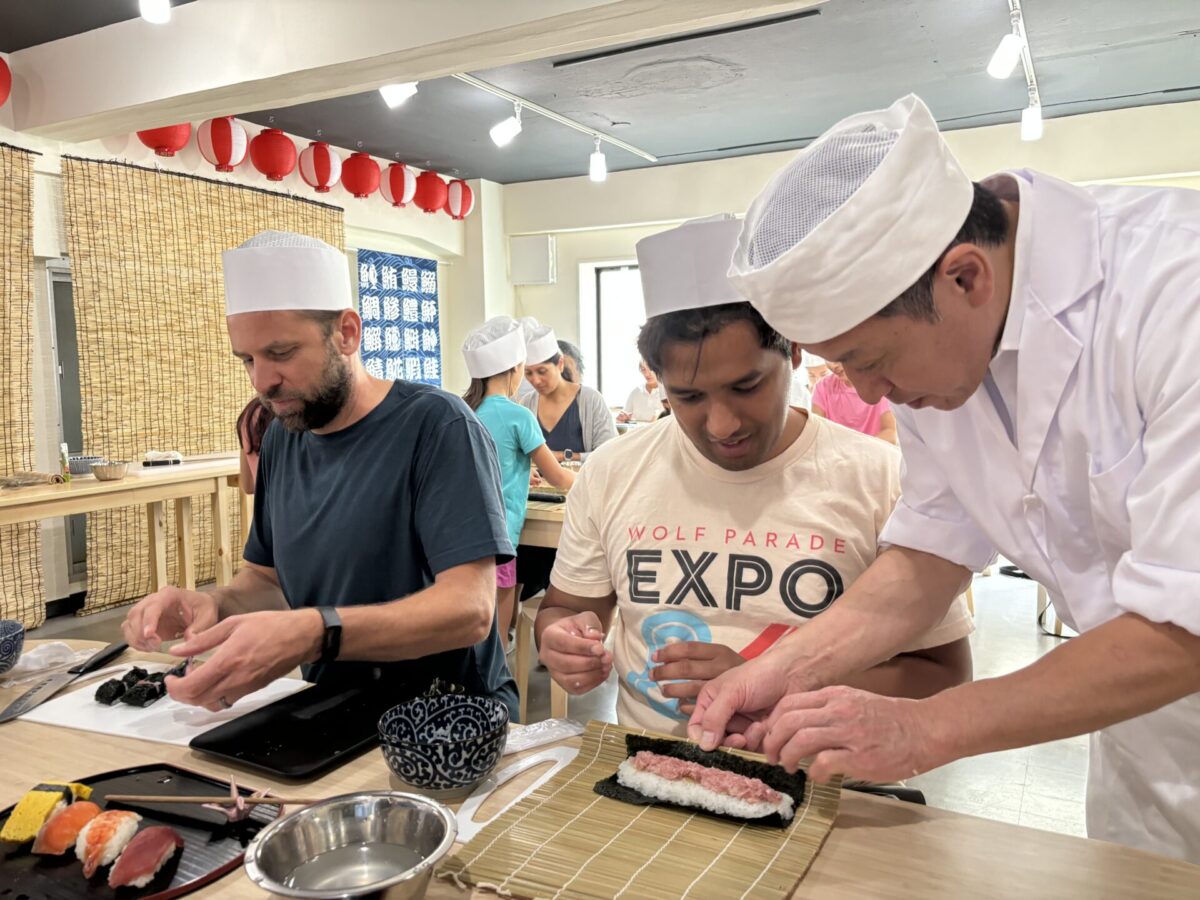
Making sushi entails greater than putting fish on rice. Getting ready the rice, shaping nigiri, and assembling rolls all require consideration to substances, texture, and approach.
Throughout a guided sushi-making class, you possibly can be taught the fundamentals of making ready nigiri and rolled sushi whereas gaining a greater understanding of how these acquainted dishes are made.
A Enjoyable, Palms-On Exercise for Households and Teams
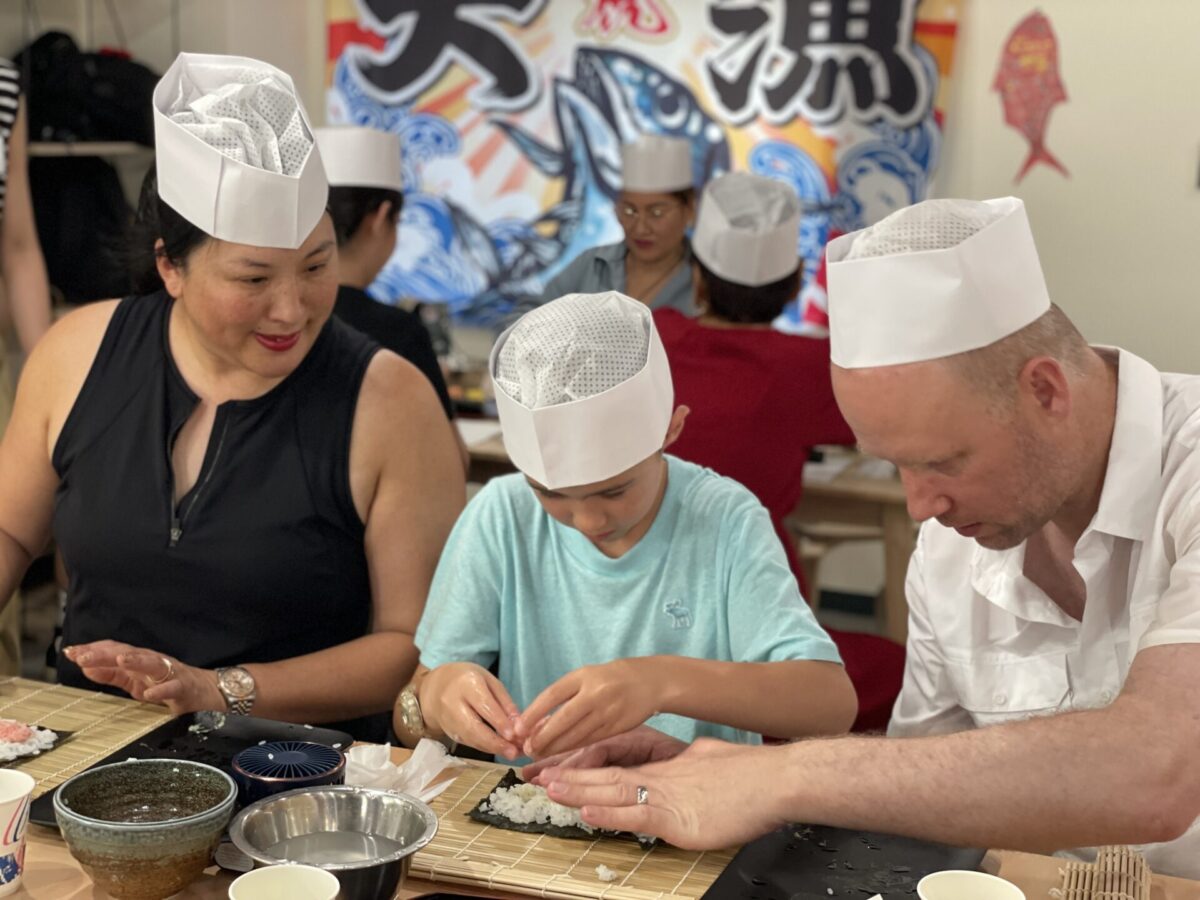
A sushi-making workshop could be a memorable addition to a Tokyo itinerary for vacationers who take pleasure in meals and cultural actions. This family-friendly expertise offers individuals the prospect to apply sushi-making strategies themselves reasonably than merely watching another person put together sushi.
With English-language help, worldwide guests can observe the directions and be taught extra about Japanese meals tradition. Households touring with little ones can even plan forward: infants below 2 years previous can take part freed from cost. Examine the reserving web page for present age necessities and suitability for kids earlier than making a reservation.
Be a part of Our Sushi-Making Class in Tsukiji, Tokyo
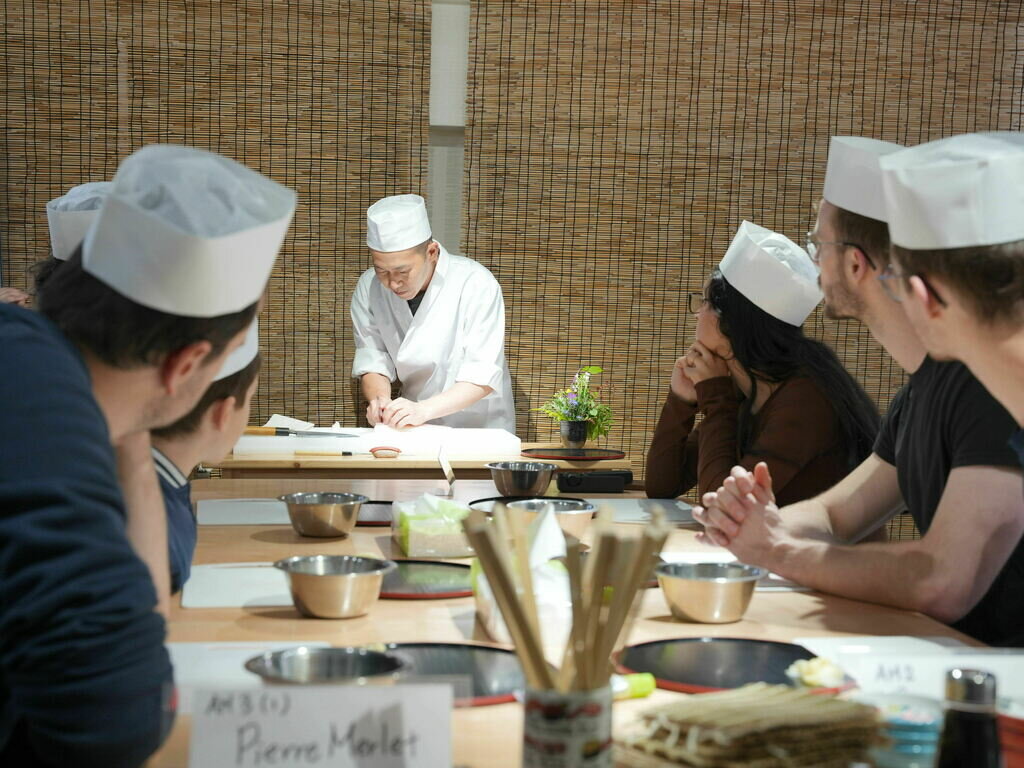
Able to transcend tasting sushi and take a look at making it your self? Japan Surprise Journey gives a hands-on sushi-making class in Tokyo, the place knowledgeable sushi chef teaches individuals tips on how to put together two well-liked kinds of Japanese sushi: nigiri and rolled sushi.
An English-speaking information assists all through the category, serving to you observe the method and be taught extra concerning the strategies and cultural traditions behind Japanese sushi.
Tokyo Sushi Making Class in Tsukiji with Professional Sushi Grasp
Be a part of our Tokyo sushi making class for an genuine expertise with a professional sushi grasp! Use contemporary substances from Tsukij…
What You Will Expertise within the Sushi-Making Class
Throughout the workshop, you should have the chance to:
- Uncover sushi substances and strategies. Be taught concerning the substances utilized in sushi and the essential ideas behind its preparation.
- Observe making nigiri and rolled sushi. Observe the skilled chef’s steerage as you learn to form sushi rice and assemble your individual items.
- Get pleasure from a hands-on culinary expertise. Put what you’ve realized into apply and expertise the satisfaction of creating sushi your self.
- Be taught with English-language help. An English-speaking information helps you perceive the directions all through the category.
Tokyo Sushi-Making Class : Particulars at a Look
- Location: Tsukiji, Tokyo
- Begin time : 10:00 AM session or 1:00 PM session
- Length : 1.5 Hours
- Expertise: Palms-on Japanese sushi-making workshop class
- What you’ll be taught: Nigiri sushi and rolled sushi
- Instruction: Skilled sushi chef
- Language help: English-speaking information
- Vegetarian & Gluten-Free Choices Accessible*
*For those who require vegetarian or gluten-free choices, please tell us not less than 3 days earlier than your class so we are able to evaluation your request upfront.
Planning to discover the neighborhood too? Our Tsukiji Fish Market information covers the space and different methods to expertise its meals tradition.
Incessantly Requested Questions About Japanese Sushi and Sushi-Making Lessons
-
Q
Is the sushi-making class appropriate for full novices?
-
A
The category introduces individuals to creating nigiri and rolled sushi with steerage from knowledgeable chef, making it related to vacationers all for studying the fundamentals. Examine the reserving web page for any stipulations or age restrictions earlier than reserving.
-
Q
Can kids take part within the sushi-making class?
-
A
Sure, kids aged 3 and older can be a part of the category, though youthful kids could discover the hands-on actions difficult.
- Infants (below 2): Freed from cost.
- Youngsters (ages 3–12): Participation begins at age 3
- Adults (ages 13+): Commonplace grownup class.
-
Q
Can the Sushi-Making Class Accommodate Meals Allergic reactions?
-
A
We’ll do our greatest to accommodate meals allergy-related requests, however it might not at all times be potential to satisfy each requirement. Please inform us of any allergy symptoms not less than 3 days upfront so we are able to focus on your wants earlier than the category.
-
Q
Are Vegetarian, Vegan, or Gluten-Free Choices Accessible?
-
A
For those who require vegetarian, vegan, or gluten-free choices, please inform us at 3 days earlier than the category. We’ll evaluation your request and allow you to know what preparations could also be potential.
-
Q
How far upfront ought to I ebook the Tokyo sushi-making class?
-
A
Reserving availability varies by date and session. Examine the official reserving web page as quickly as your journey dates are recognized, notably in case you have restricted flexibility. Make your reservation upfront when potential, and ensure the reserving phrases earlier than paying.